
16 teams converge for bike polo in Bloomington at Hoosier Tenderloin Classic tournament
Bloomington’s Frank Southern Ice Arena traded ice for bicycles as the Hoosier Tenderloin Classic bike polo tournament returned for its second year. Hosted by Bloomington's Bike Polo Club, the event drew 16 teams and riders from across the Midwest and South for two days of fast-paced competition.
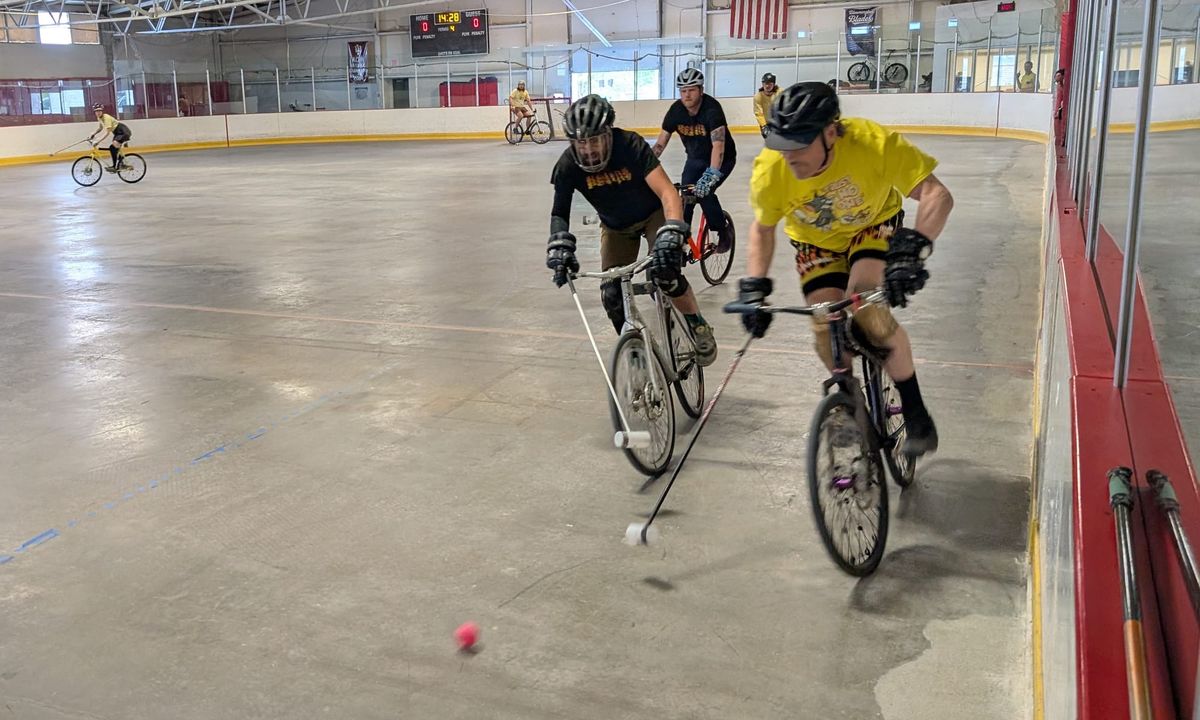
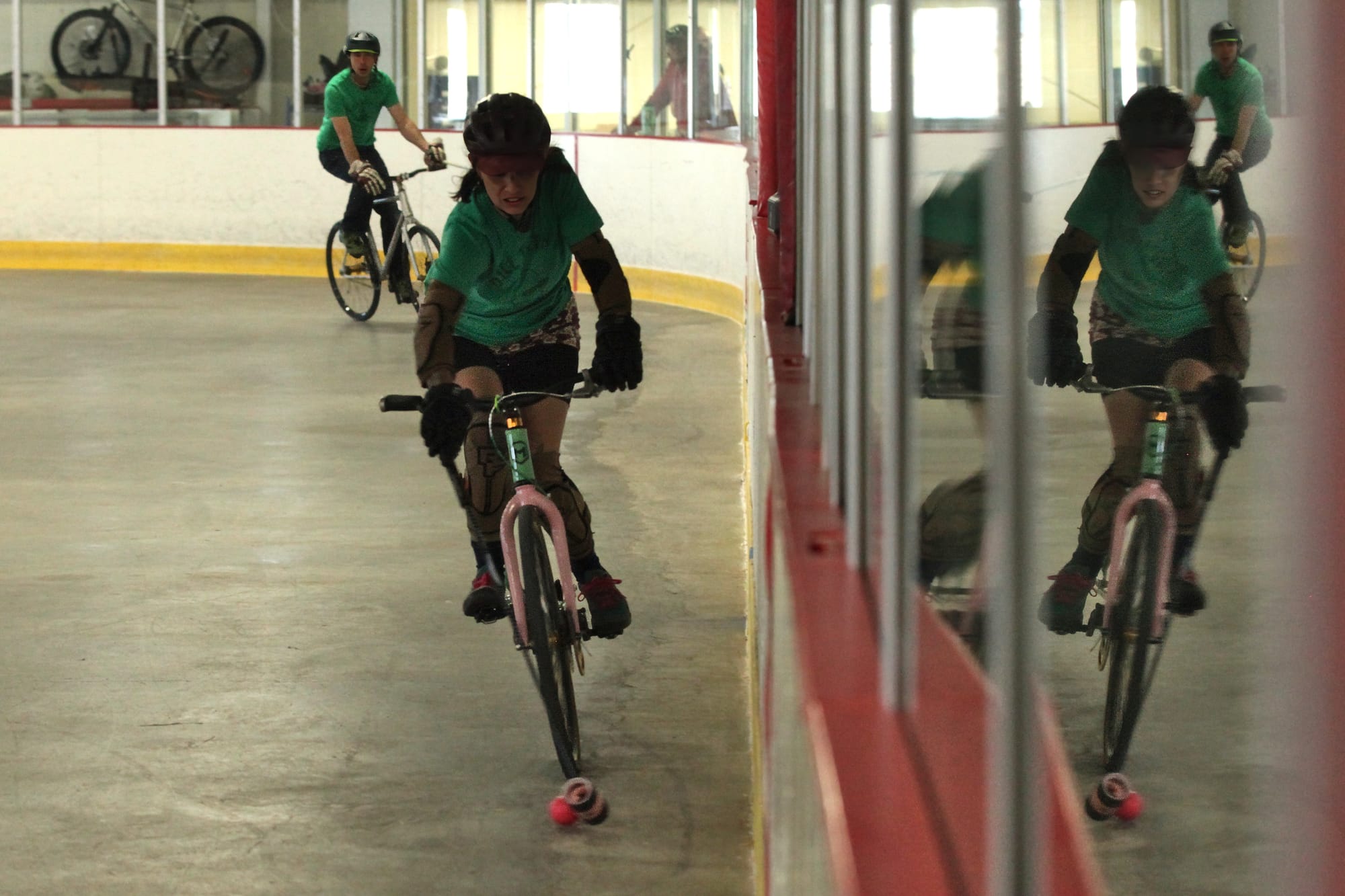
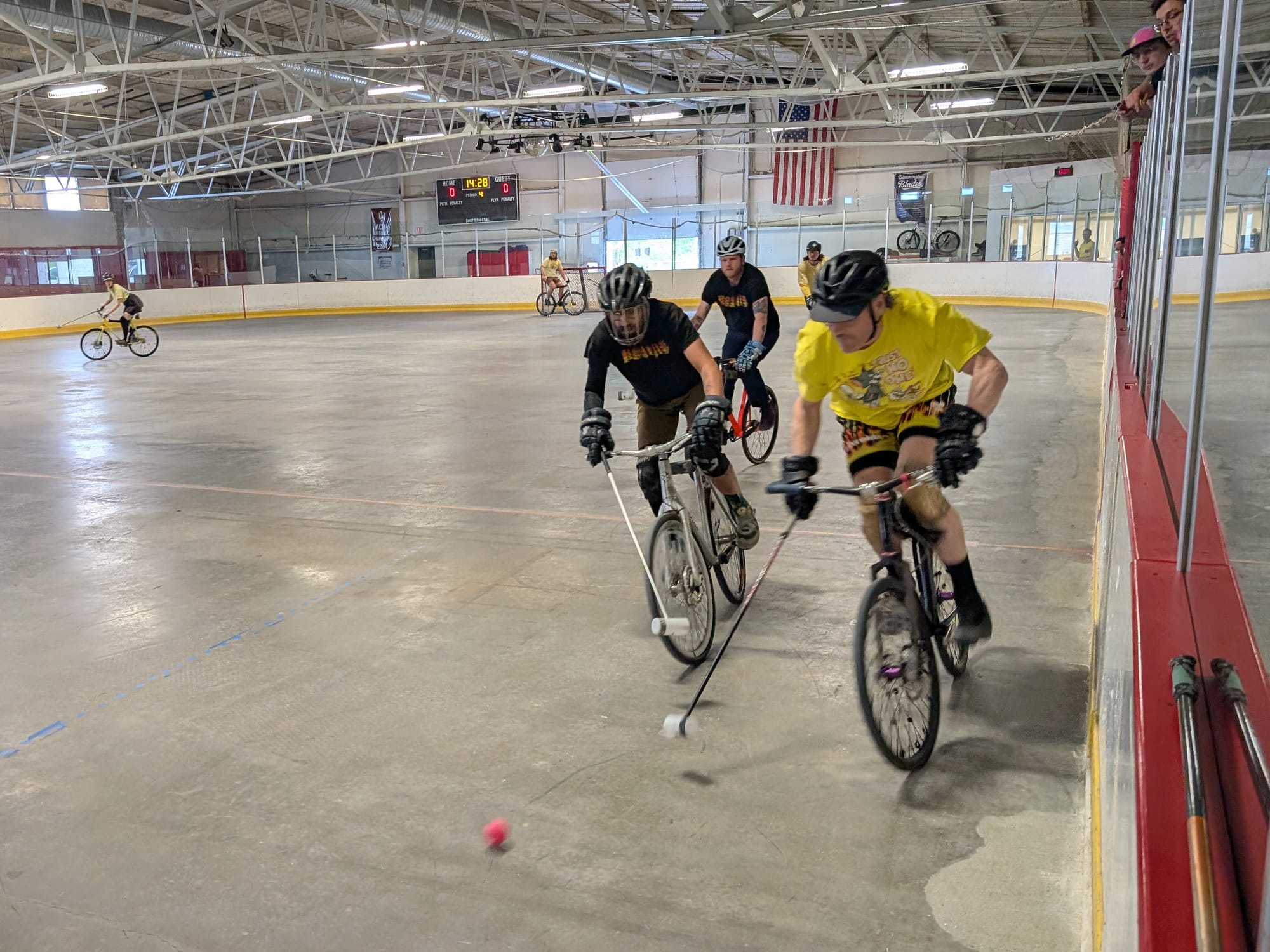
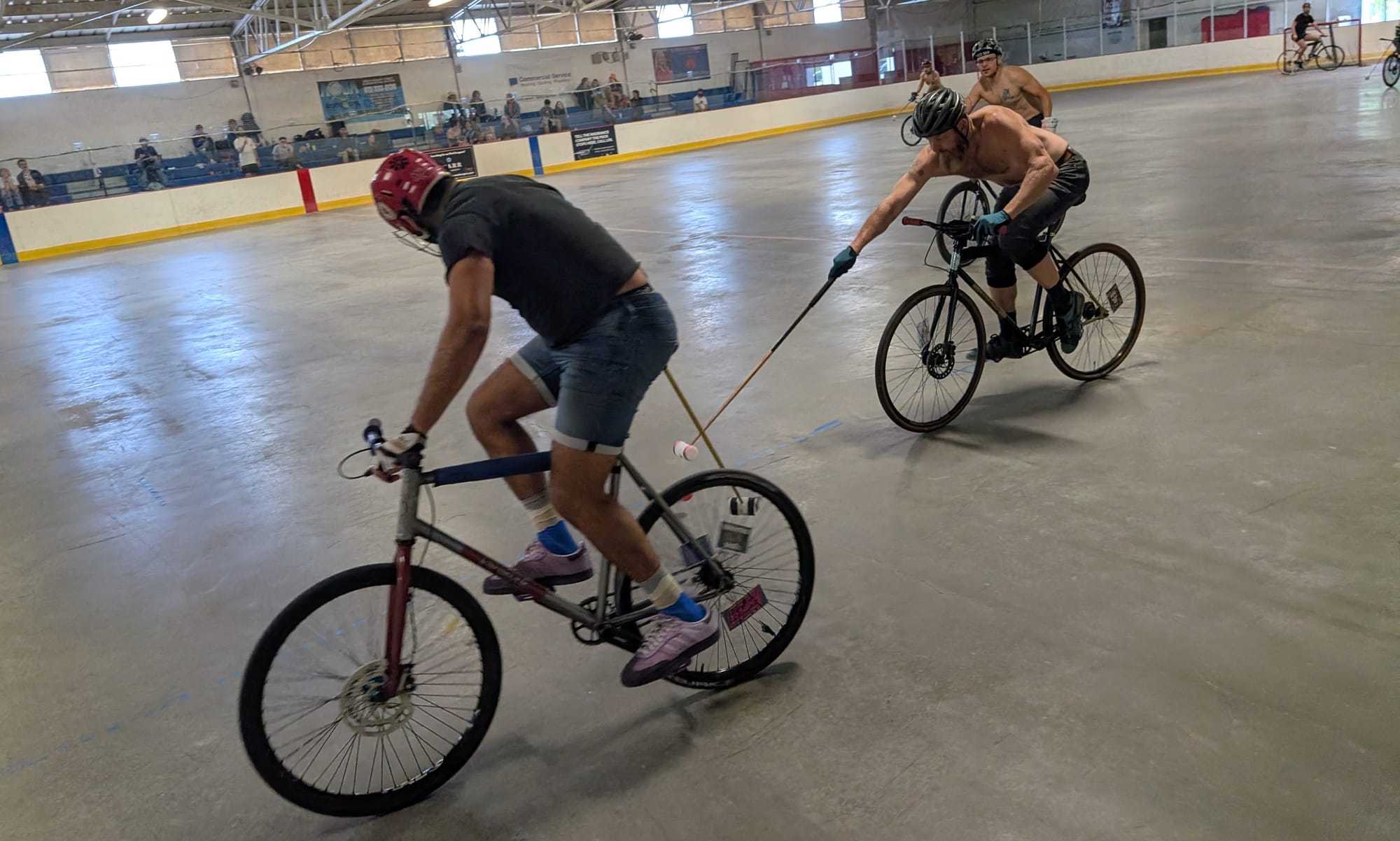
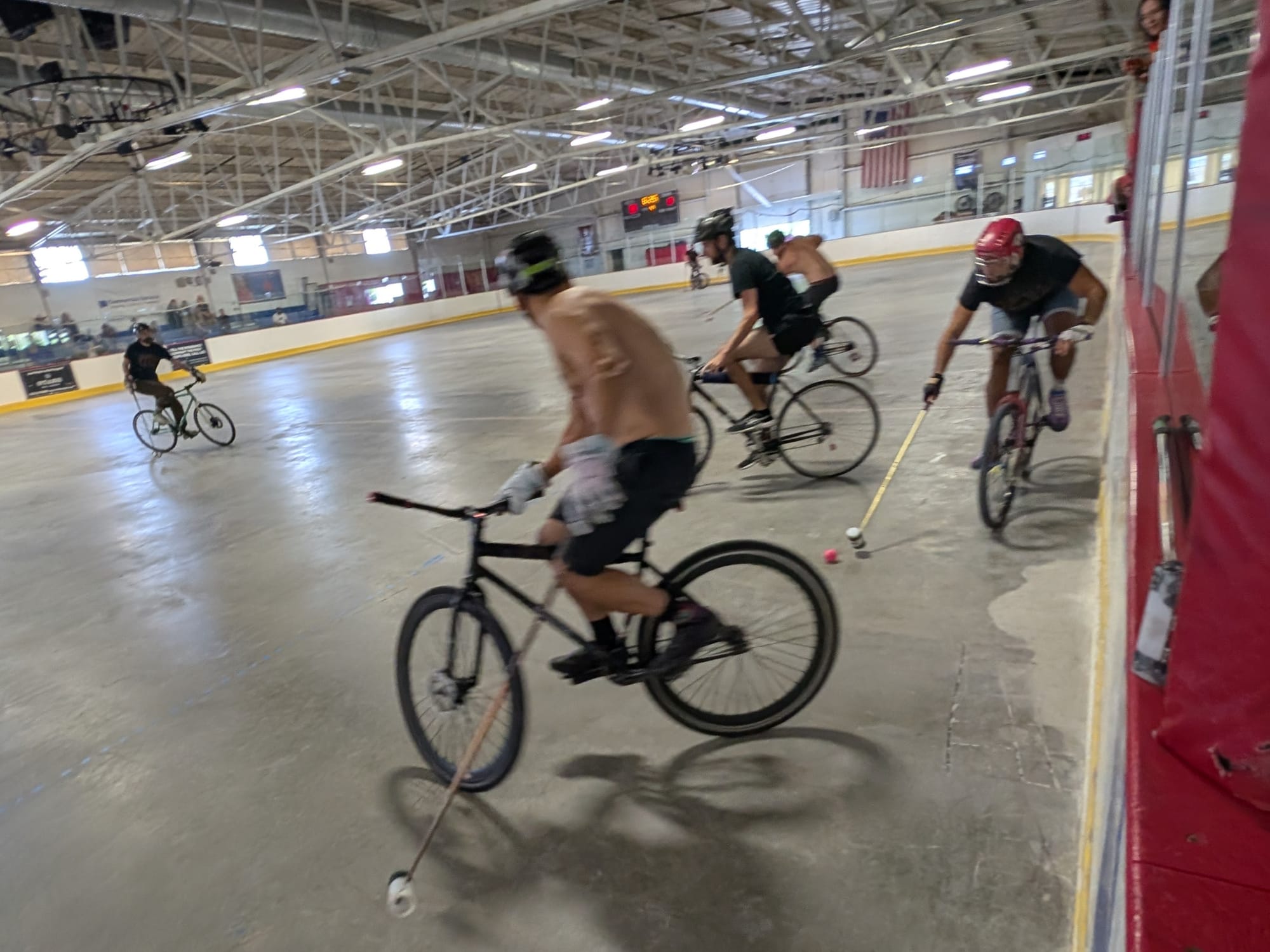
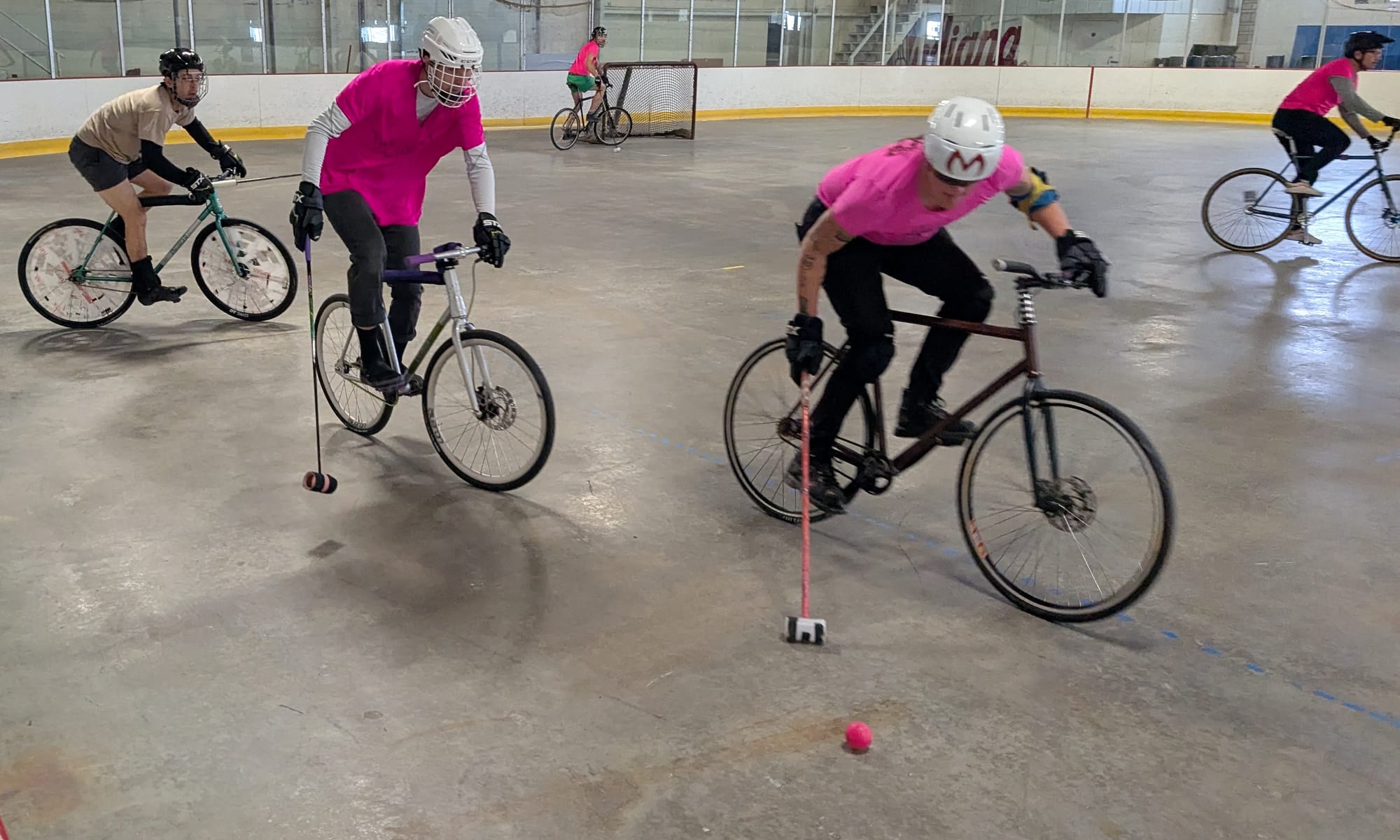
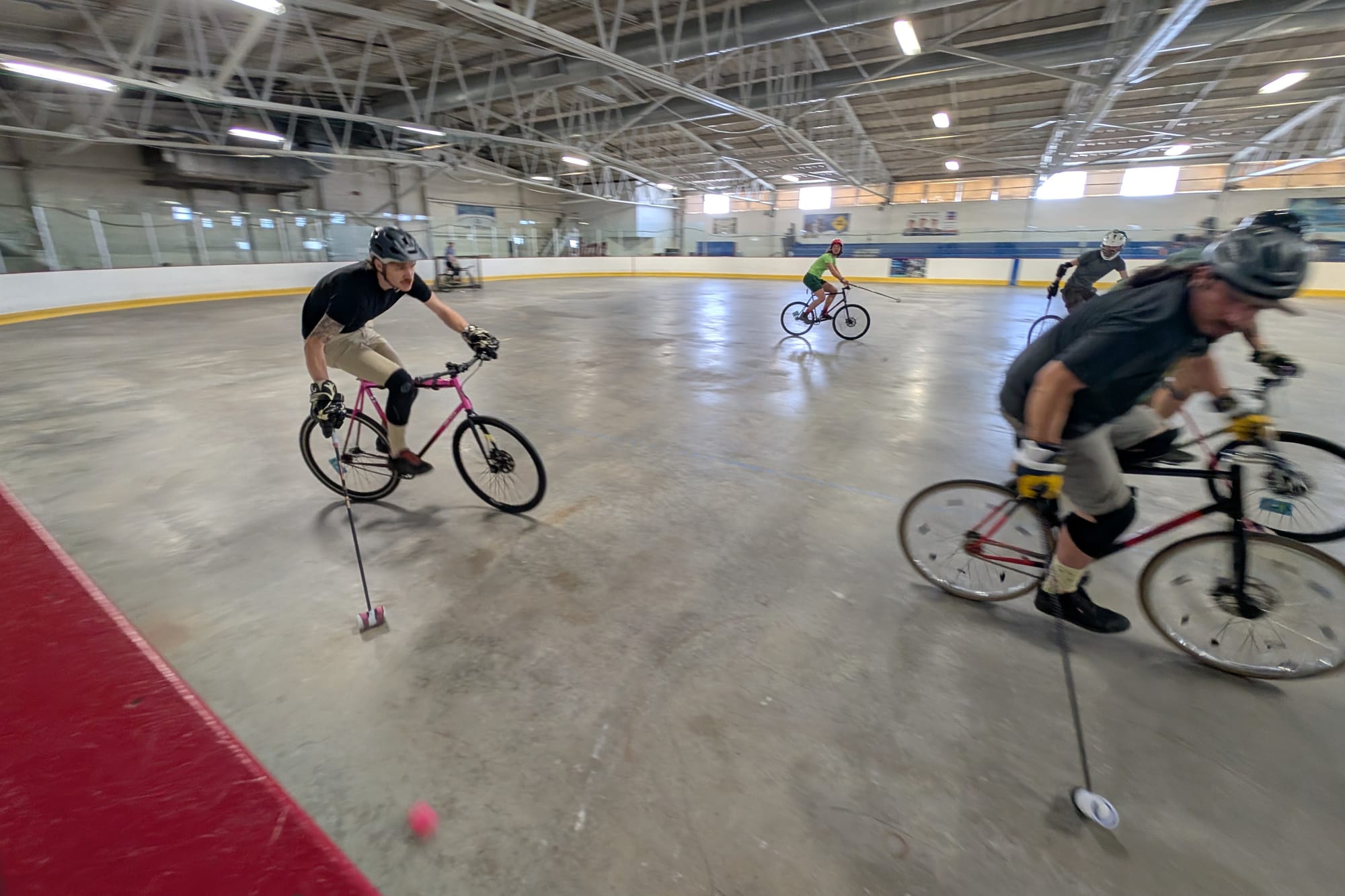
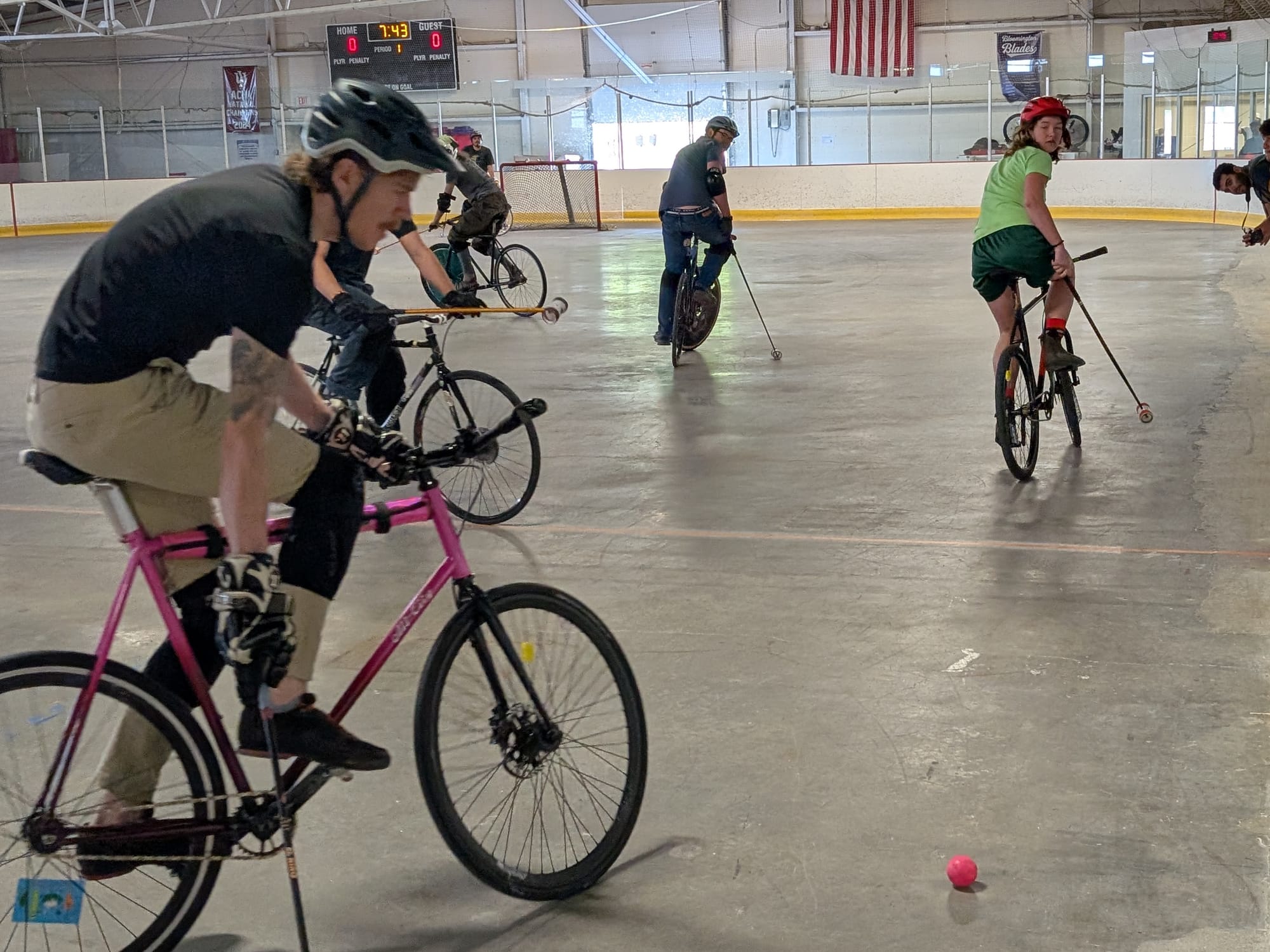
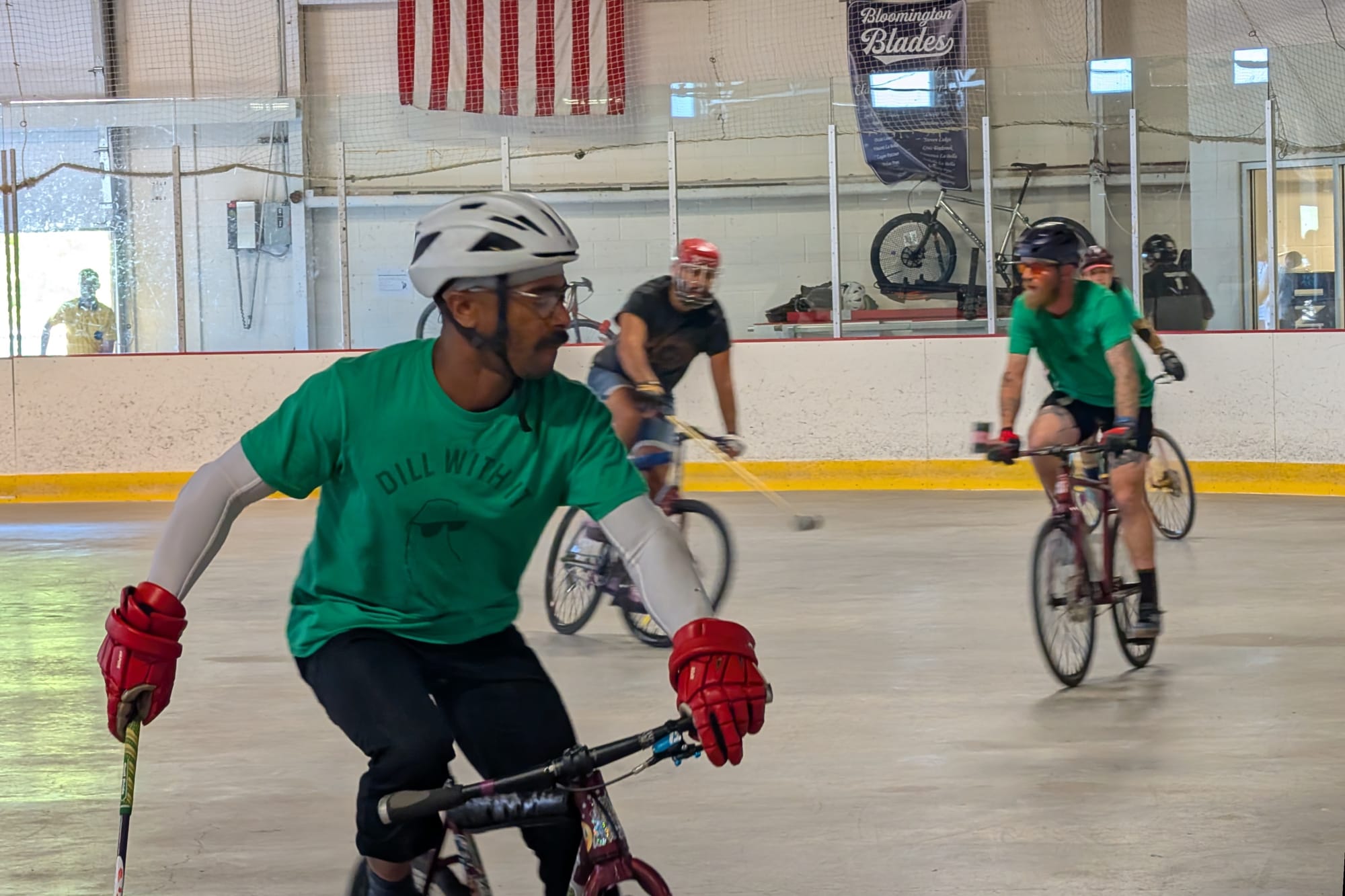
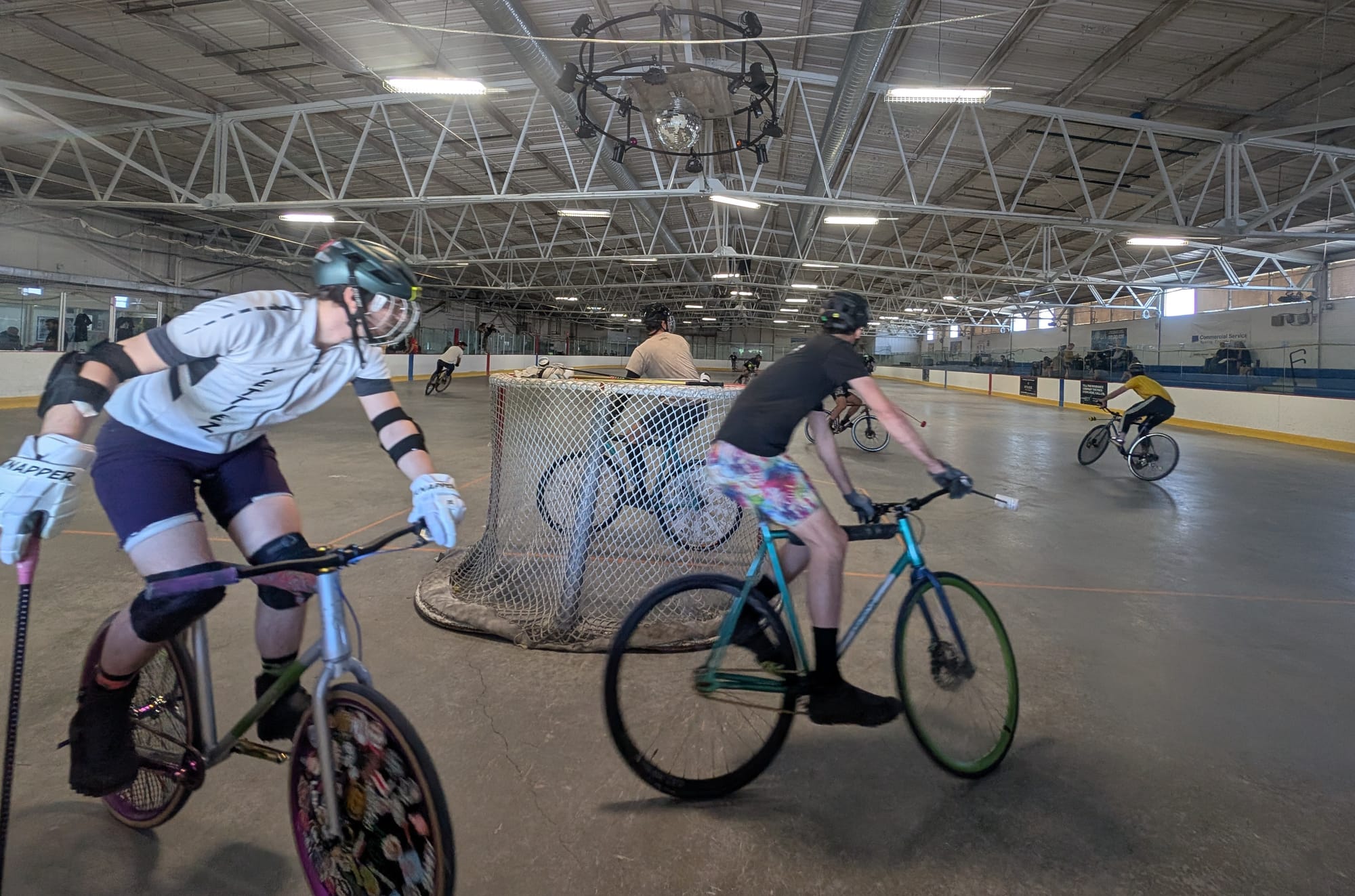
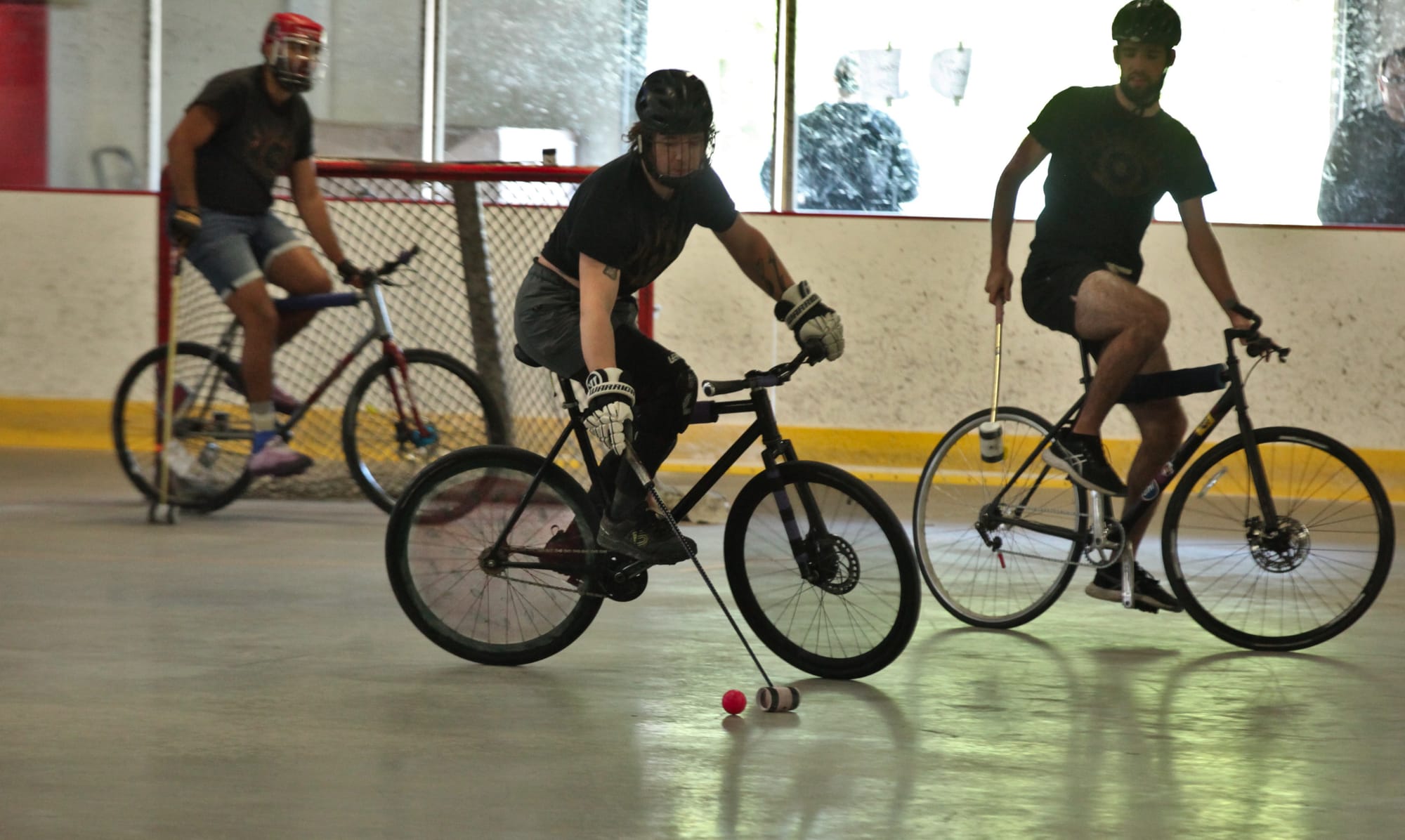
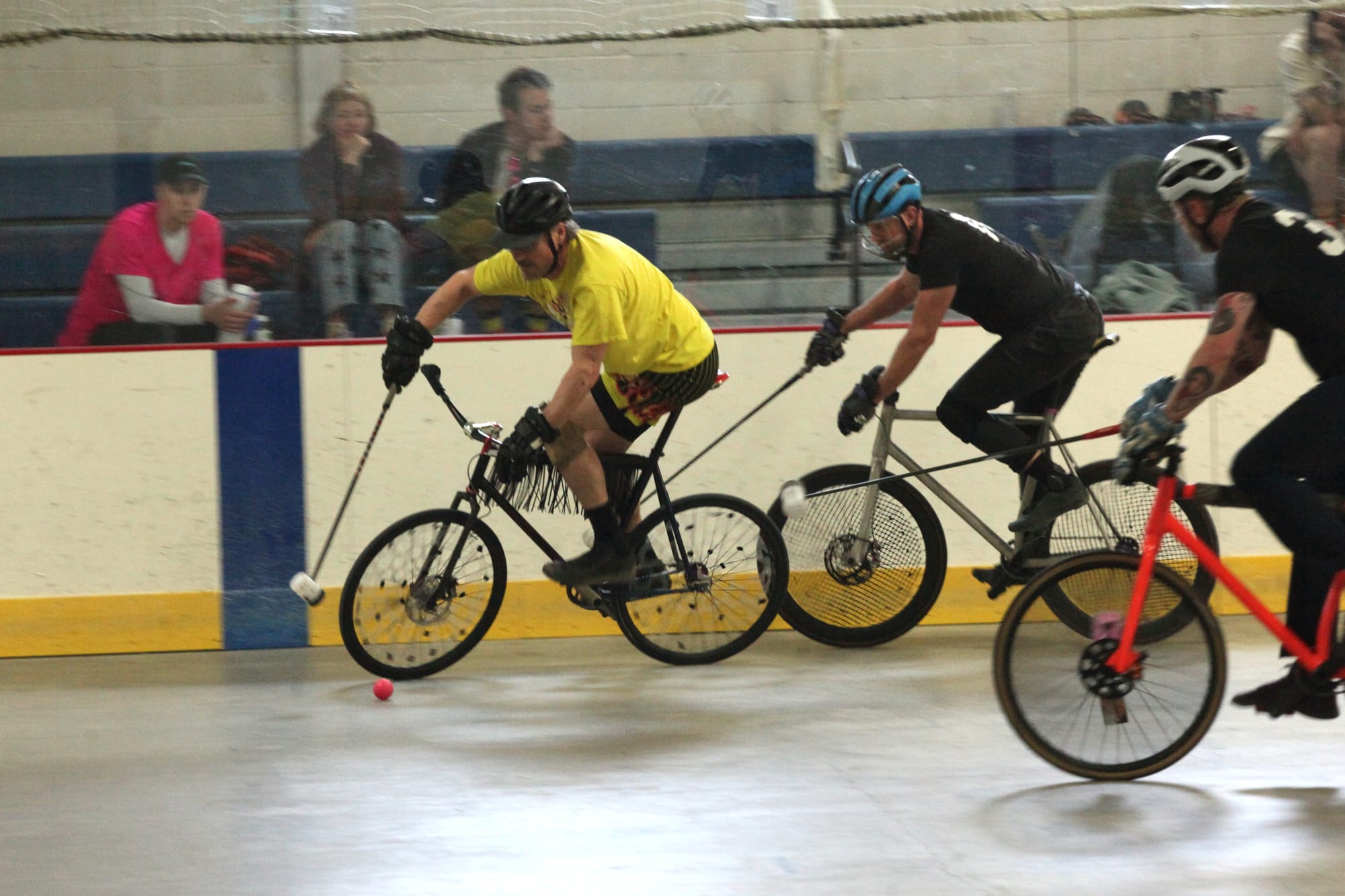
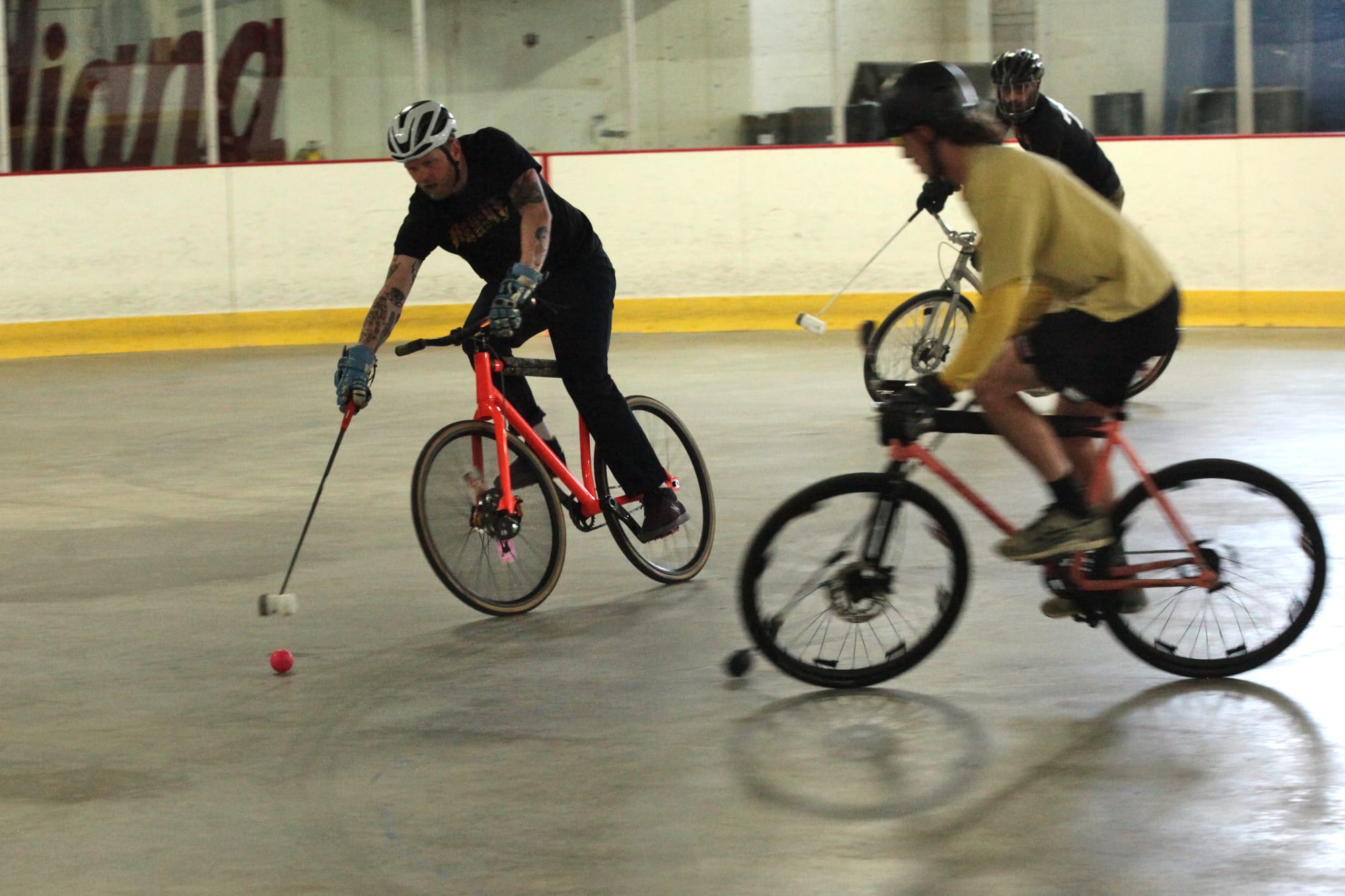
This past weekend (April 18–19) at Bloomington’s Frank Southern Ice Arena, the ice was gone but the boards were still busy, given over to bicycle polo. Think polo, but with bicycles instead of horses. Or hockey on bikes.
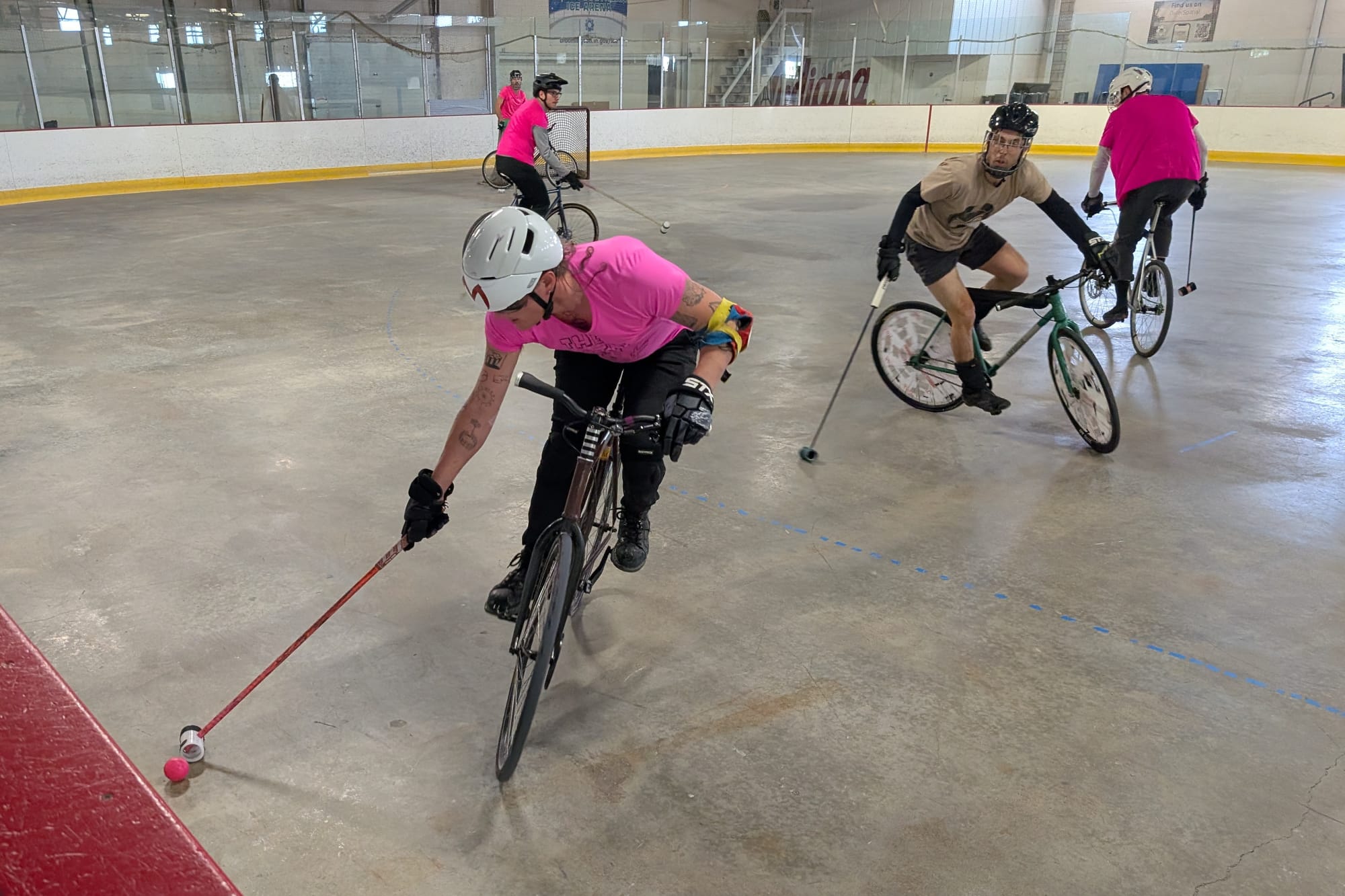
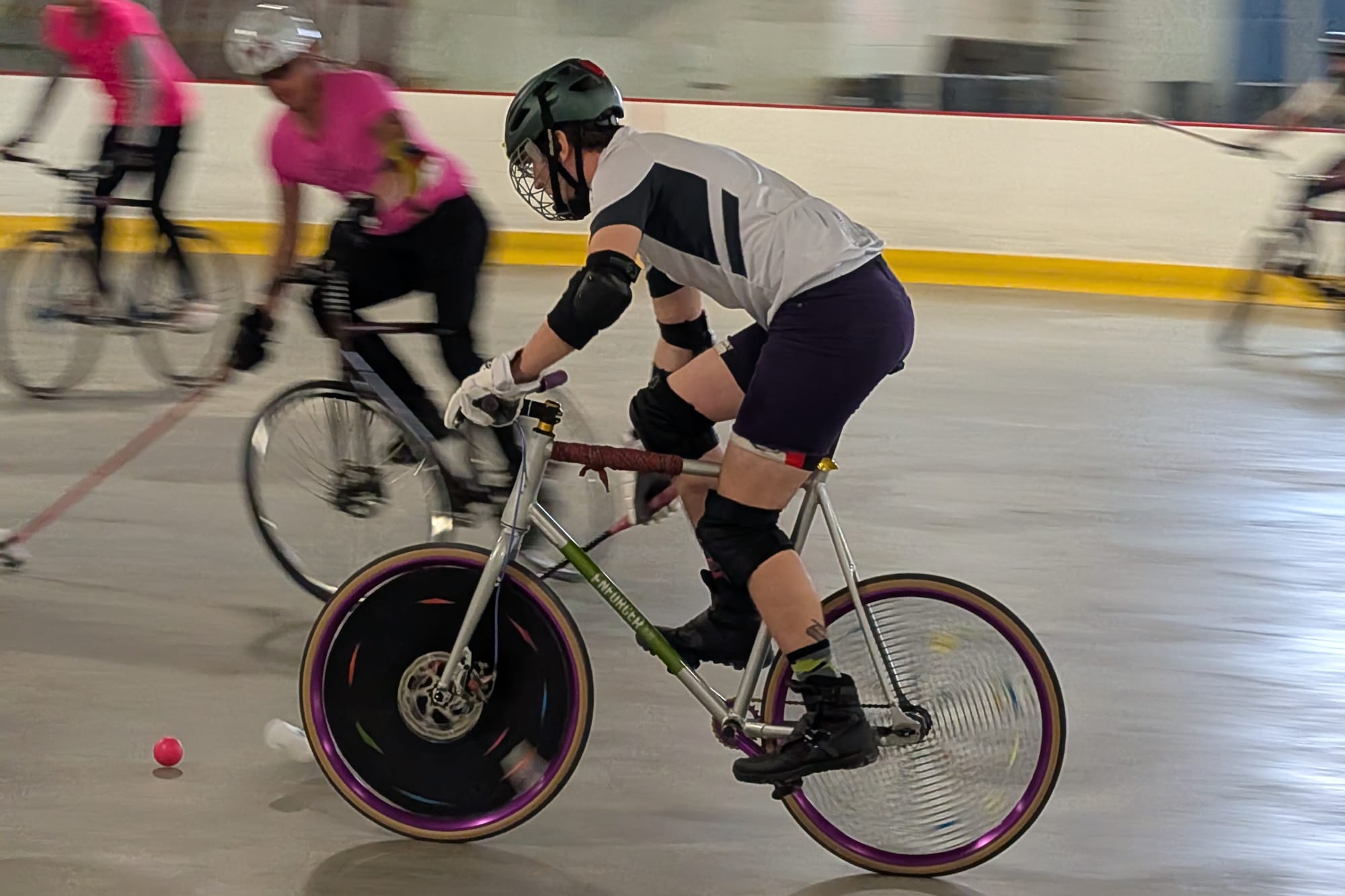
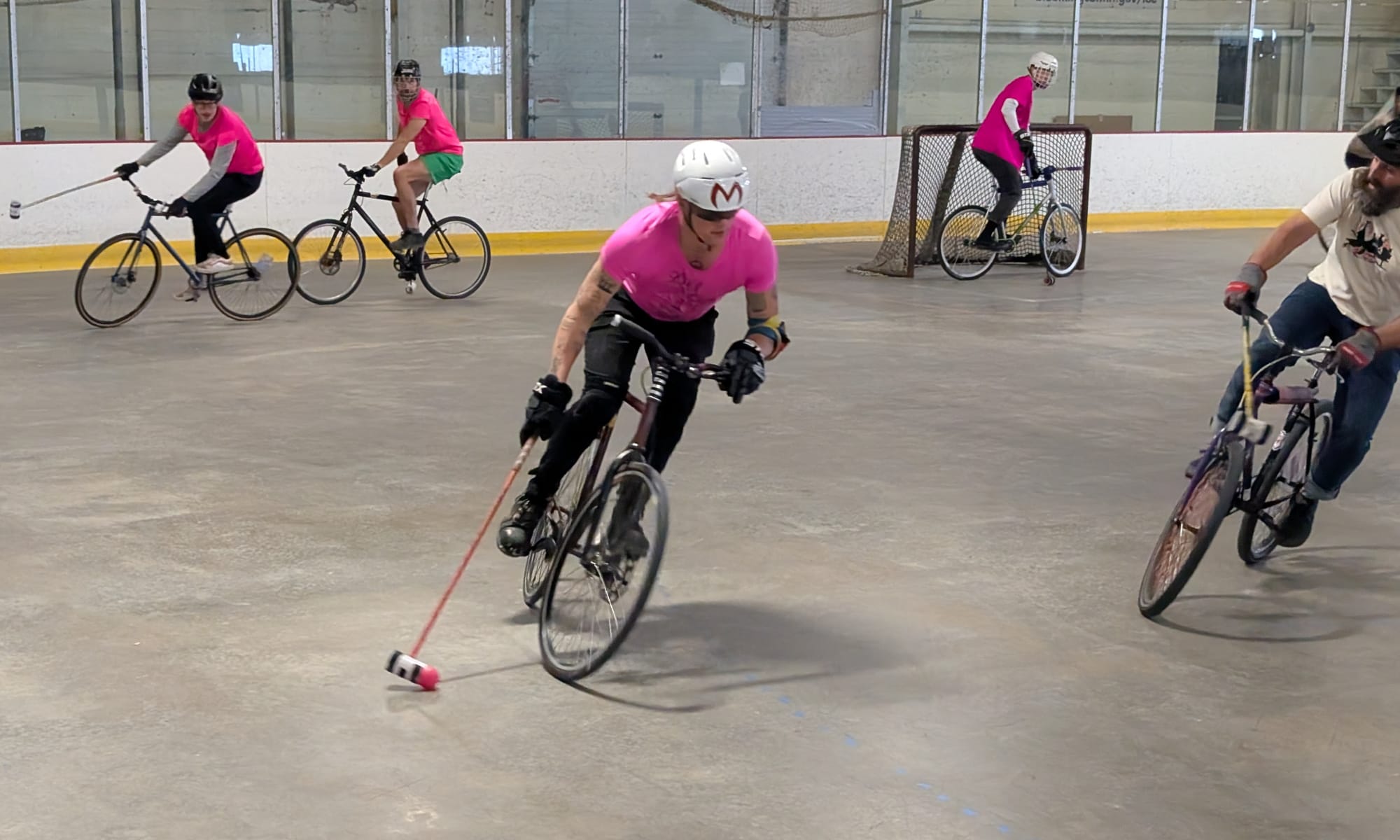
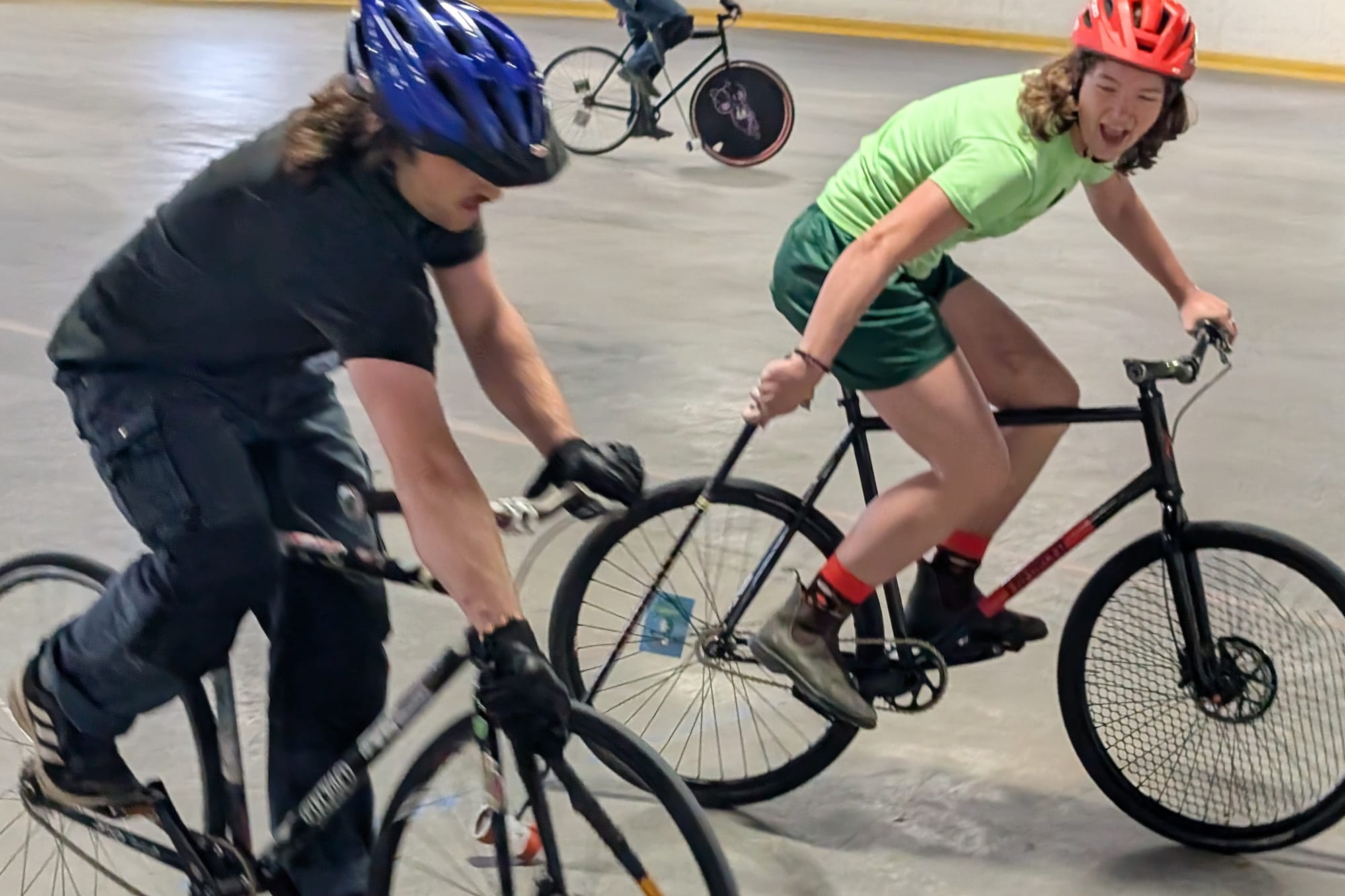
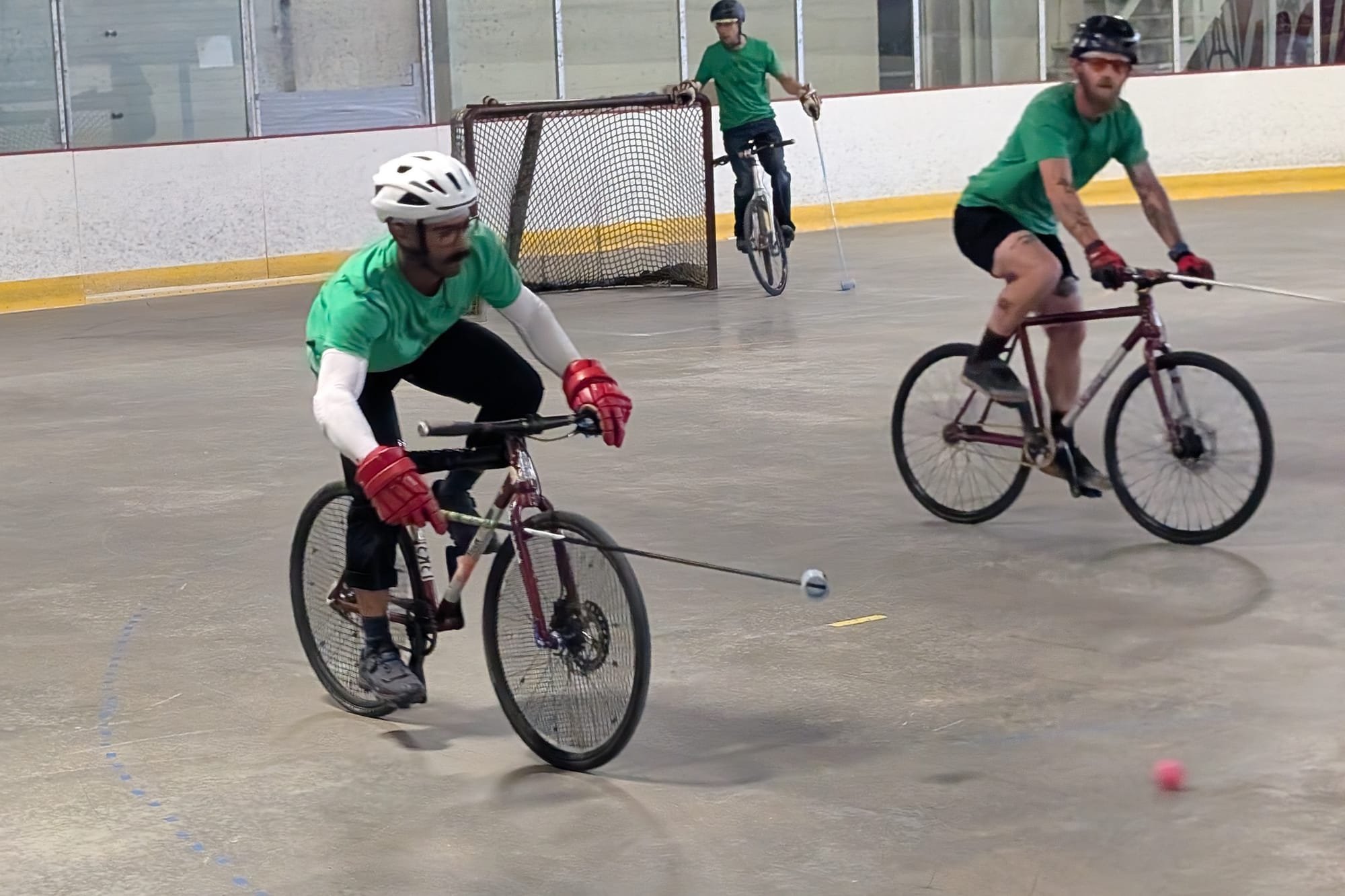
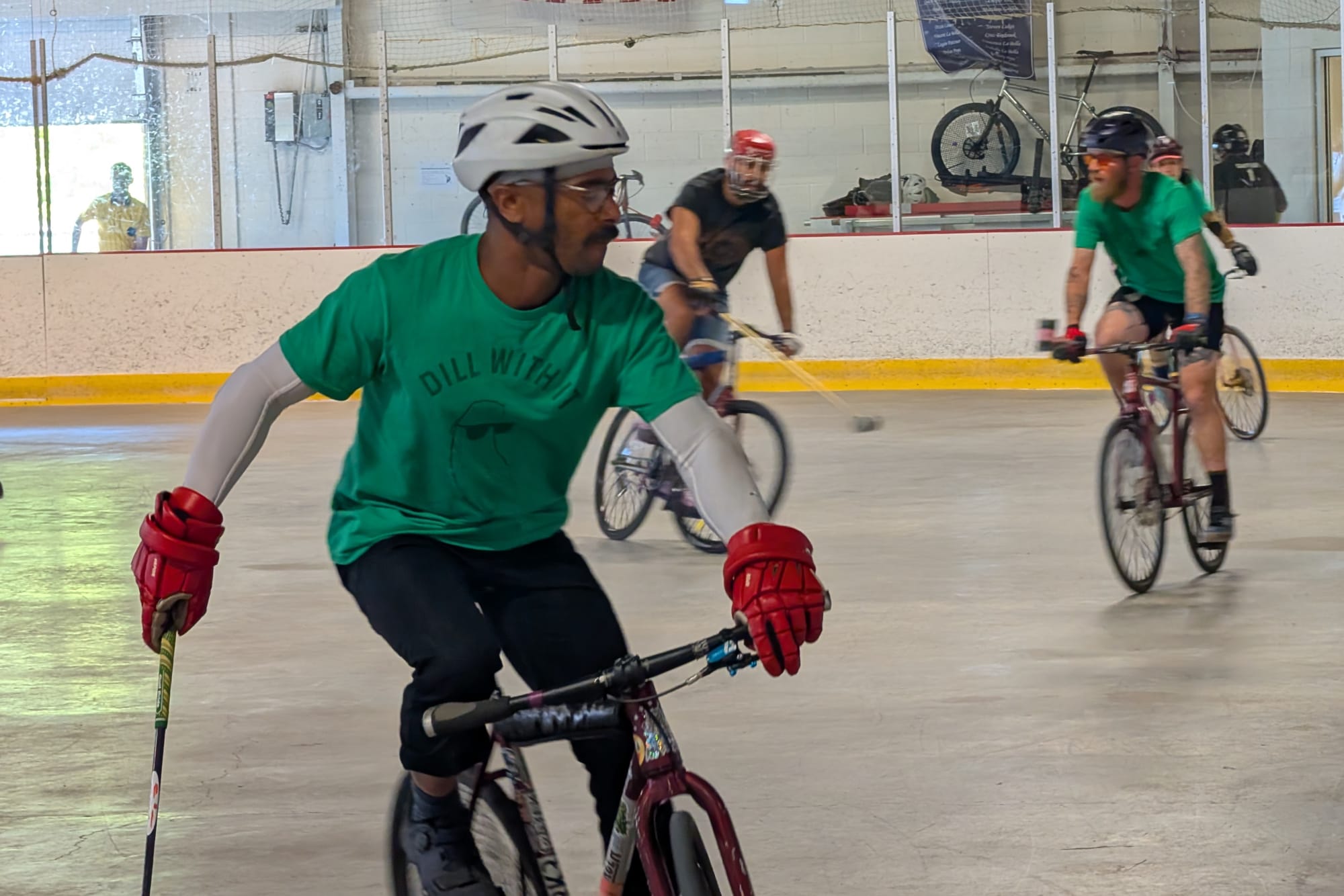
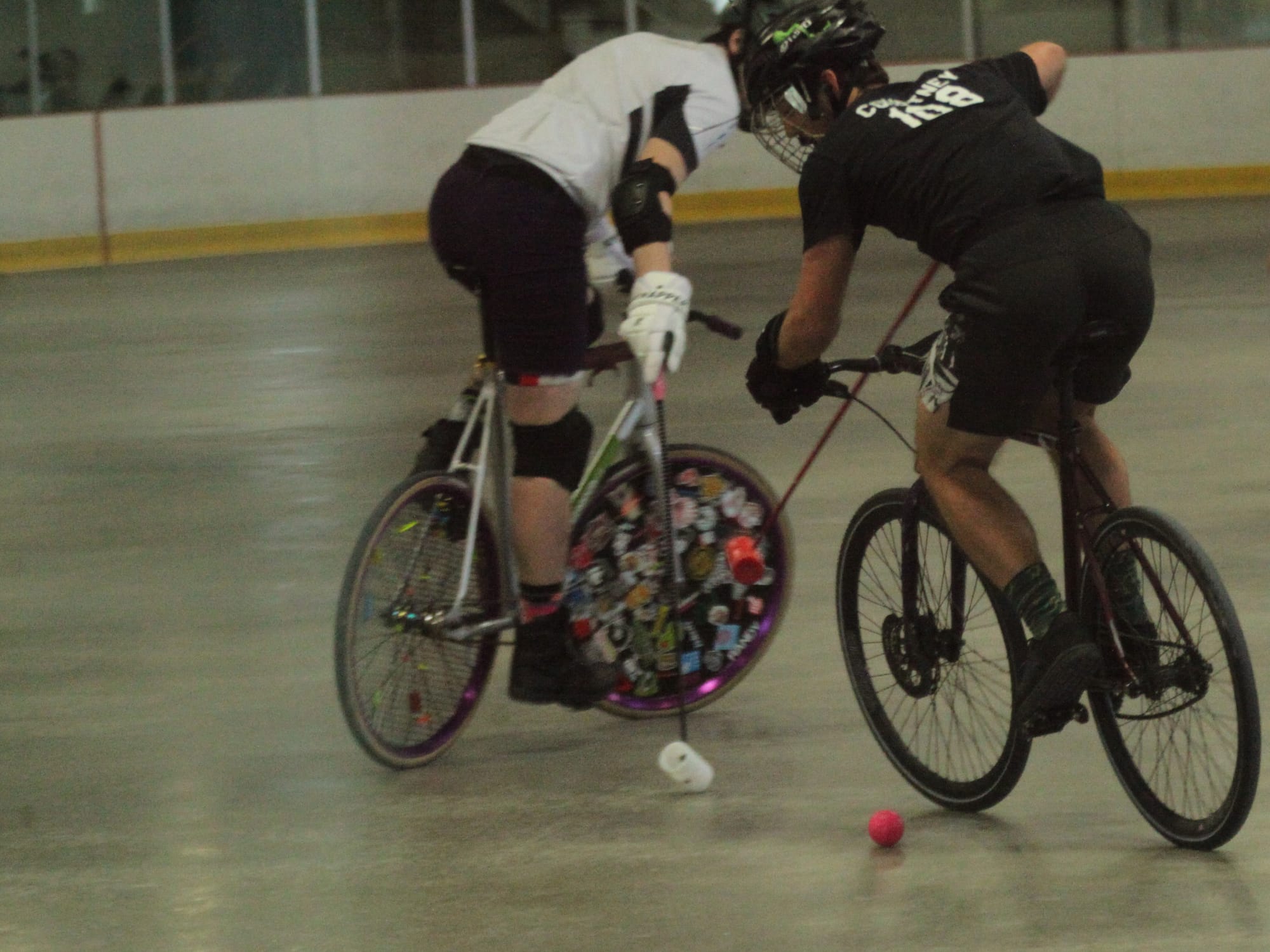
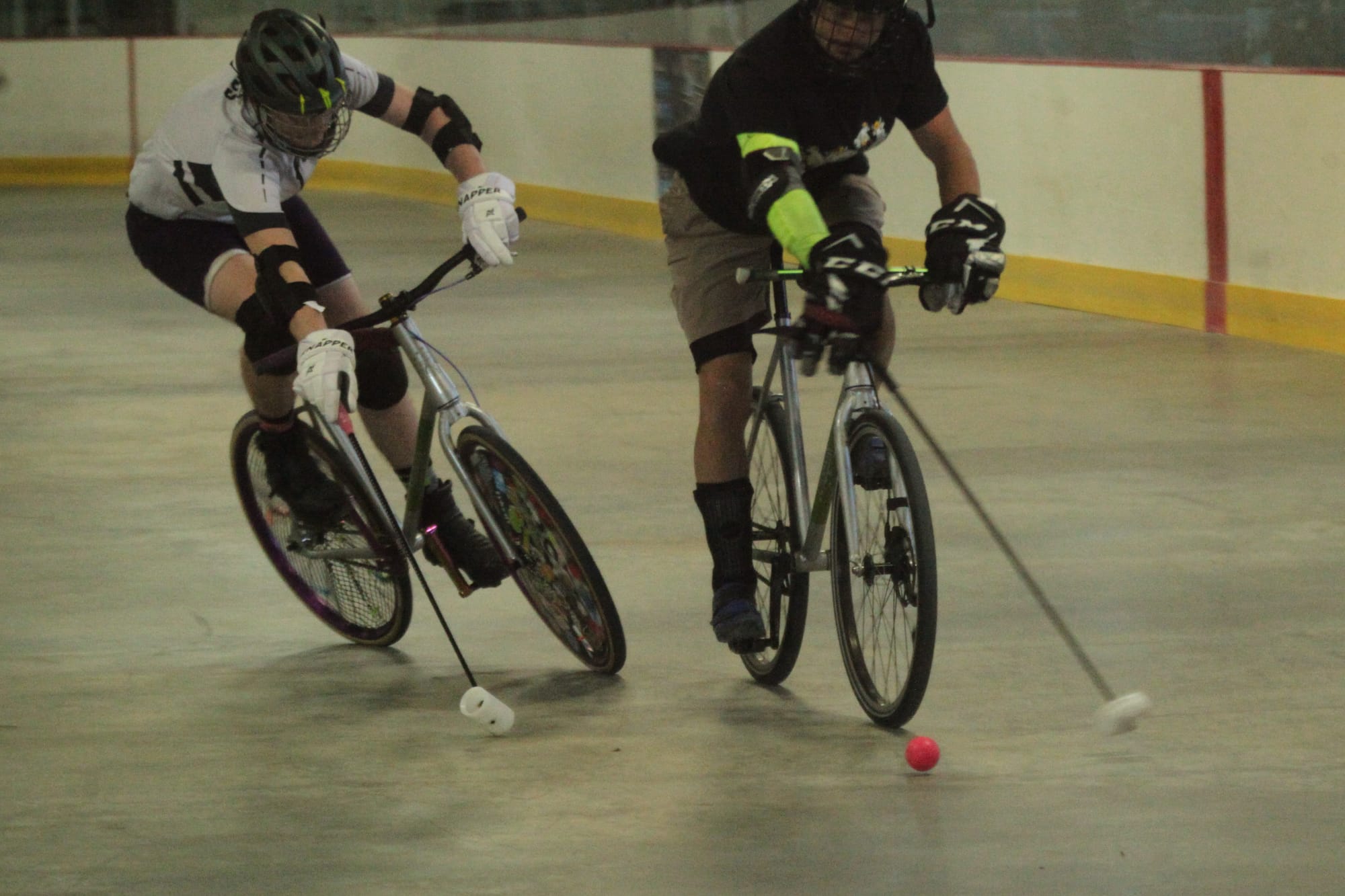
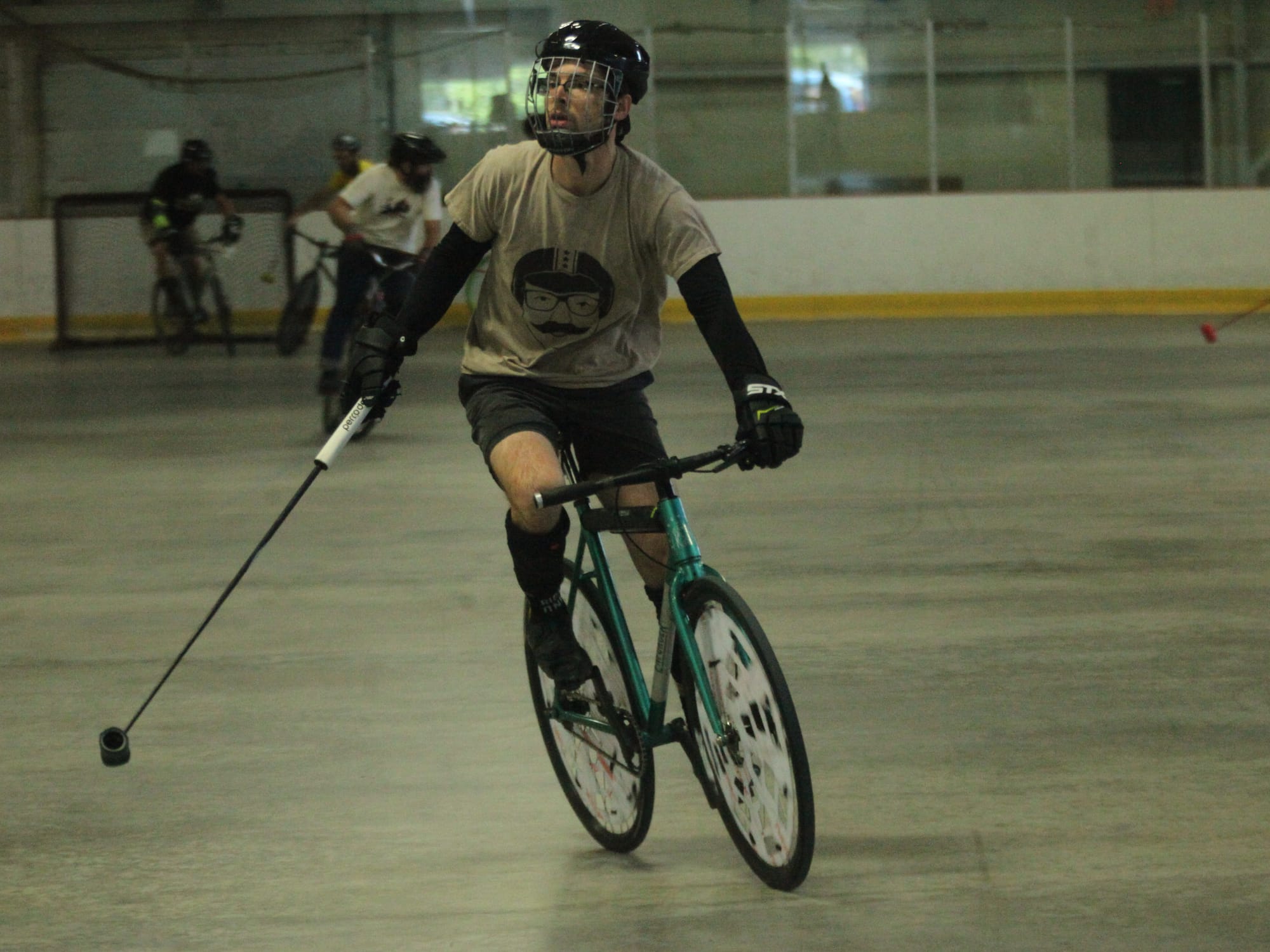
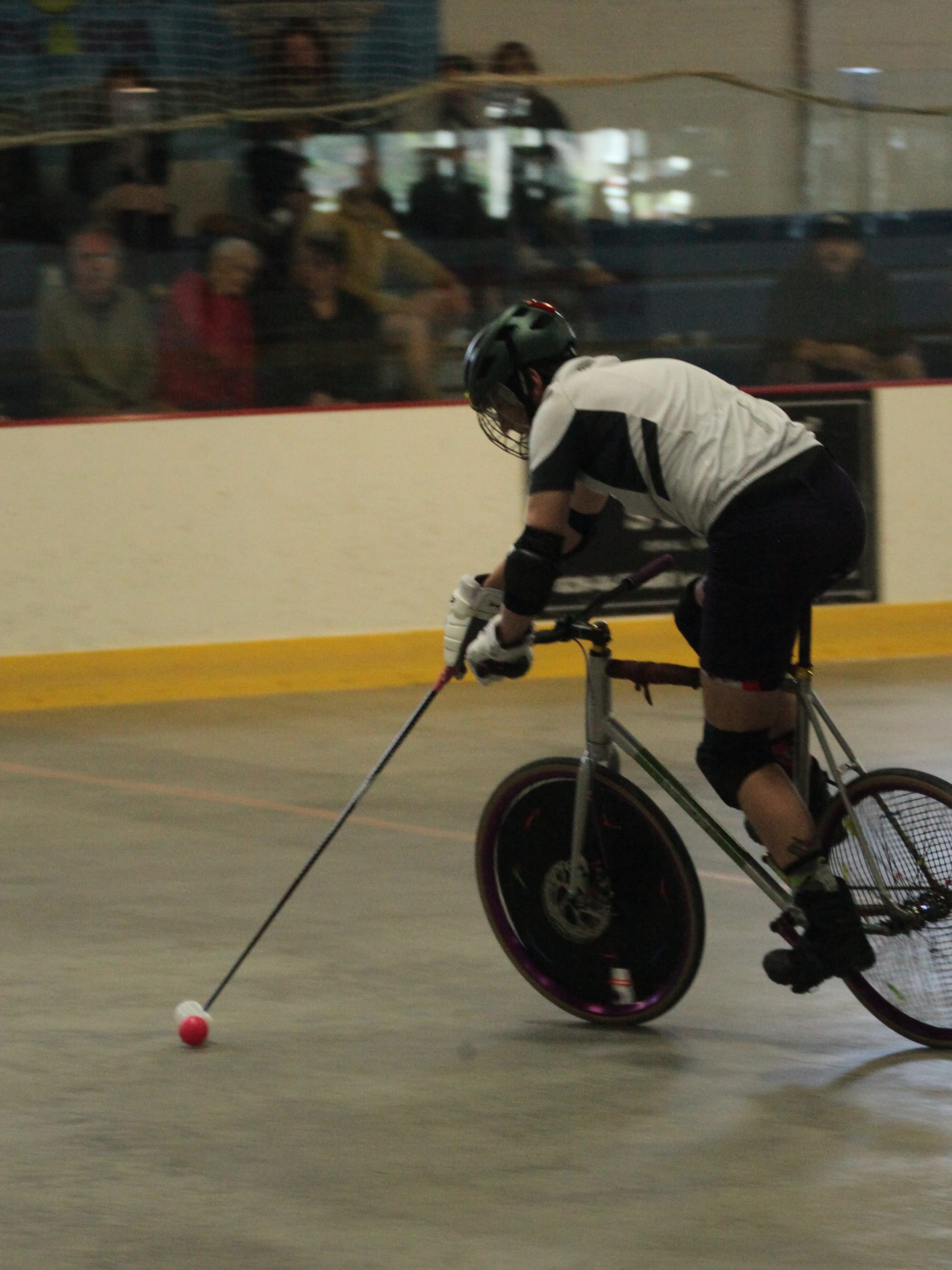
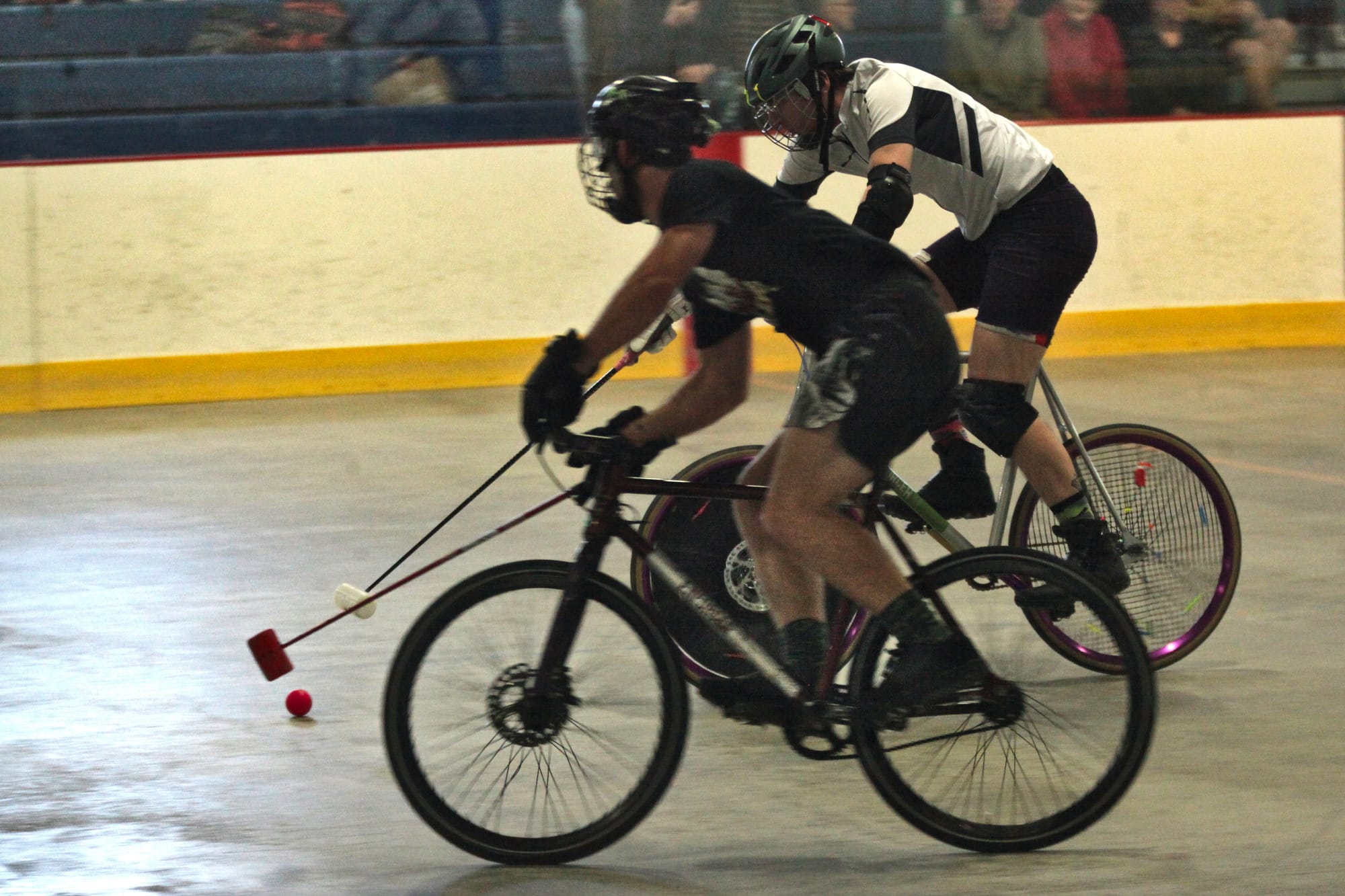
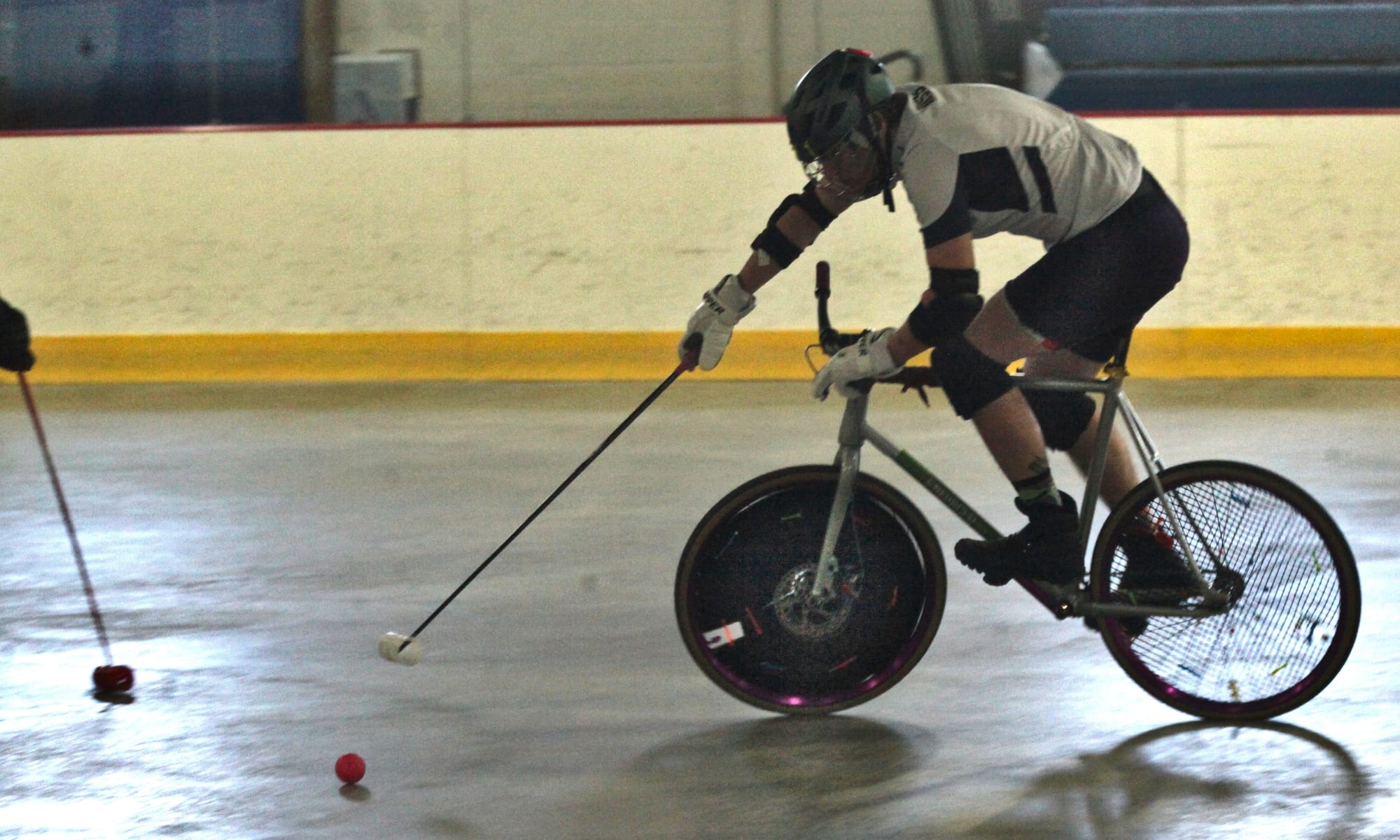
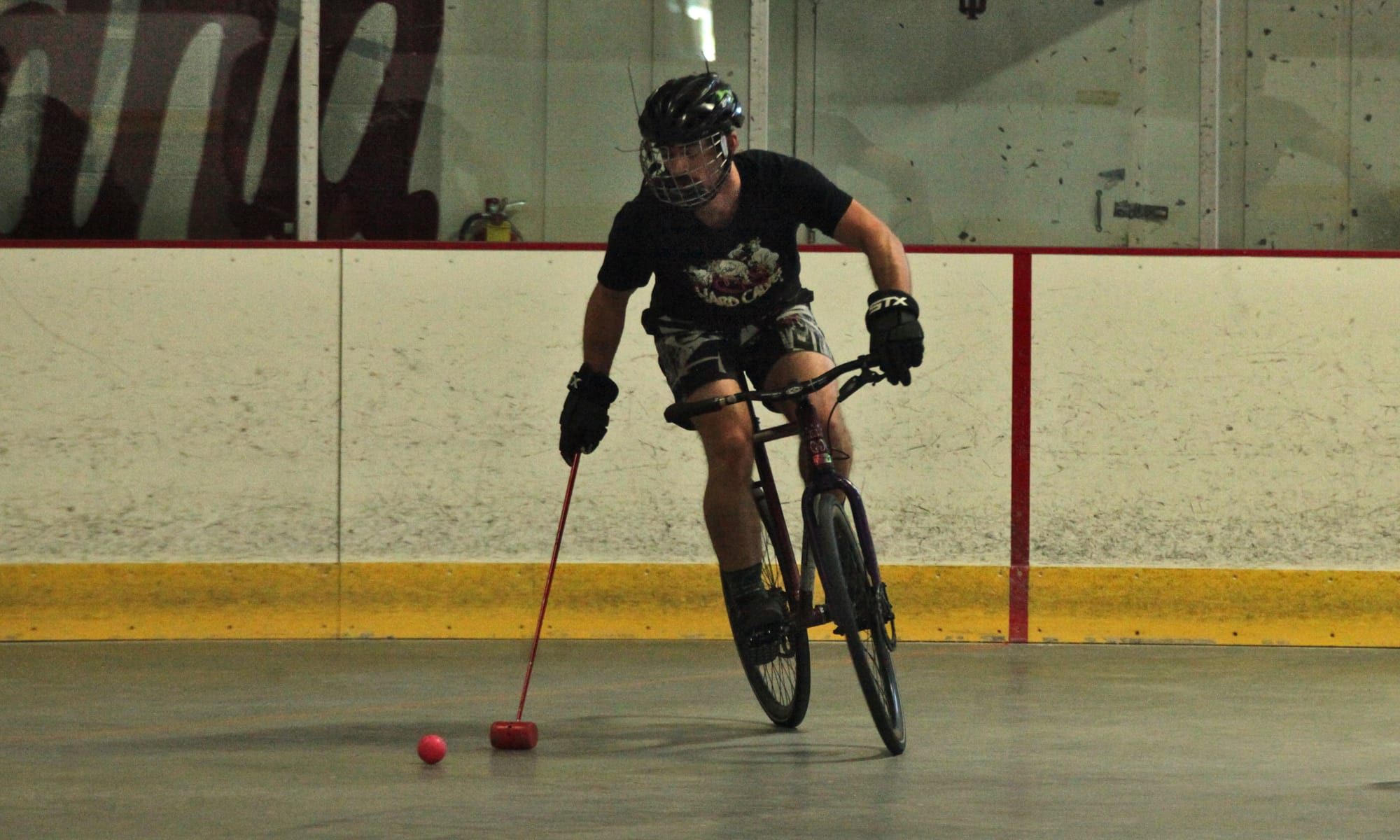
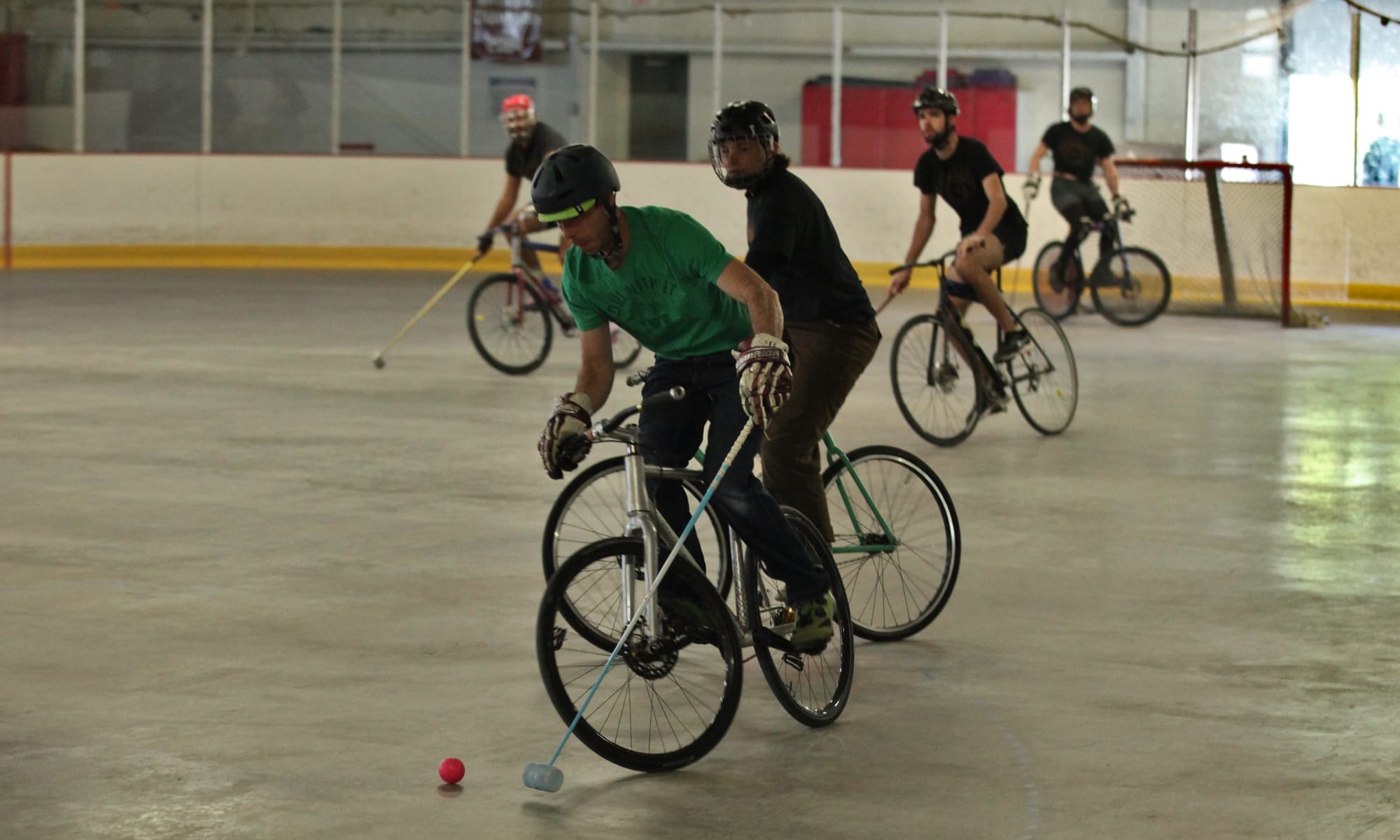
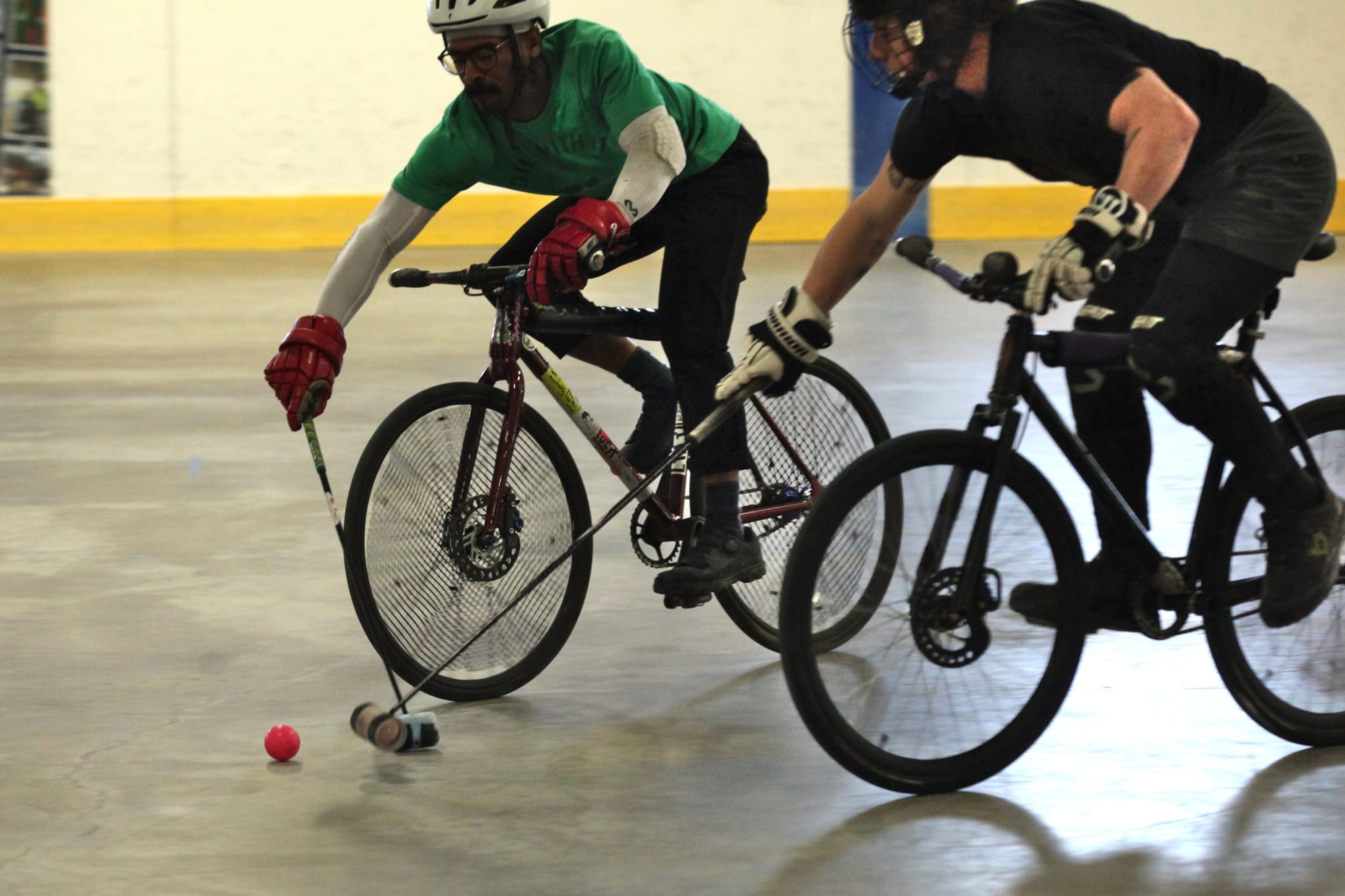
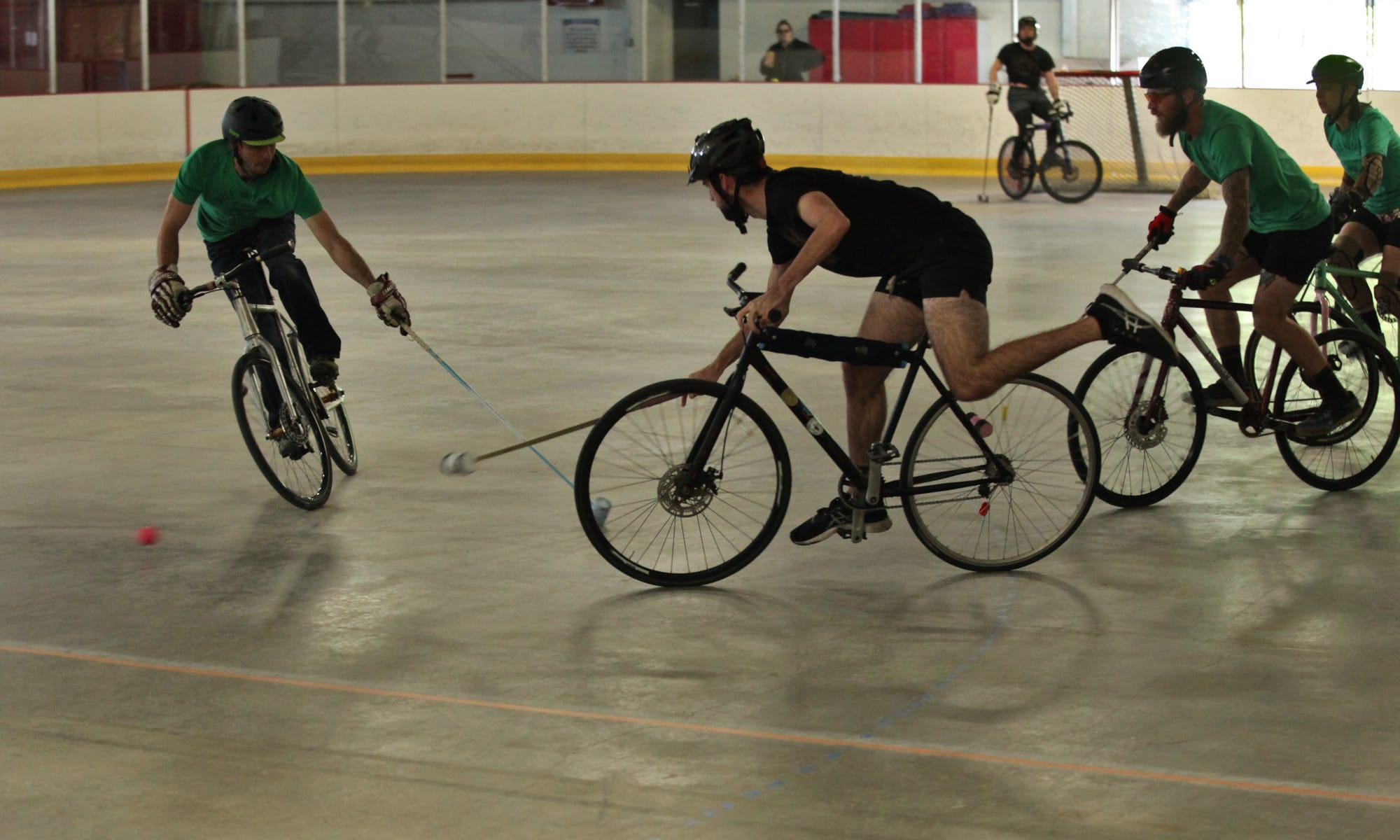
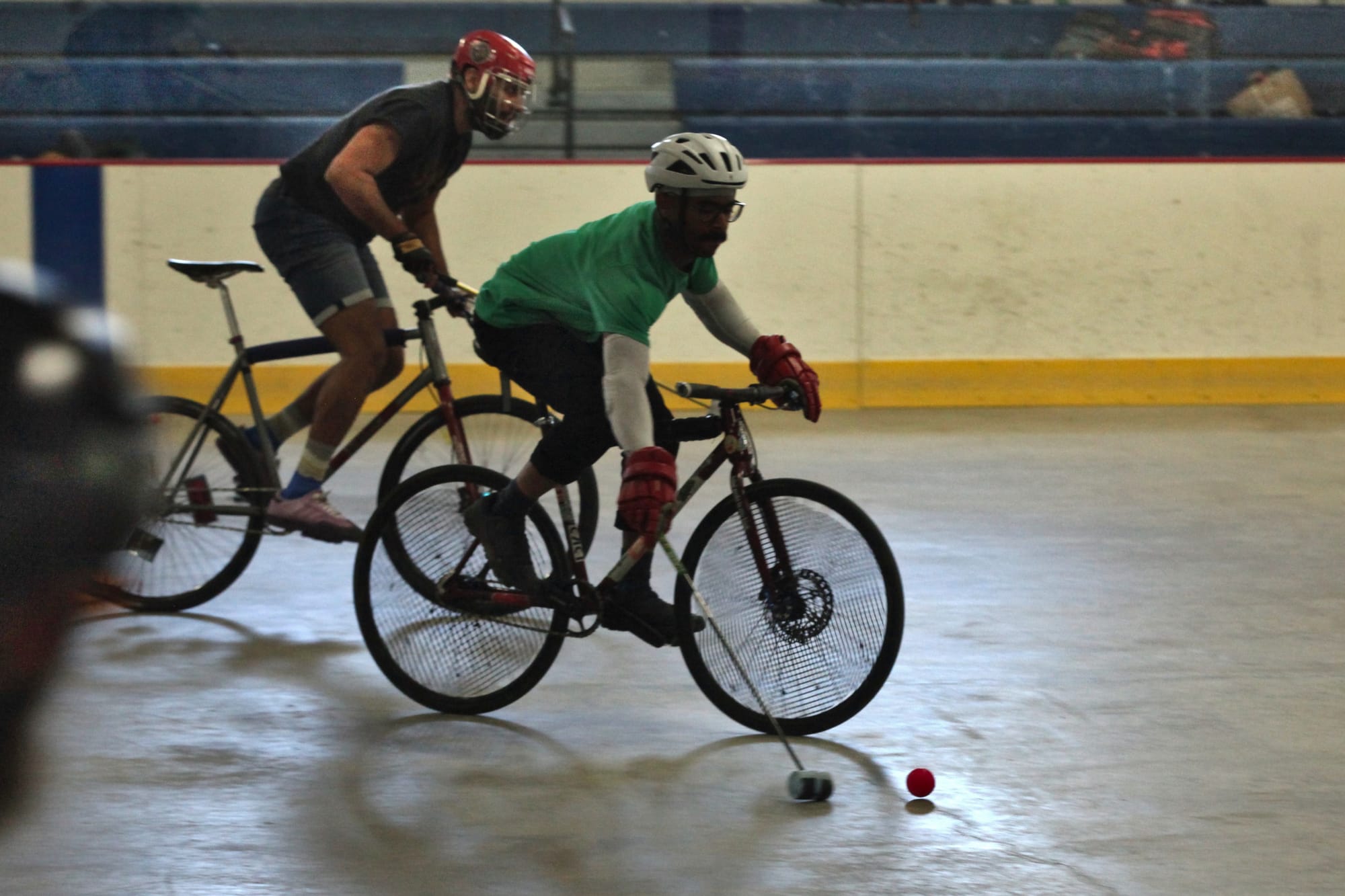
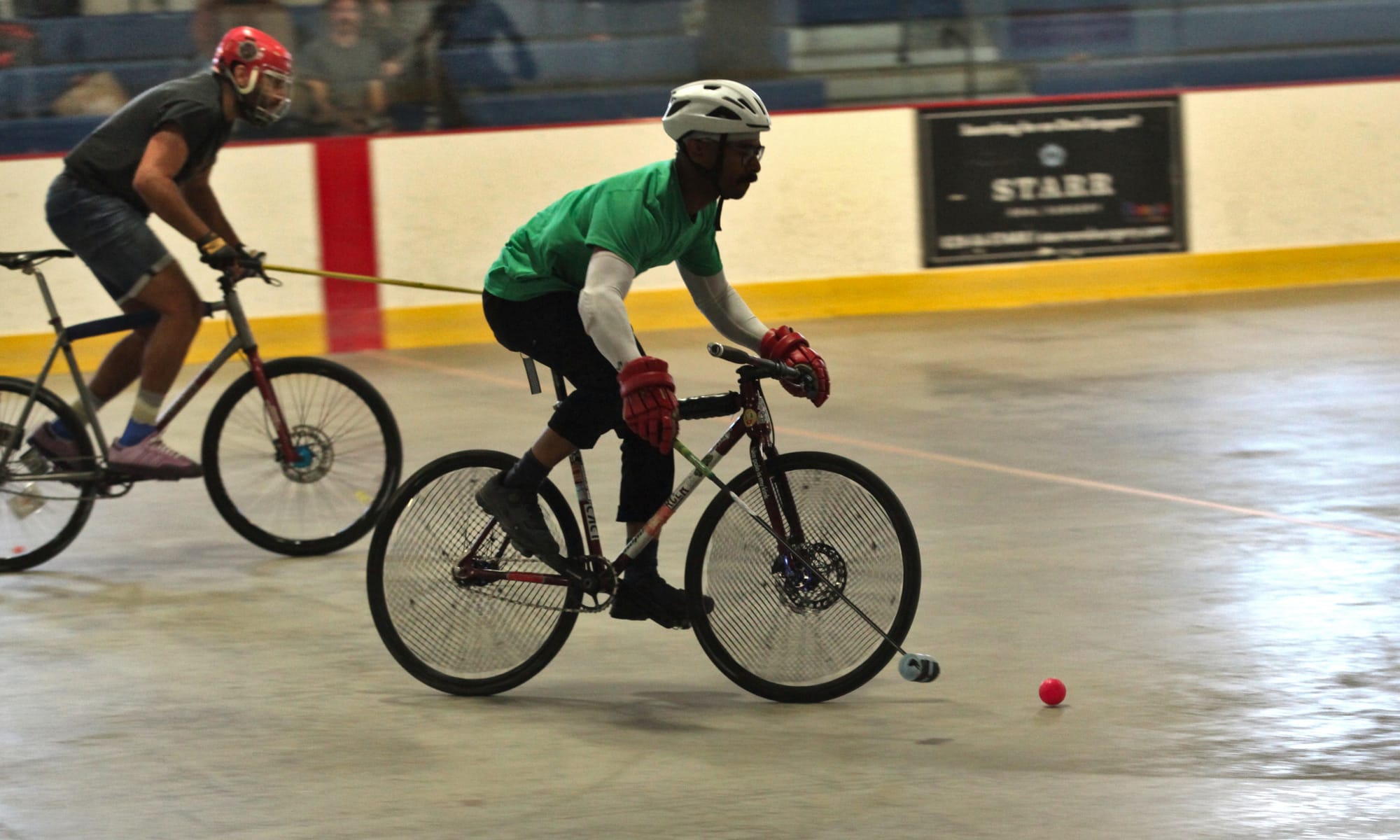
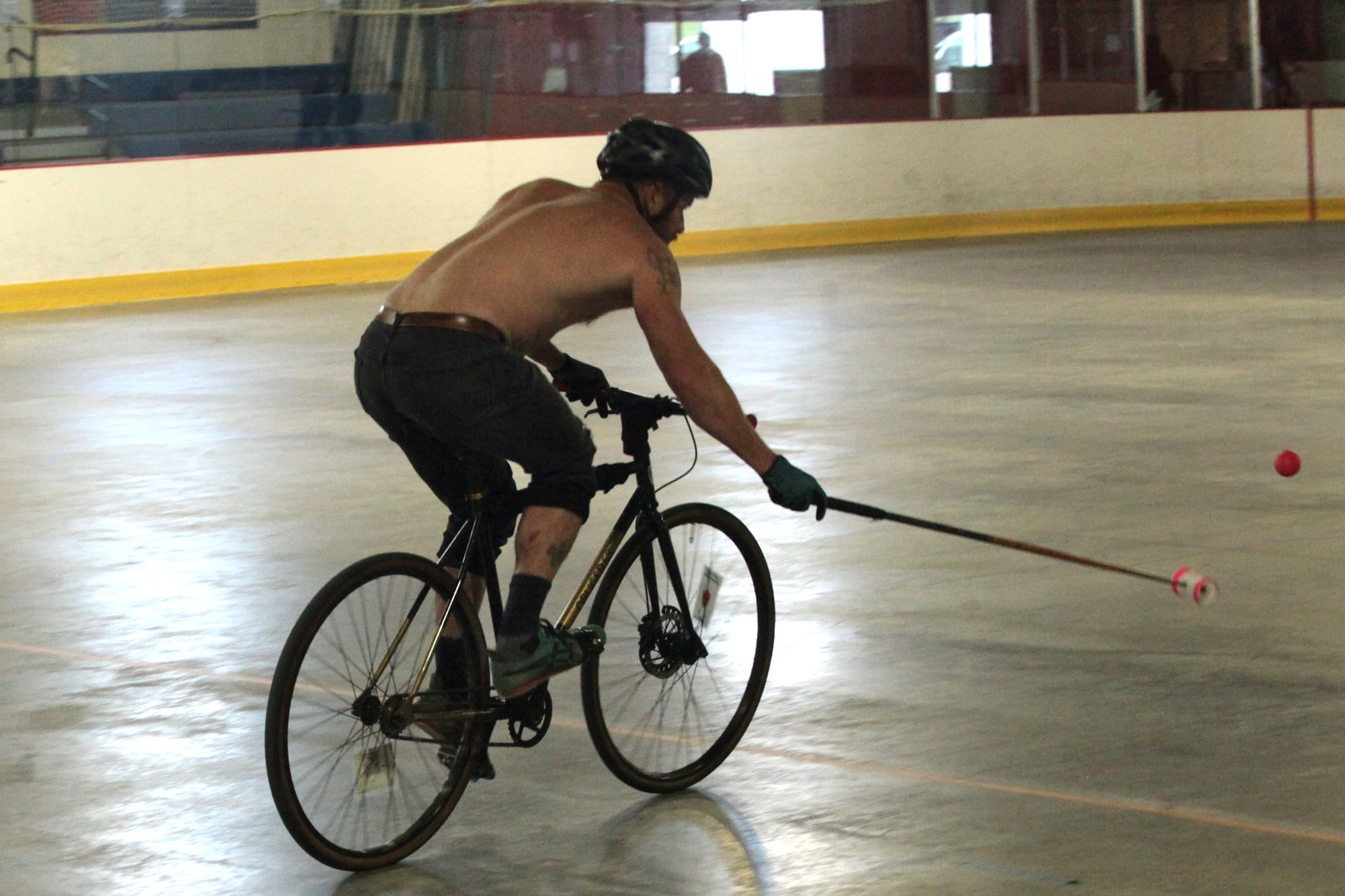
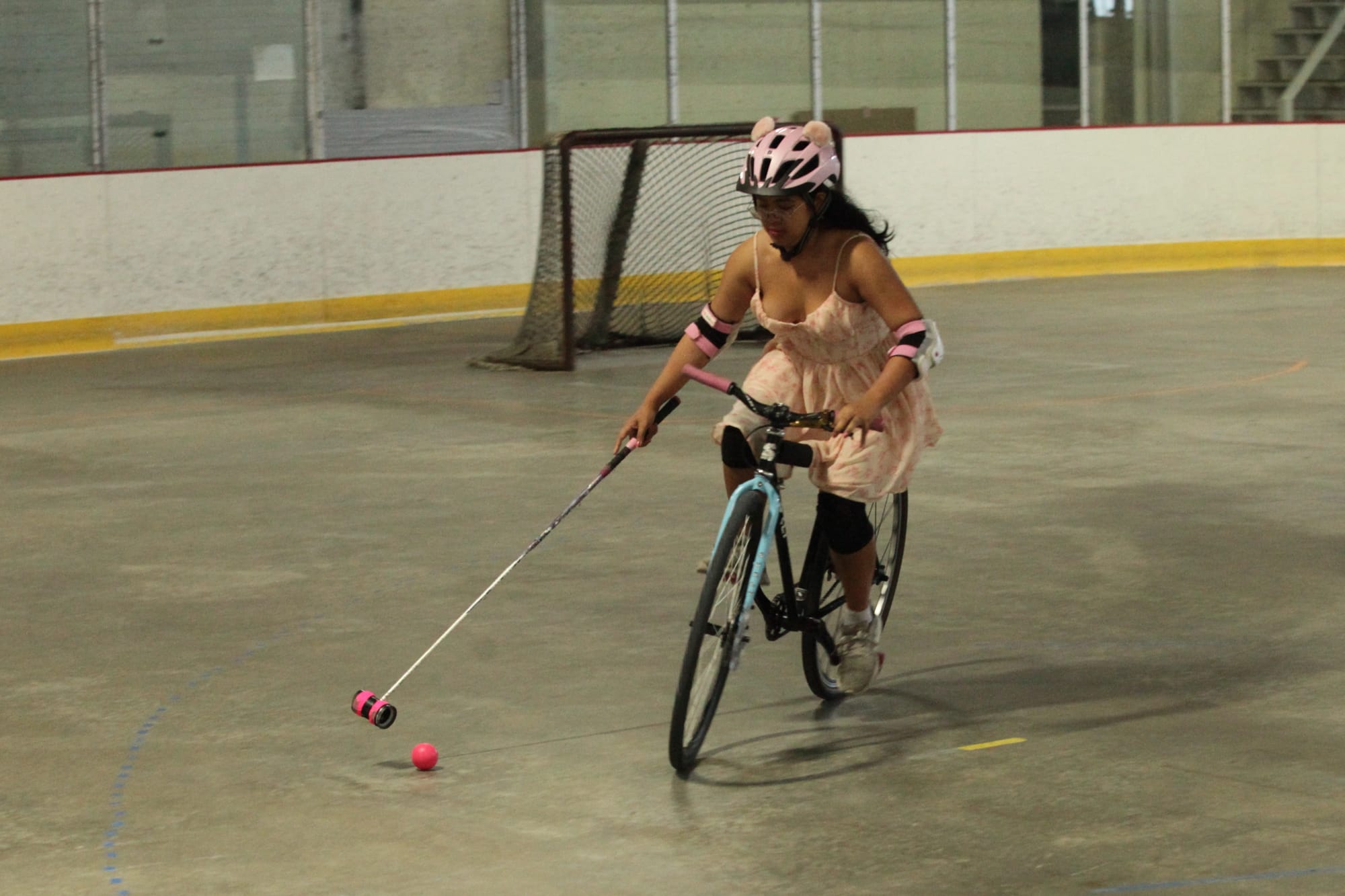
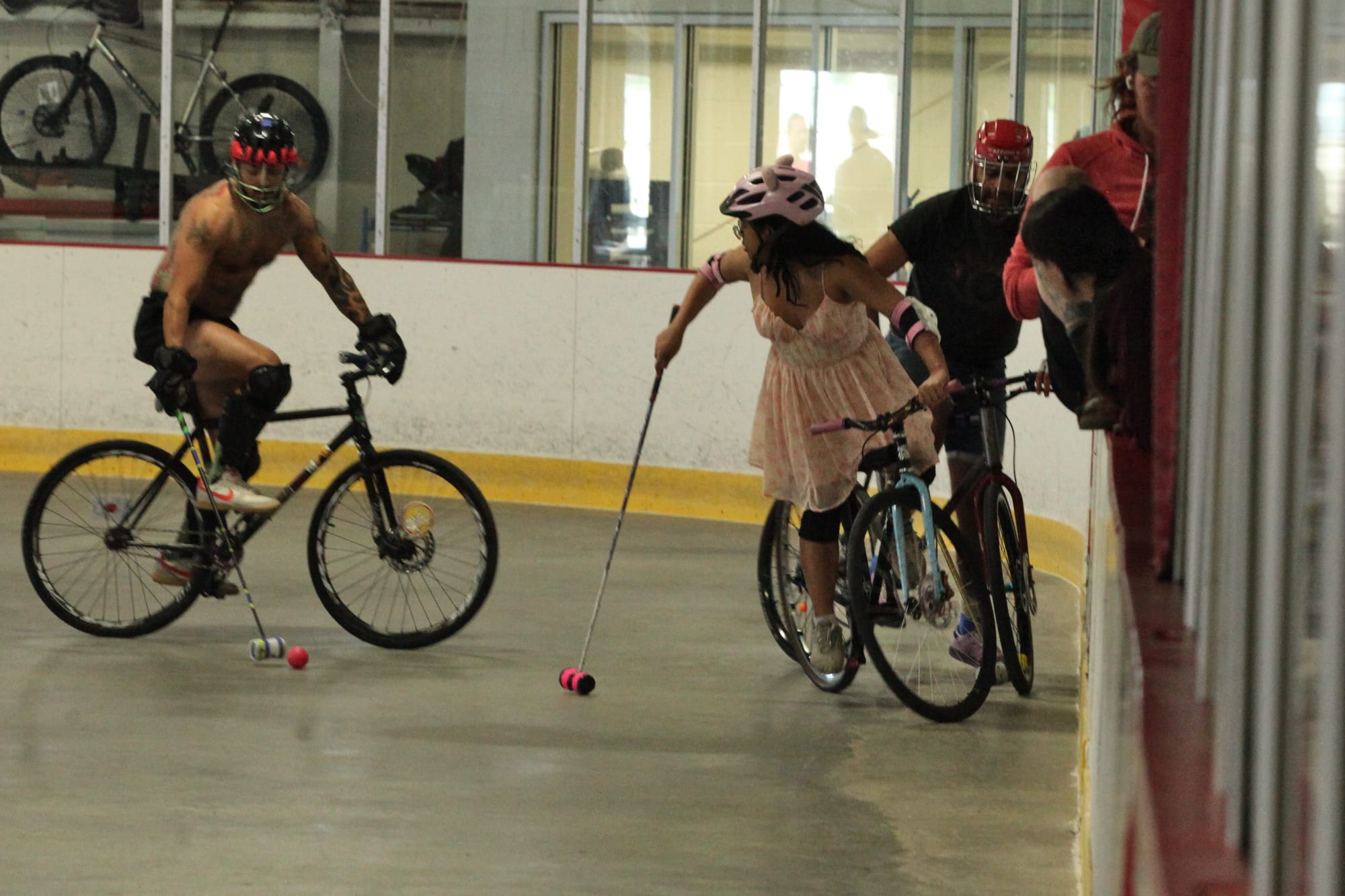
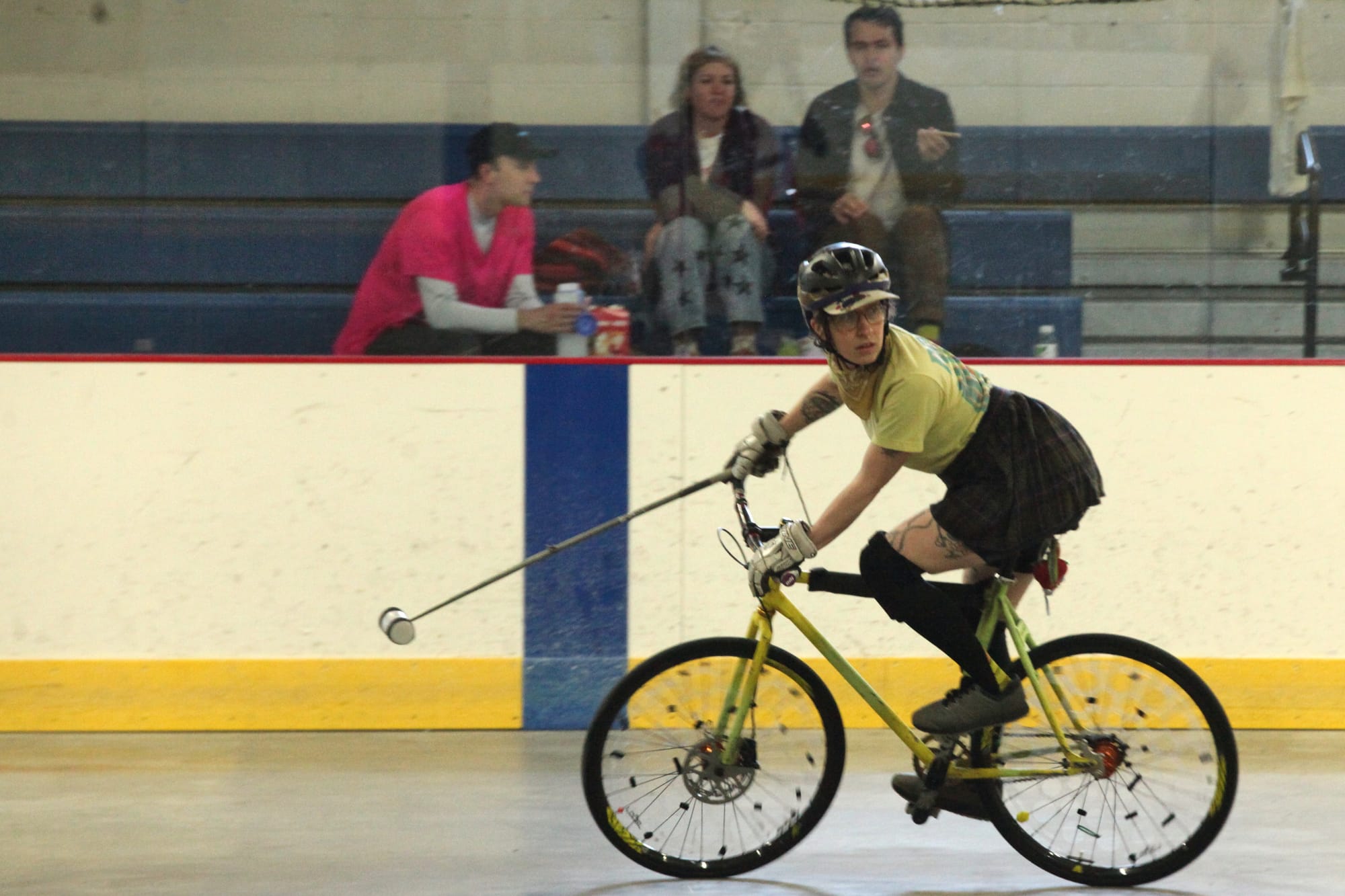
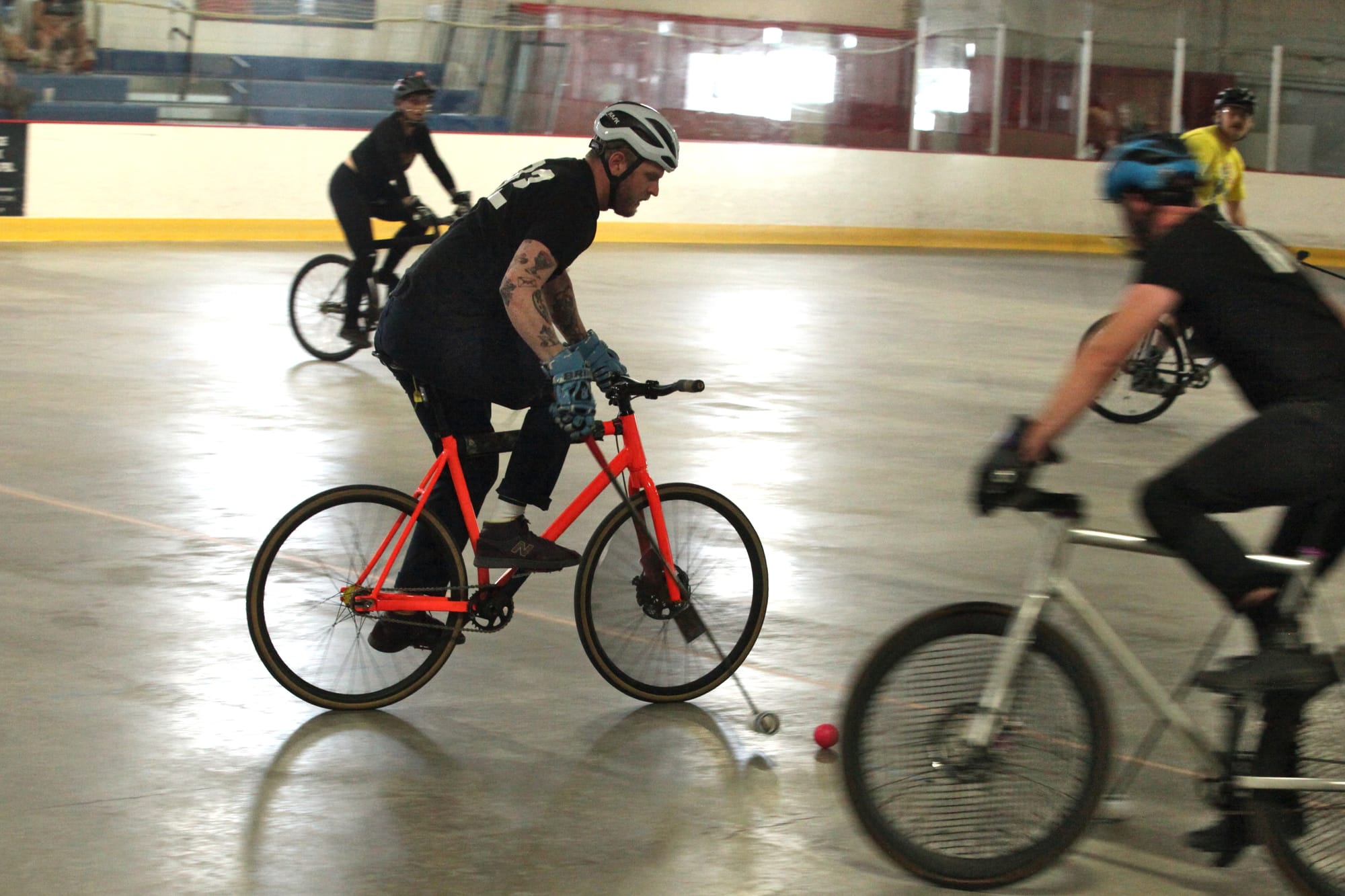
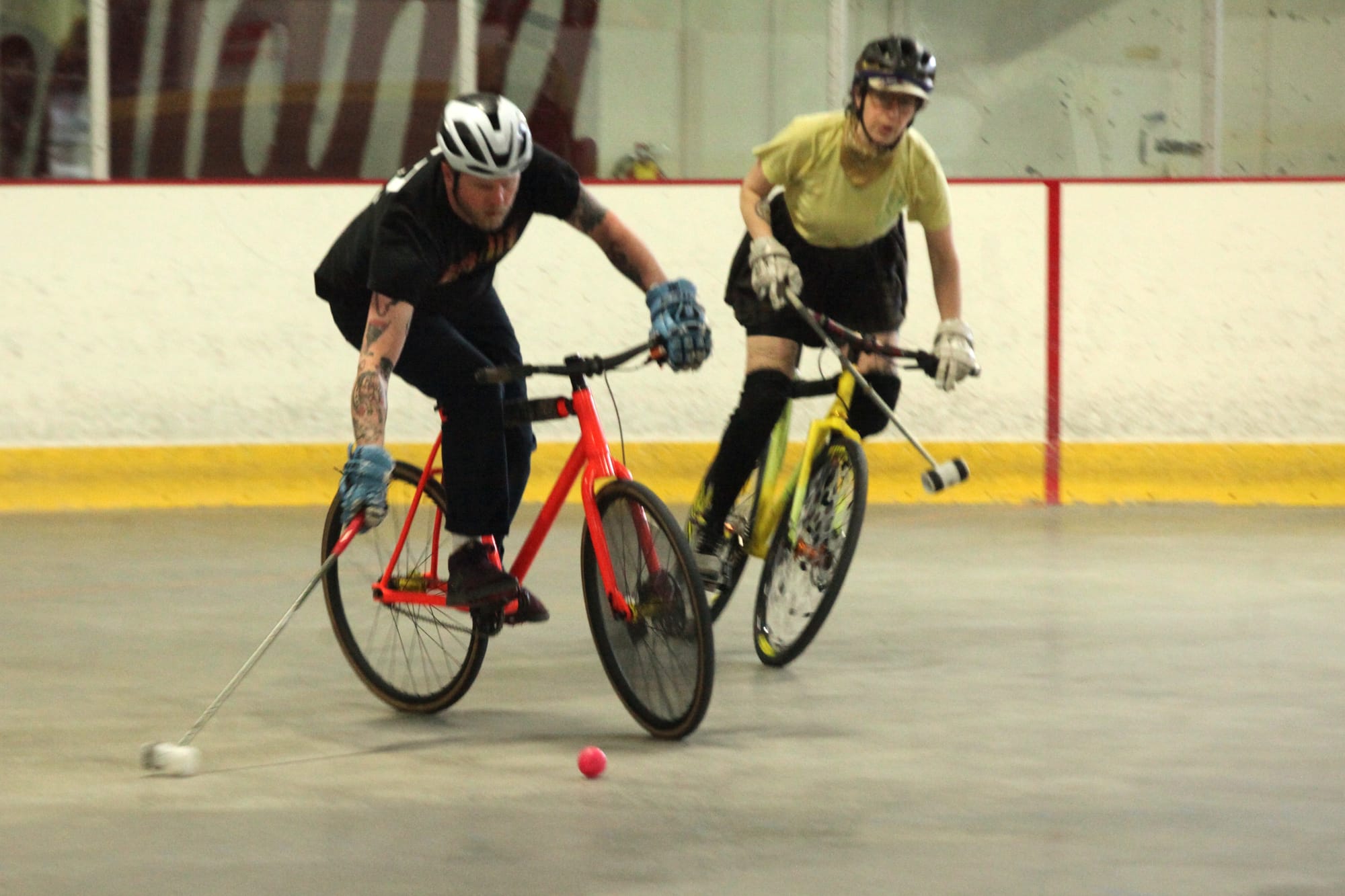
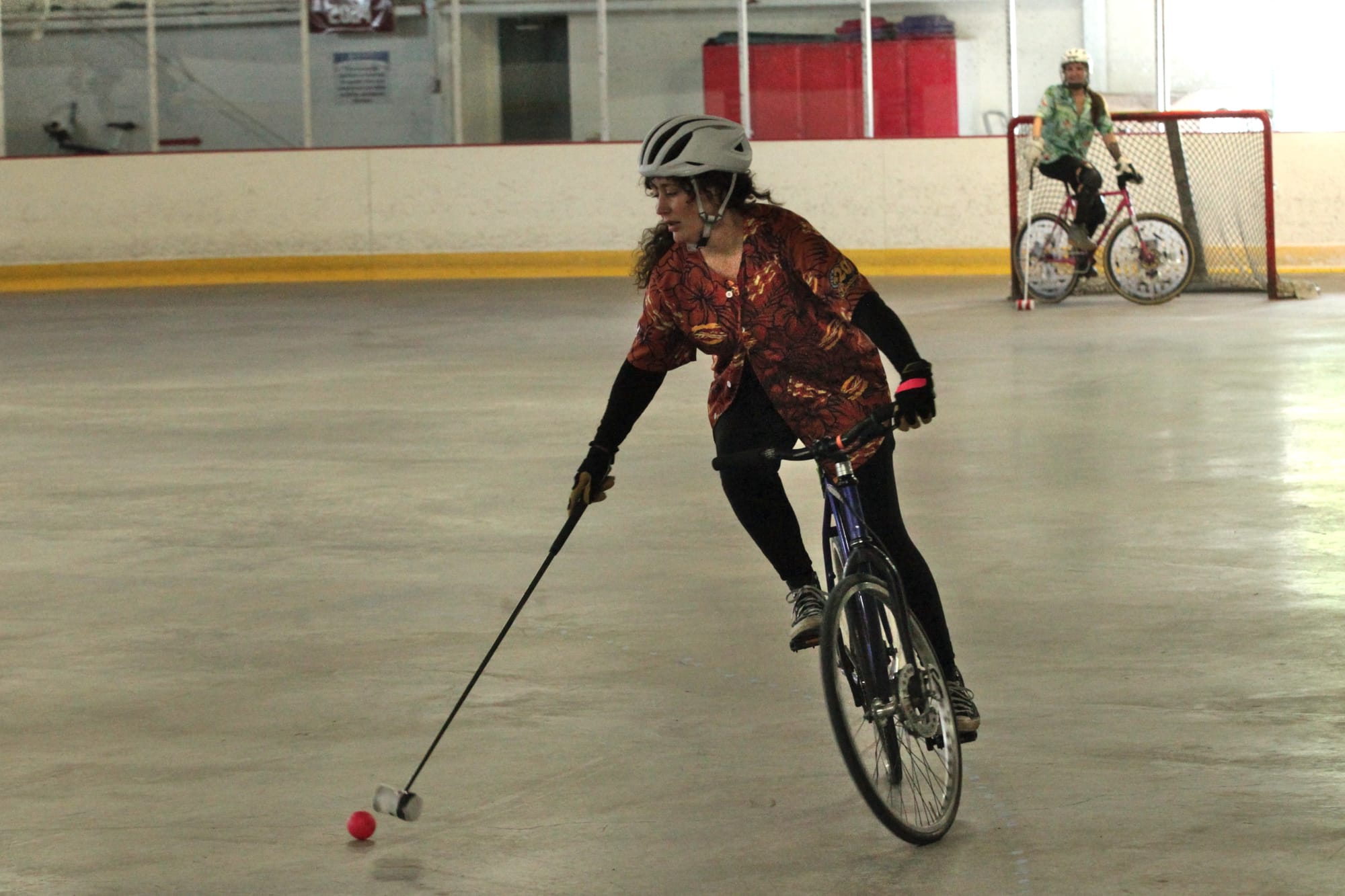
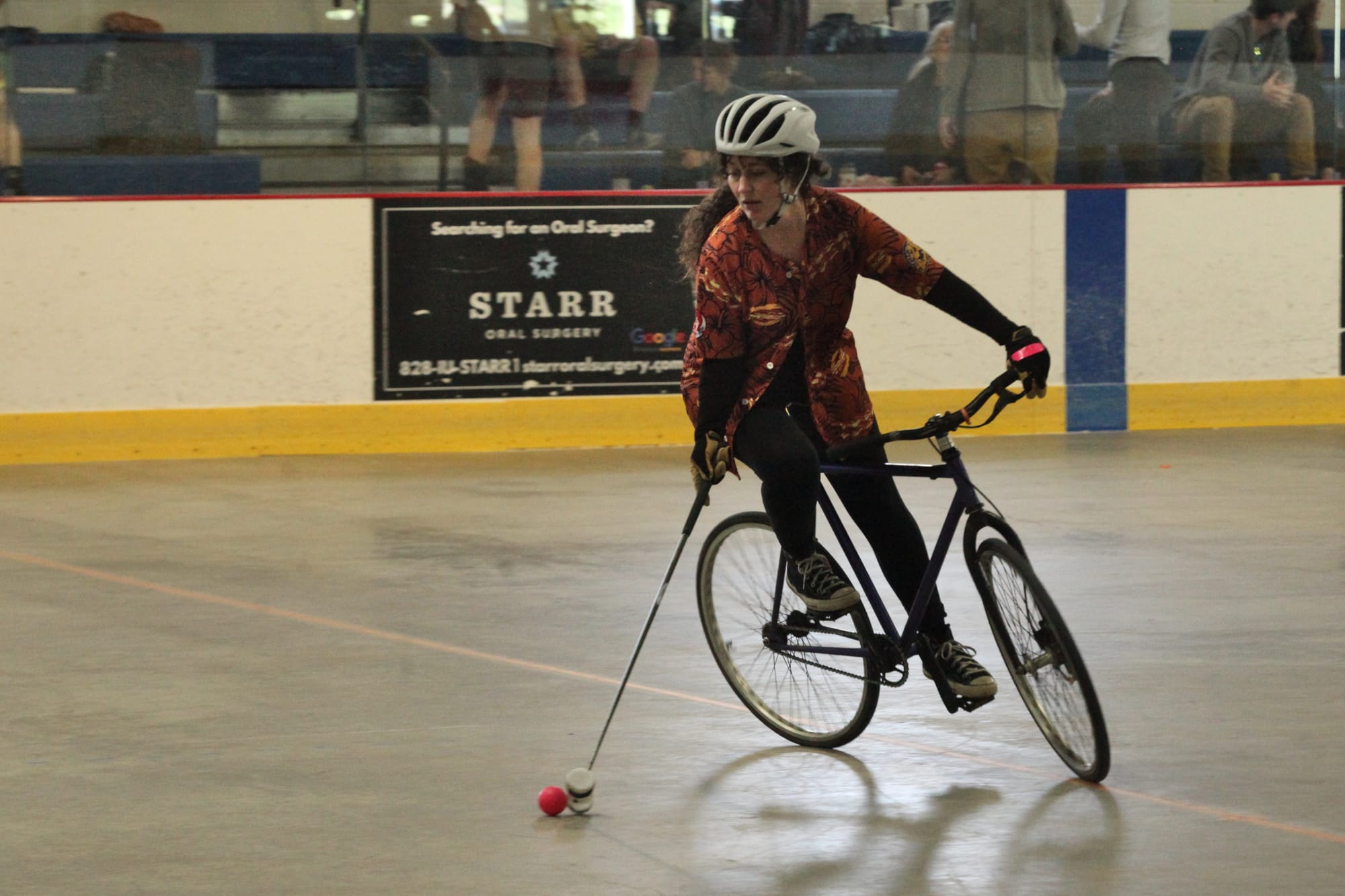
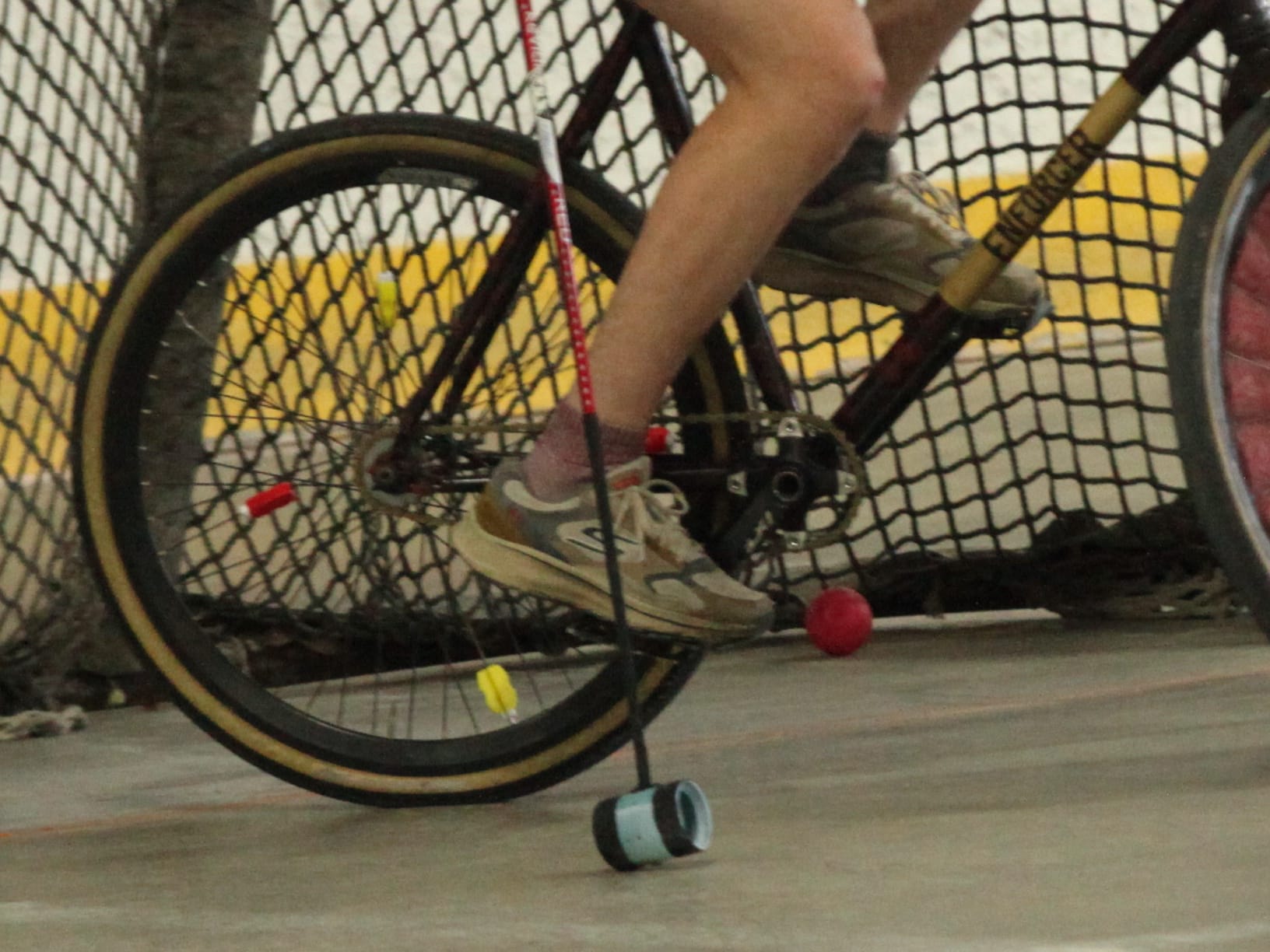
Riders steer with one hand on the handlebars and swing a mallet with the other, bashing the ball with the closed end or guiding it along with the open cup. The occasion was the Hoosier Tenderloin Classic, a two-day tournament now in its second year.
With help from other Bloomington Bike Polo Club members, the event was organized by John Arbuckle. This year’s event drew 16 teams of four players, a 64‑person field.
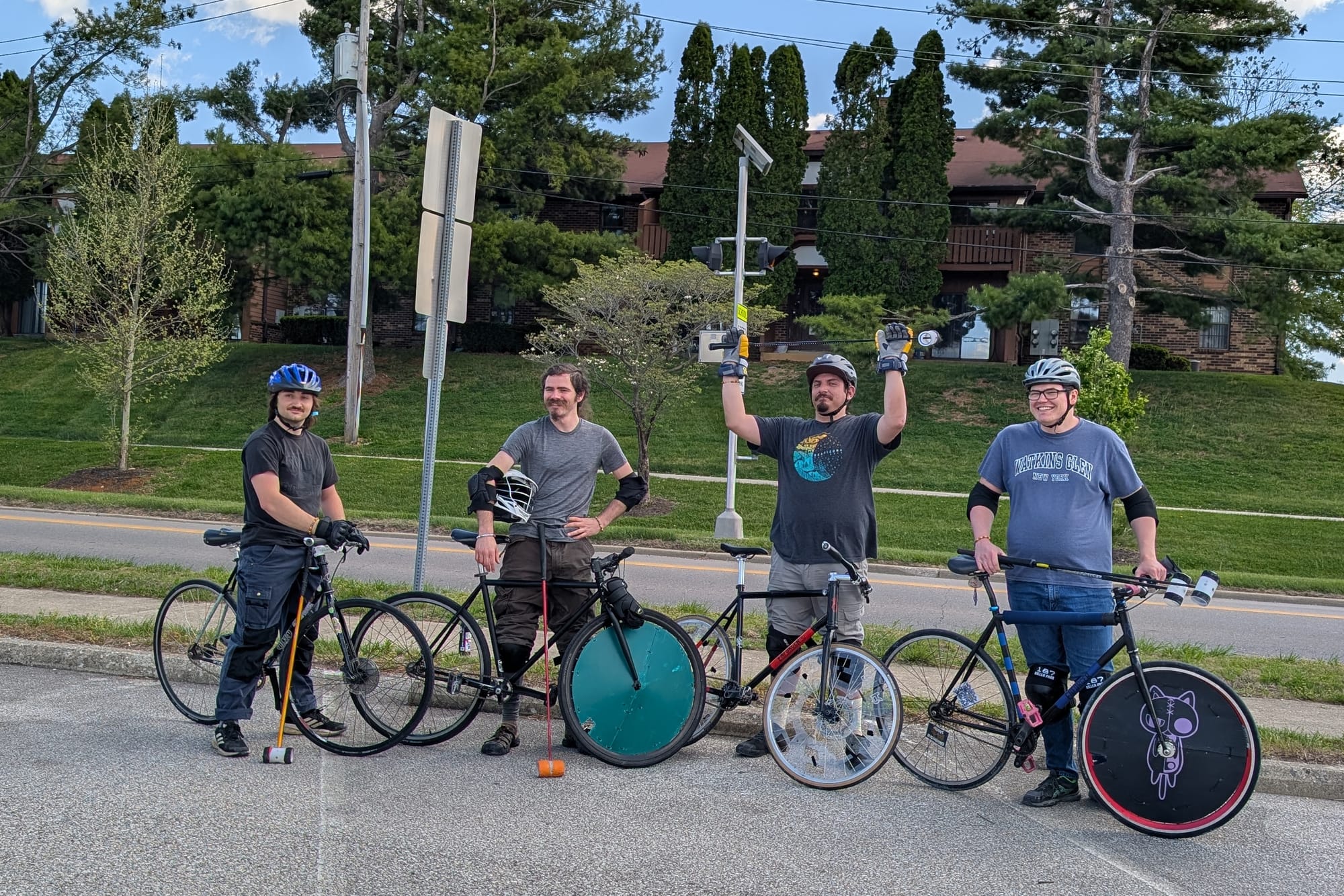
Players traveled from near and far: Louisville, Cincinnati, San Antonio, Arkansas, Michigan, Milwaukee, Memphis, and Atlanta. The tournament ran all day Saturday and all day Sunday.
The regular home field for Bloomington’s local club is at Building Trades Park off 2nd Street, on a multi-use court they share with other sports. Thursdays they go from 6 p.m. to dark and Sundays from 10 a.m. to 3 p.m. That’s a year-round schedule, Arbuckle says. The only thing that might stop a regular practice is ice and snow covering the court. Cold weather just means they bundle up, Arbuckle says.
A master plan for the city of Bloomington’s Building Trades Park leans toward pickleball courts, but Arbuckle said the club is hopeful that a least one full court will be preserved as a flexible surface for bike polo, basketball, roller derby, field hockey, or similar sports.
At Frank Southern, Arbuckle coordinated with the facility manager Chris Hamric to put on the tournament. Arbuckle told The B Square that Hamric and the city staff are “excellent to work with.” Arbuckle pointed out that the rink benefits from use as a bike polo venue because it generates off-season revenue.
How Bike Polo Works
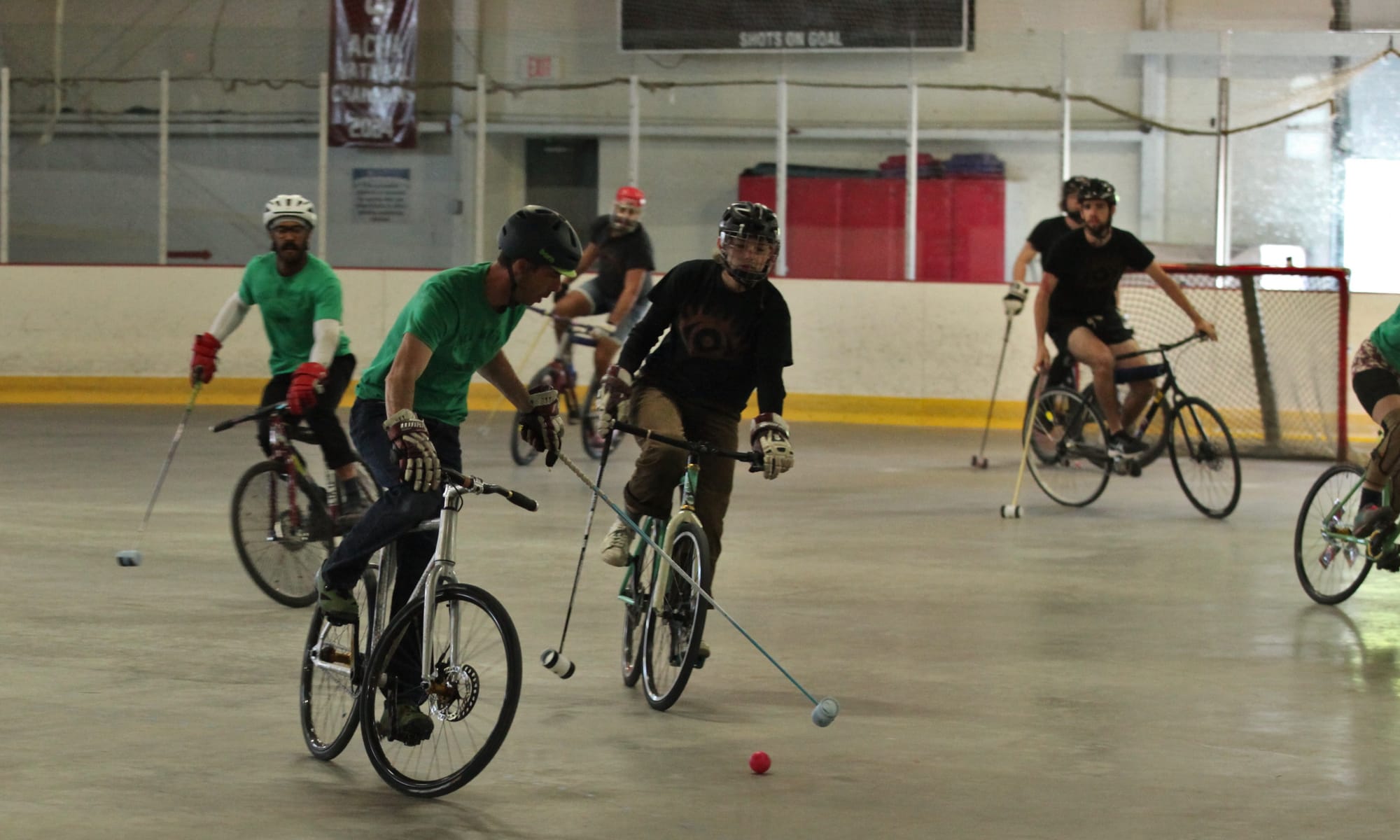
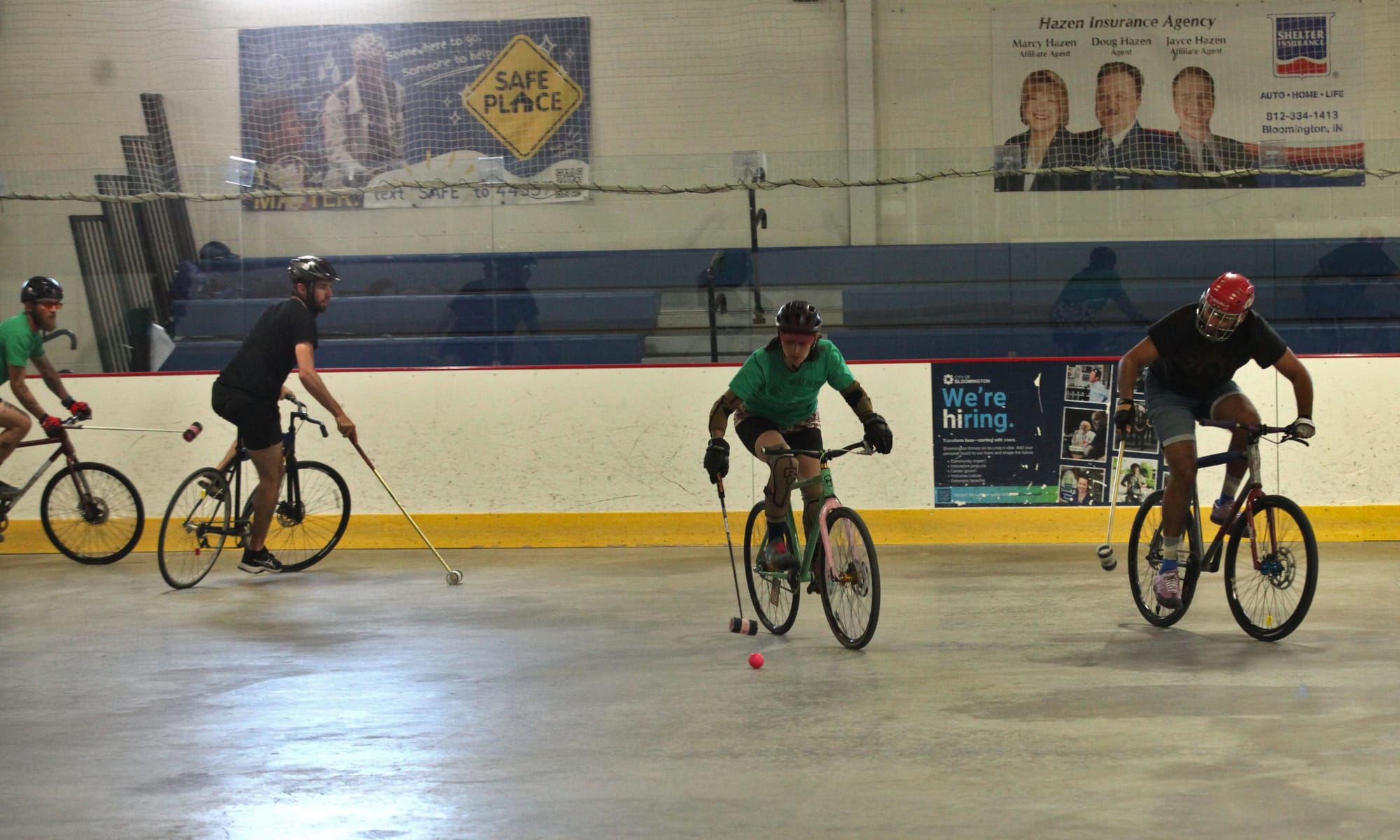
In its standard form, bike polo is a three‑on‑three game. On a rink the size of Frank Southern, however, the club has shifted the format to four‑on‑four, which inspired the “Tenderloin” name—a nod to an oversized sandwich to match the oversized court.
Play is fluid. There are no fixed positions like forwards, defenders or goalies. Players rotate through defense and attack, including duties as goaltender.
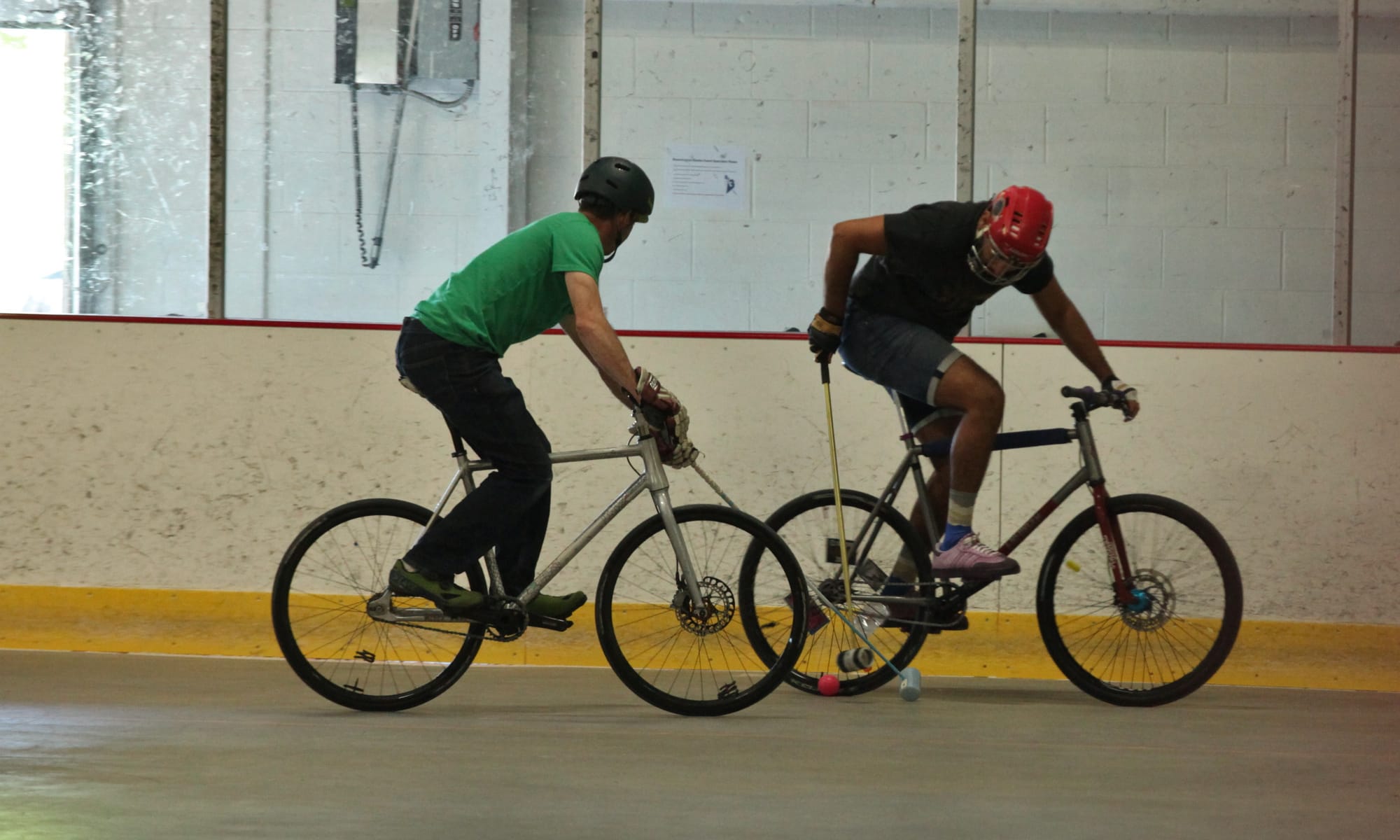
Players have to stay on their bikes at all times. If a player puts a foot on the ground, that’s a “dab” or a “foot down,” which means they have to sprint to the center line and tap the wall before they can re‑enter play. If a player is ignoring a loose ball, it’s often because that rider is briefly out of the game, racing to hit the wall and come back in.
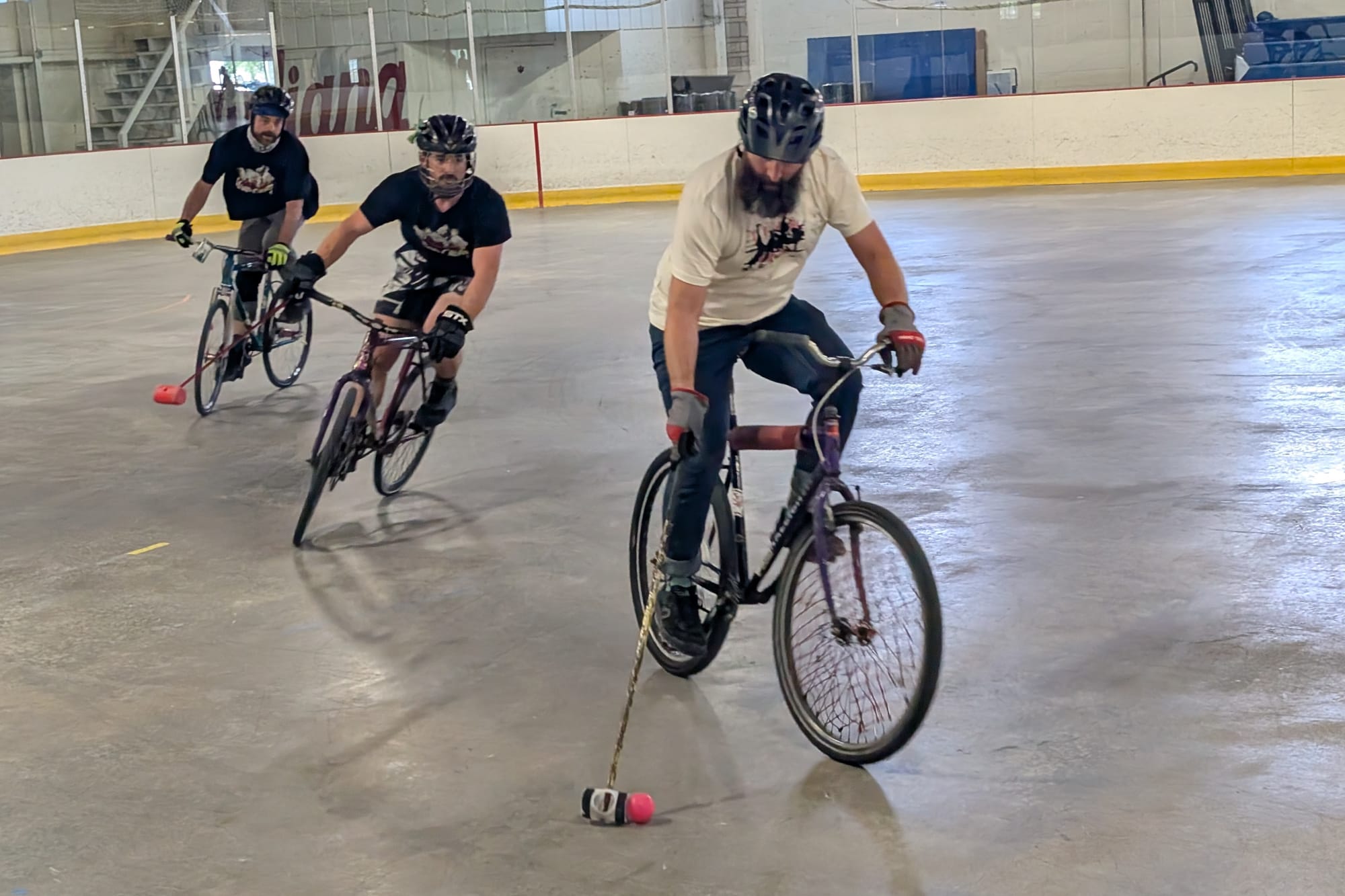
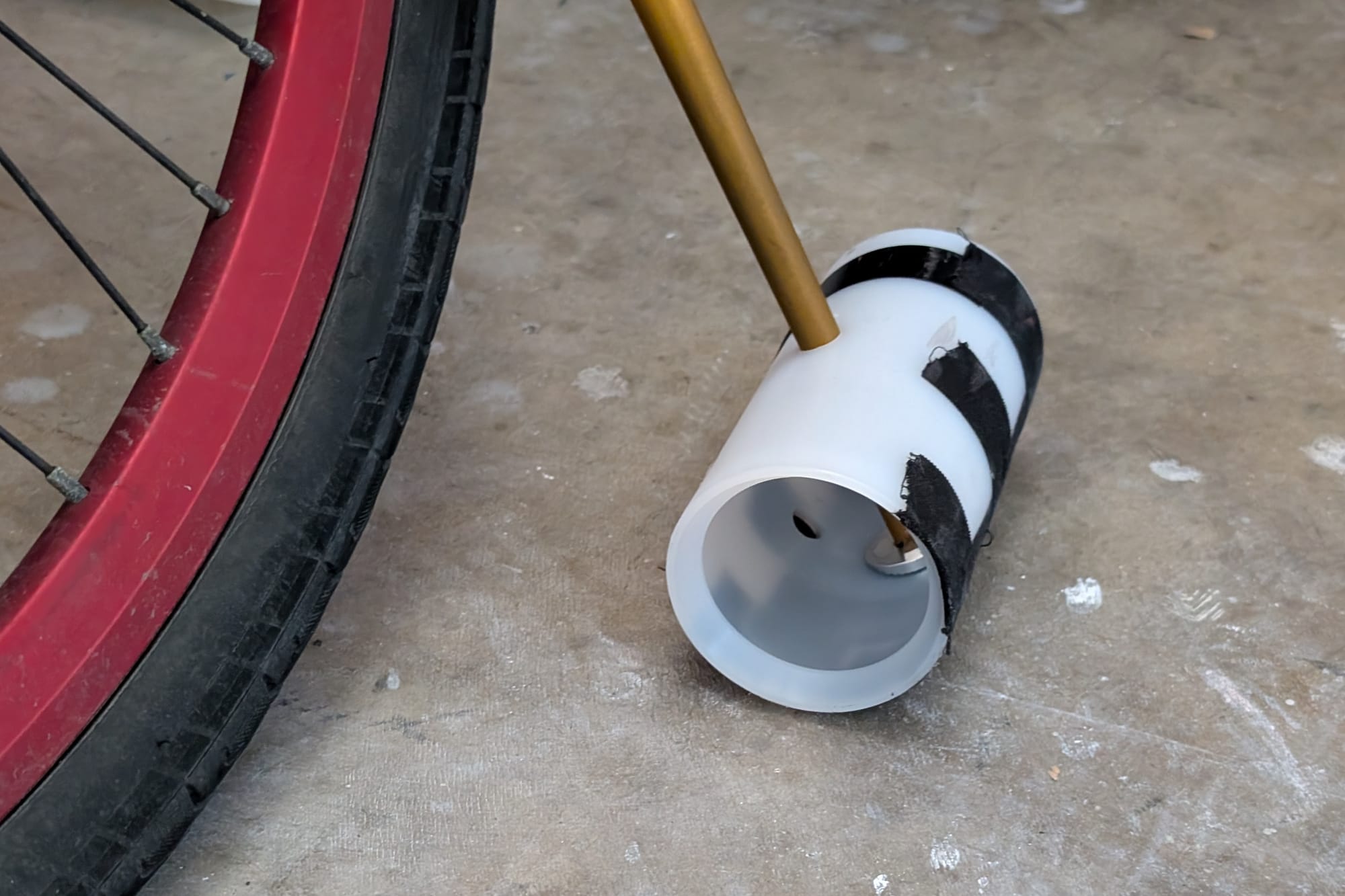
The mallet has two striking surfaces. One is a solid “shot” end and the other a cup‑shaped side. Goals have to be scored with the solid side. Using the cup to “scoop” the ball into the net doesn’t count. But the cupped side of the mallet can be used to collect the ball and drag it along.
Tournament format
The Hoosier Tenderloin Classic spreads its competition over two days. On Saturday, teams play five seeding rounds. That means the results from one round determine a team’s next opponent, so winning teams keep meeting other winners and losing teams face other teams with losses. That keeps the level of competition relatively even through the day.
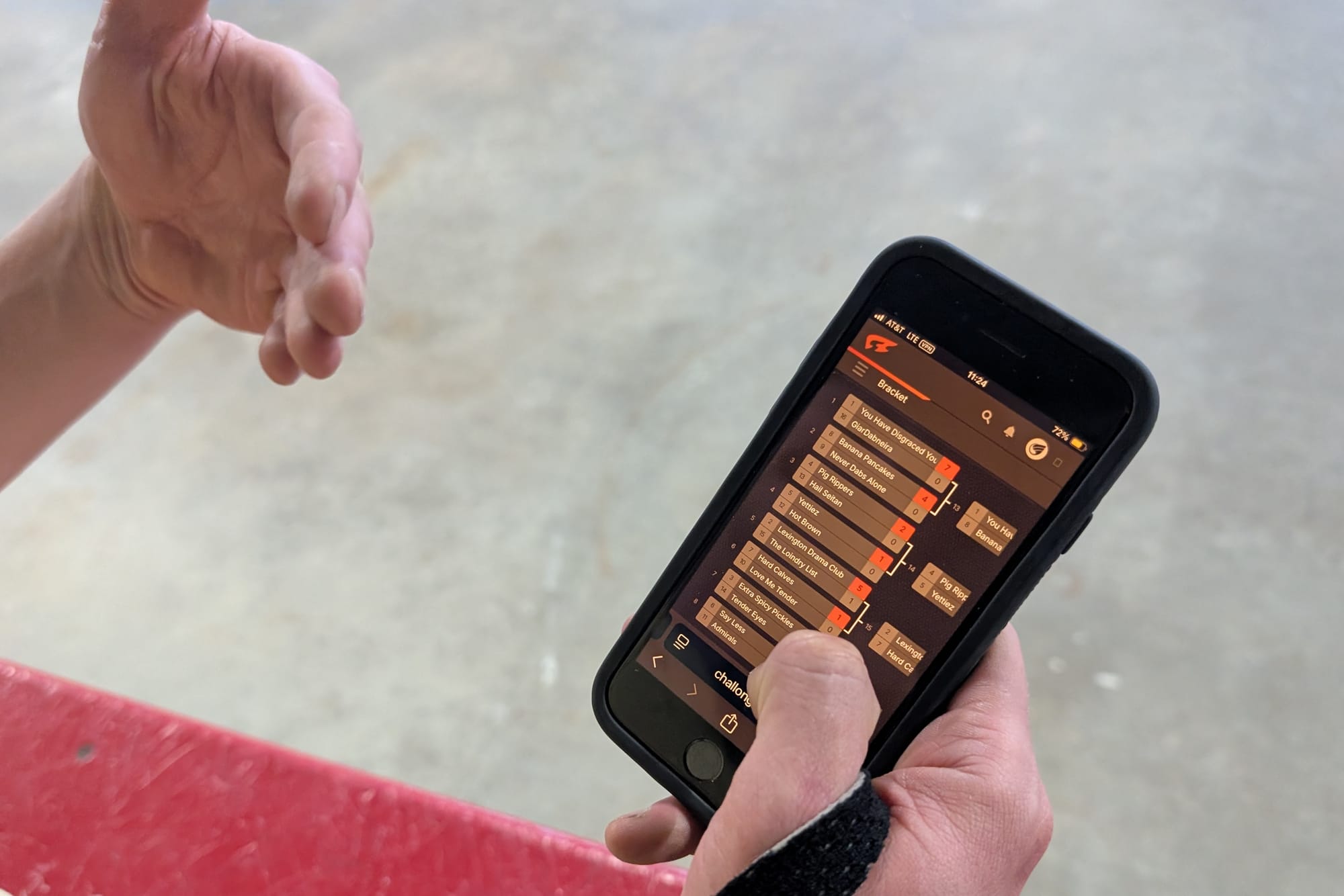
At the end of the seeding rounds, teams are ranked one through 16 for Sunday’s double‑elimination bracket. The top seeds face the lowest seeds. The number one seed plays the sixteen seed, two plays fifteen, and so on. Teams have to lose twice to be knocked out. Even a team that drops its first game can still work its way back to the final from the lower bracket. But in the championship round it would have to beat an undefeated upper‑bracket winner twice to claim the tournament championship.
For the Tenderloin Classic, if the 15 minutes of regulation play ended in a tie, there was a 3-minute overtime period. If there was still a tie, it was resolved with penalty shots. The penalty shots were taken outside in the parking lot, to free up the hockey rink for the next game. To finish all the games by the end of the day meant there was no time for dawdling between contests.
Last year’s debut tournament drew 10 teams, Arbuckle said. This year’s second edition has grown to 16, which is a point of pride. Arbuckle says there will be another Hoosier Tenderloin Classic in 2027. He also says to keep an eye out for another tournament this fall, before the rink at Frank Southern is iced for winter hockey.
Video: A winning penalty shot
Hoosier Tenderloin Classic bicycle polo Tournament. (Dave Askins, April 19, 2026)
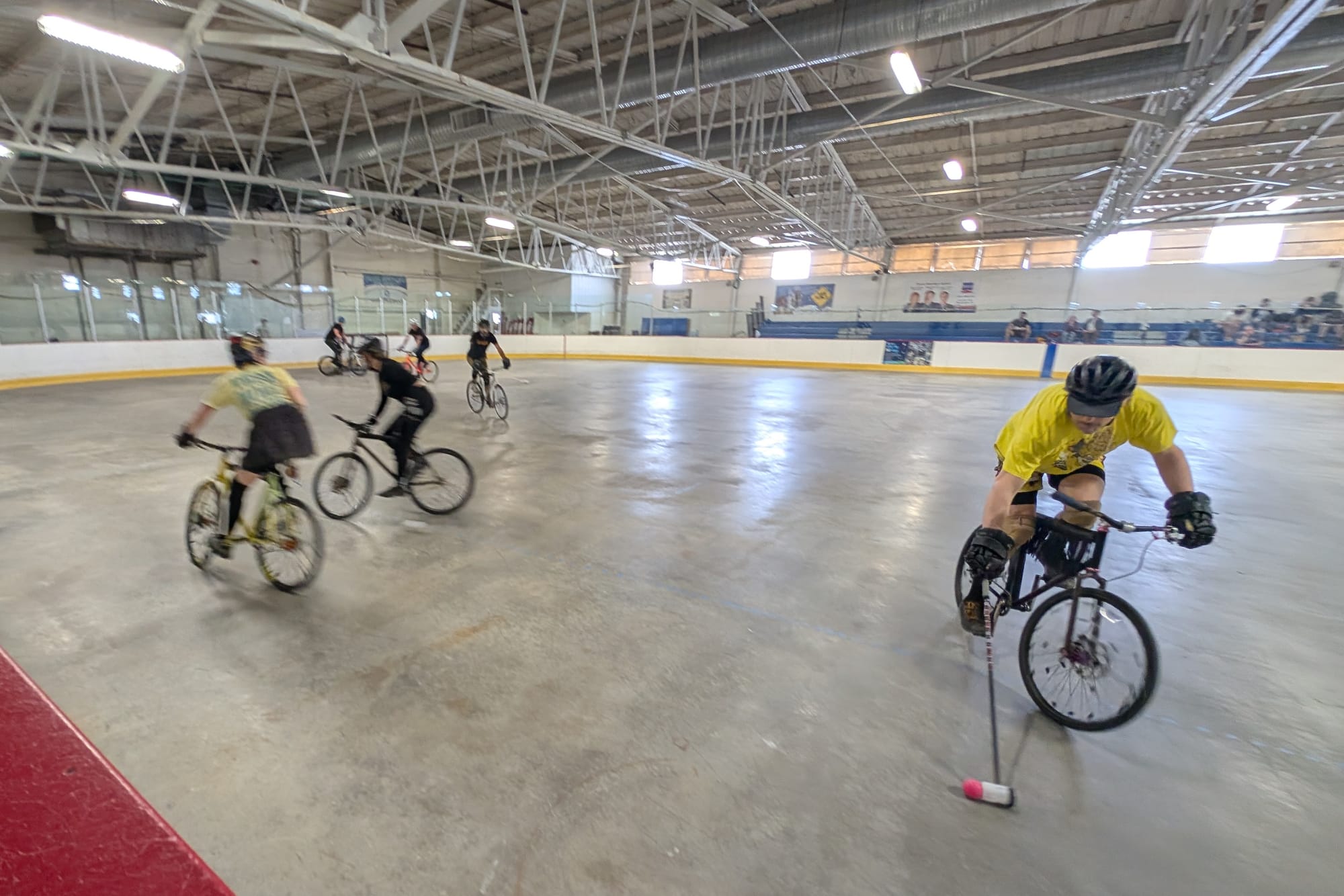
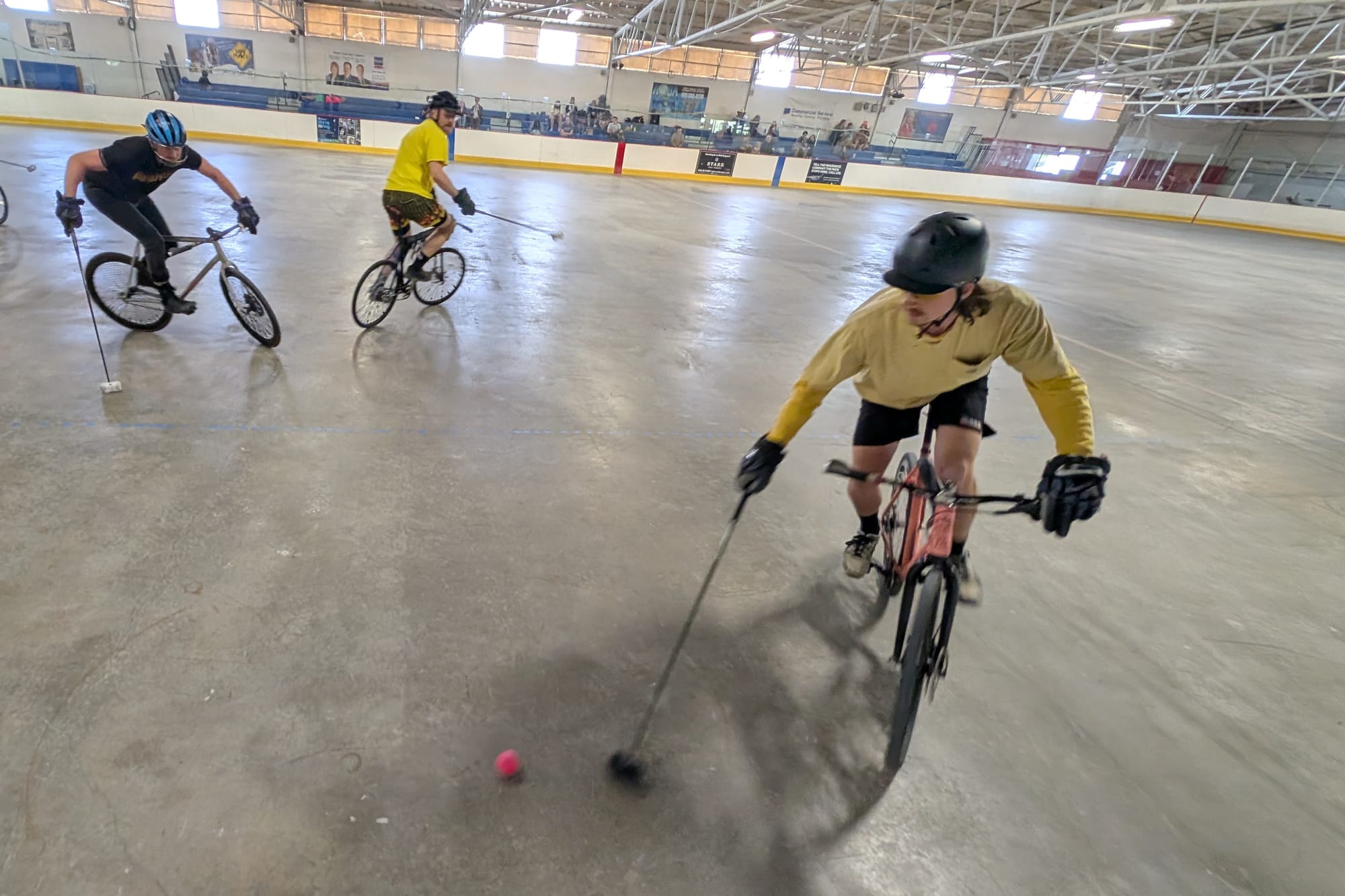
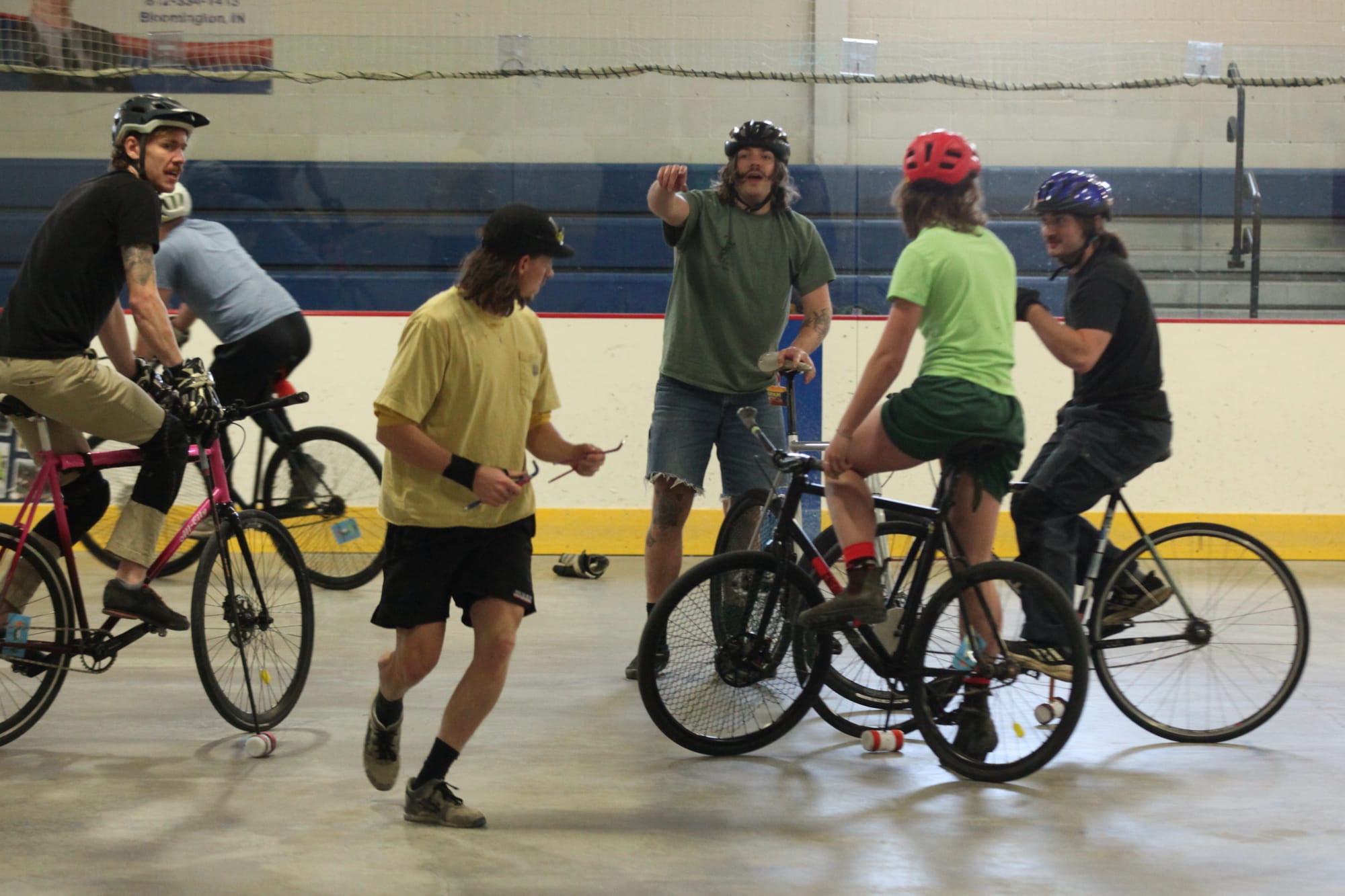
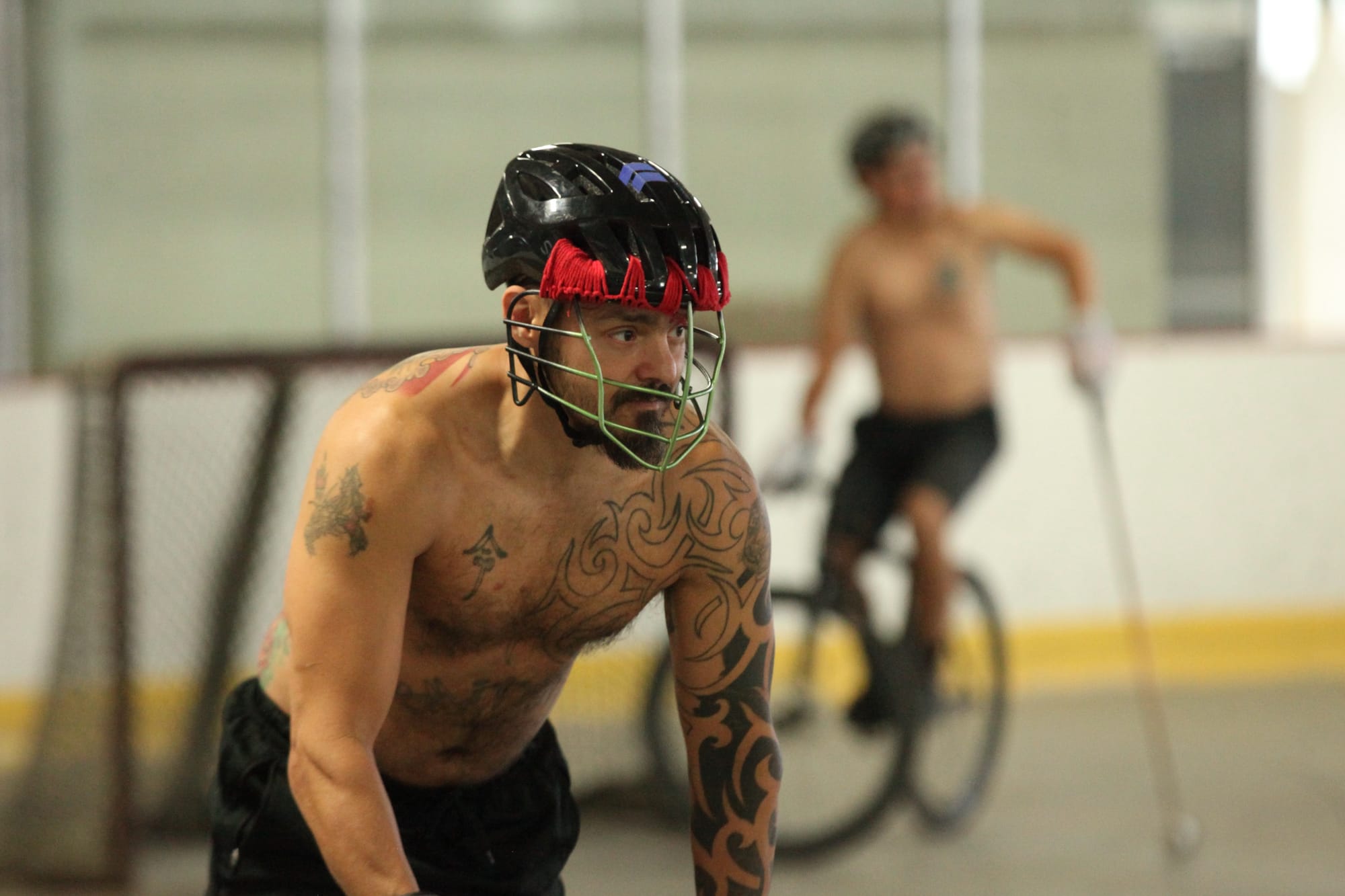
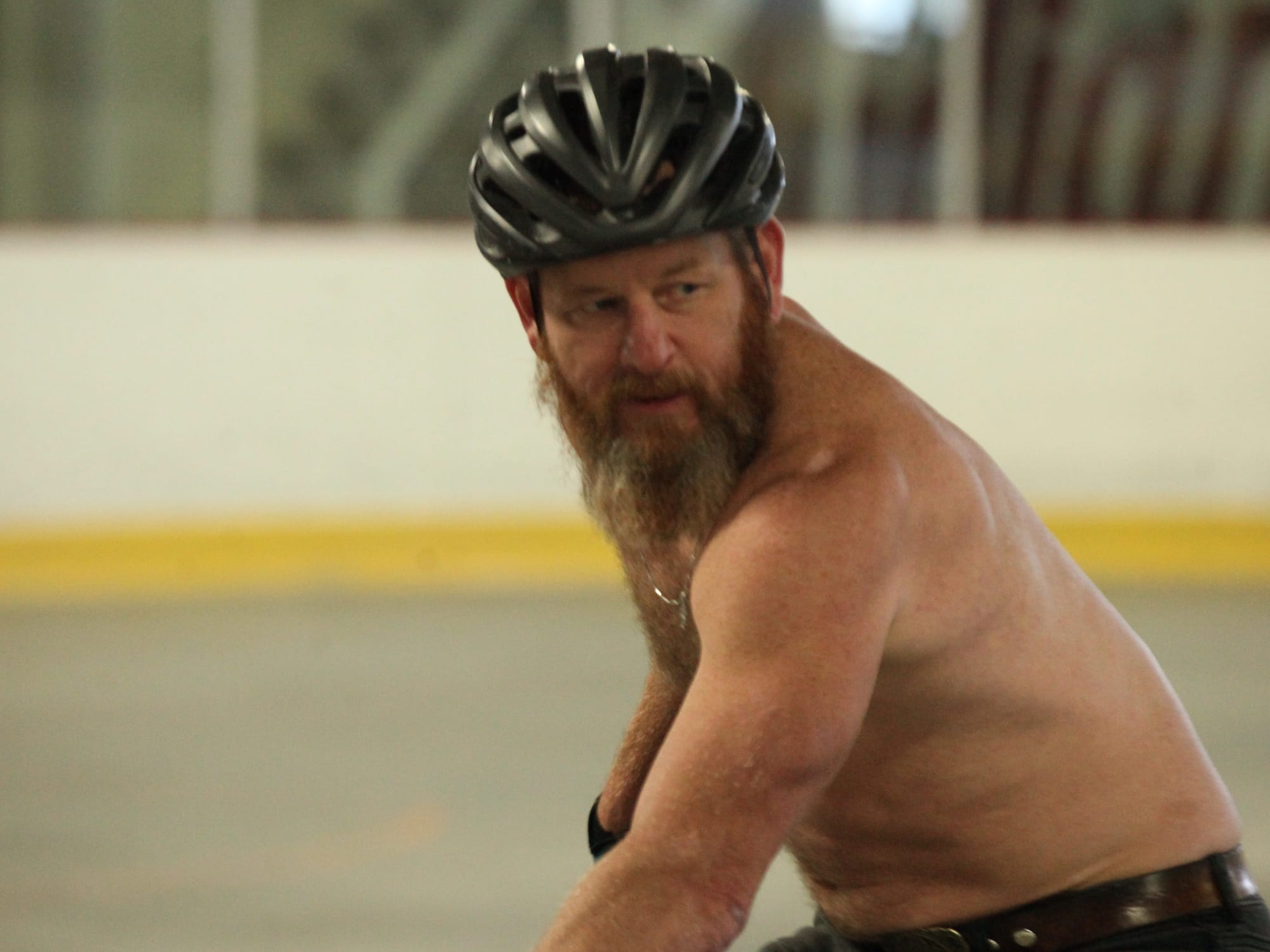
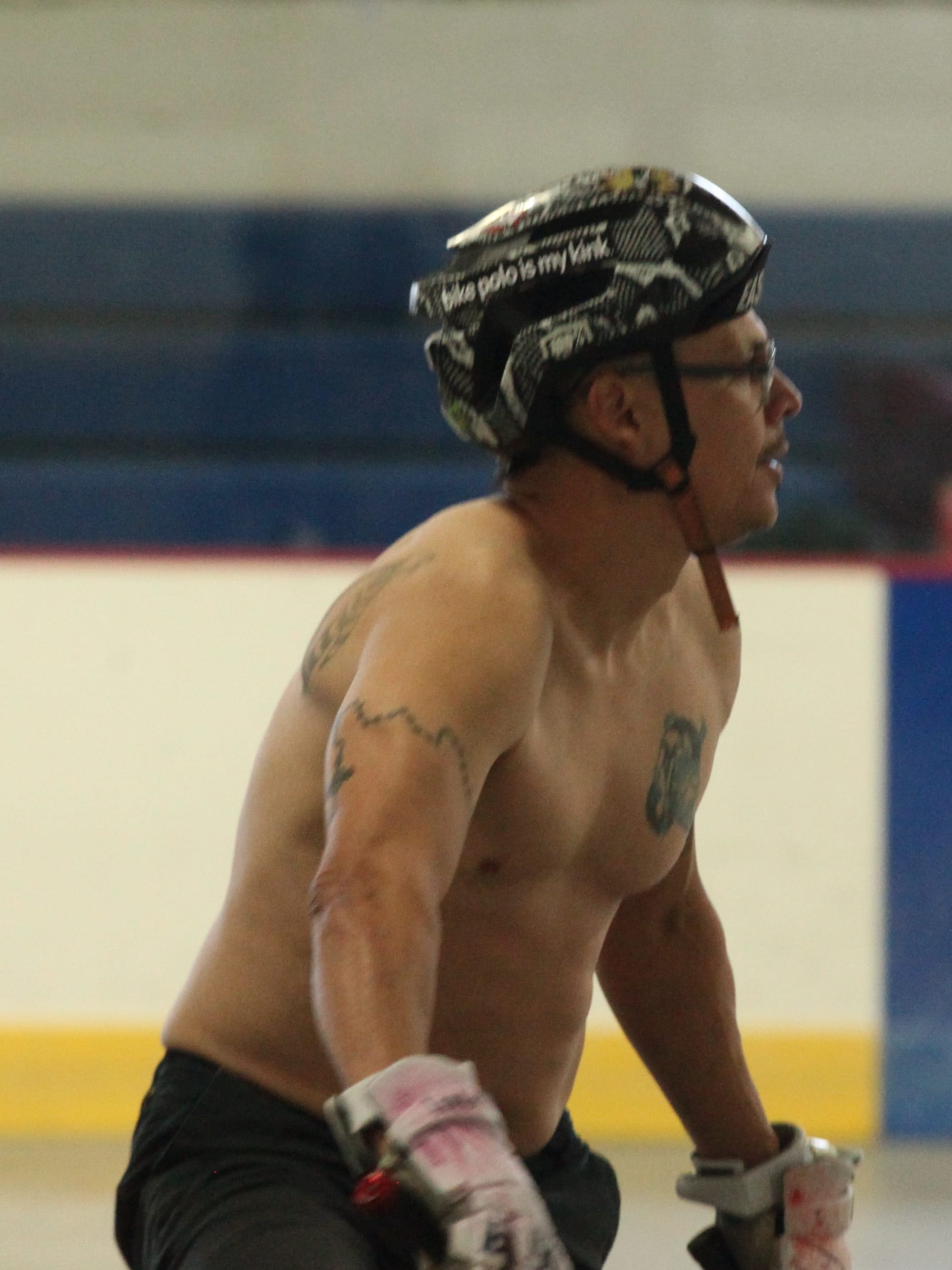
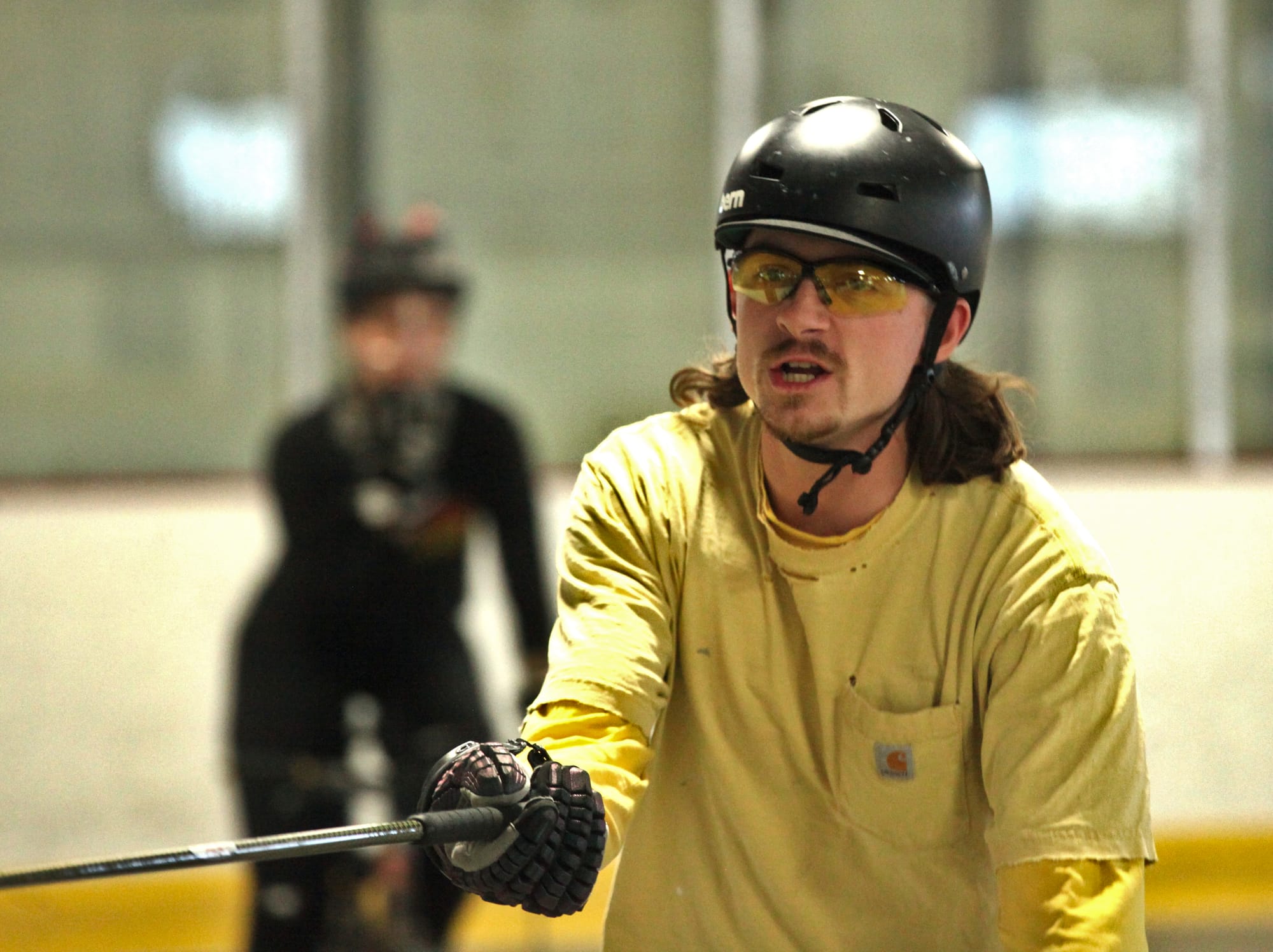
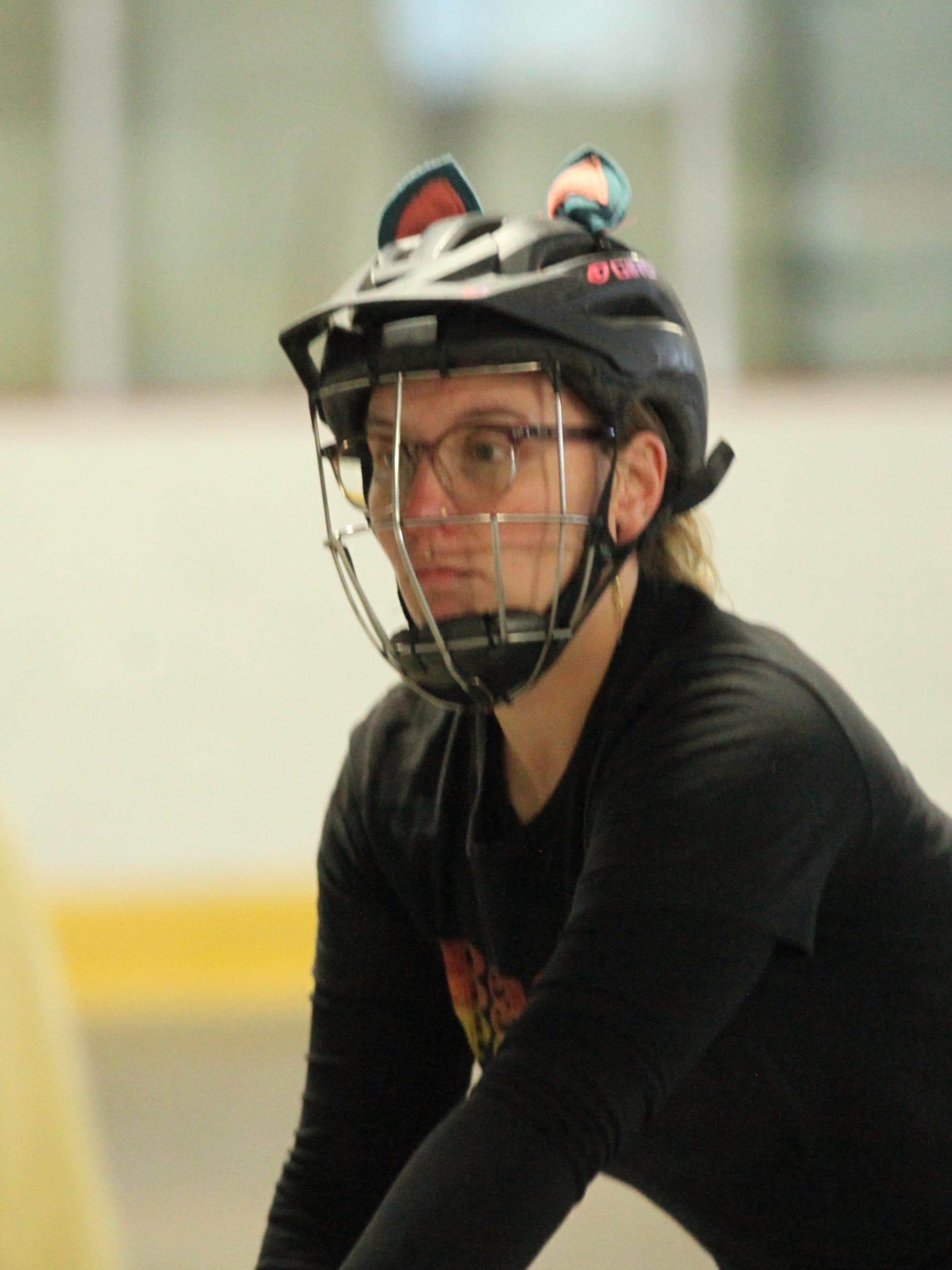
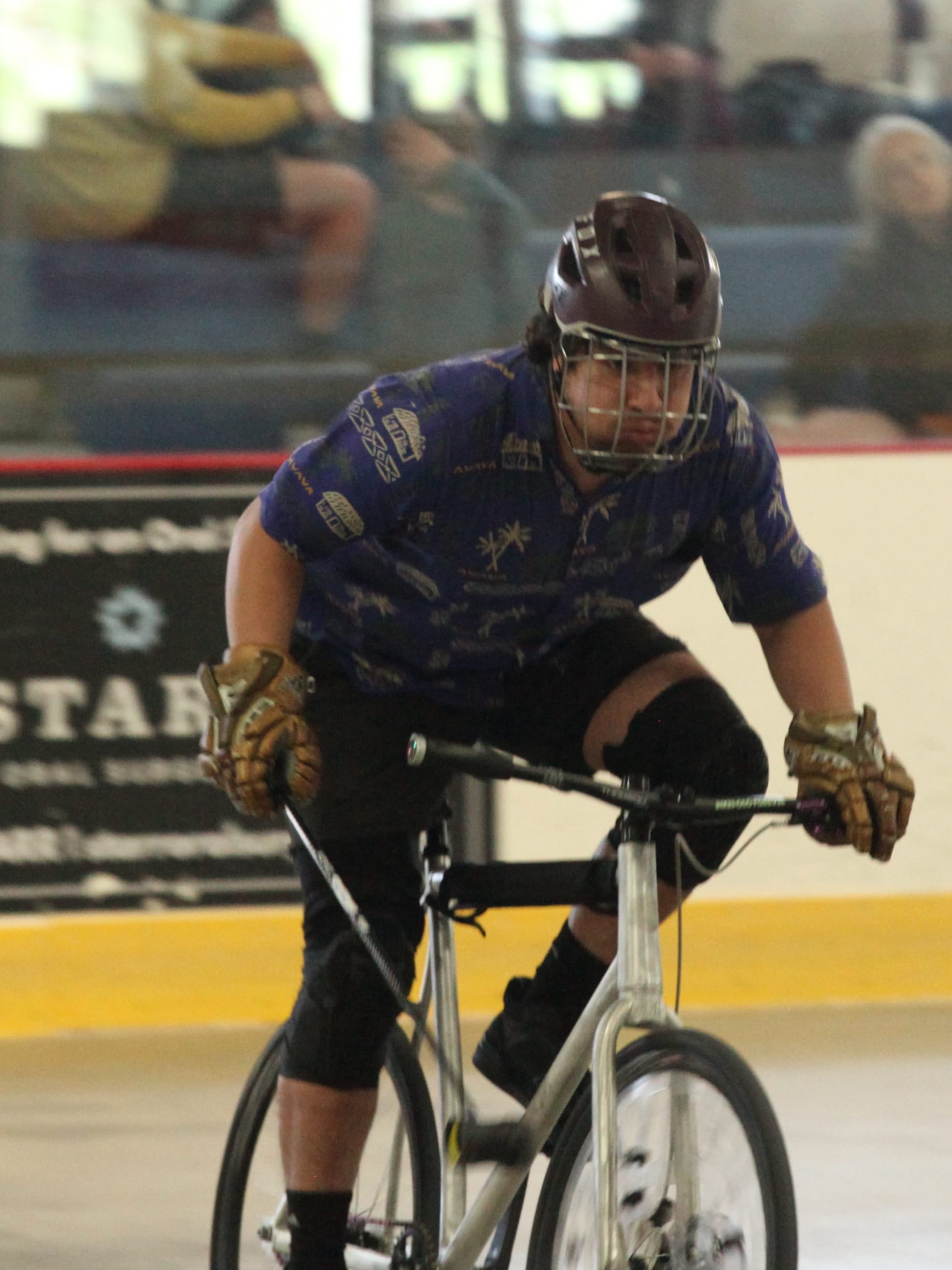
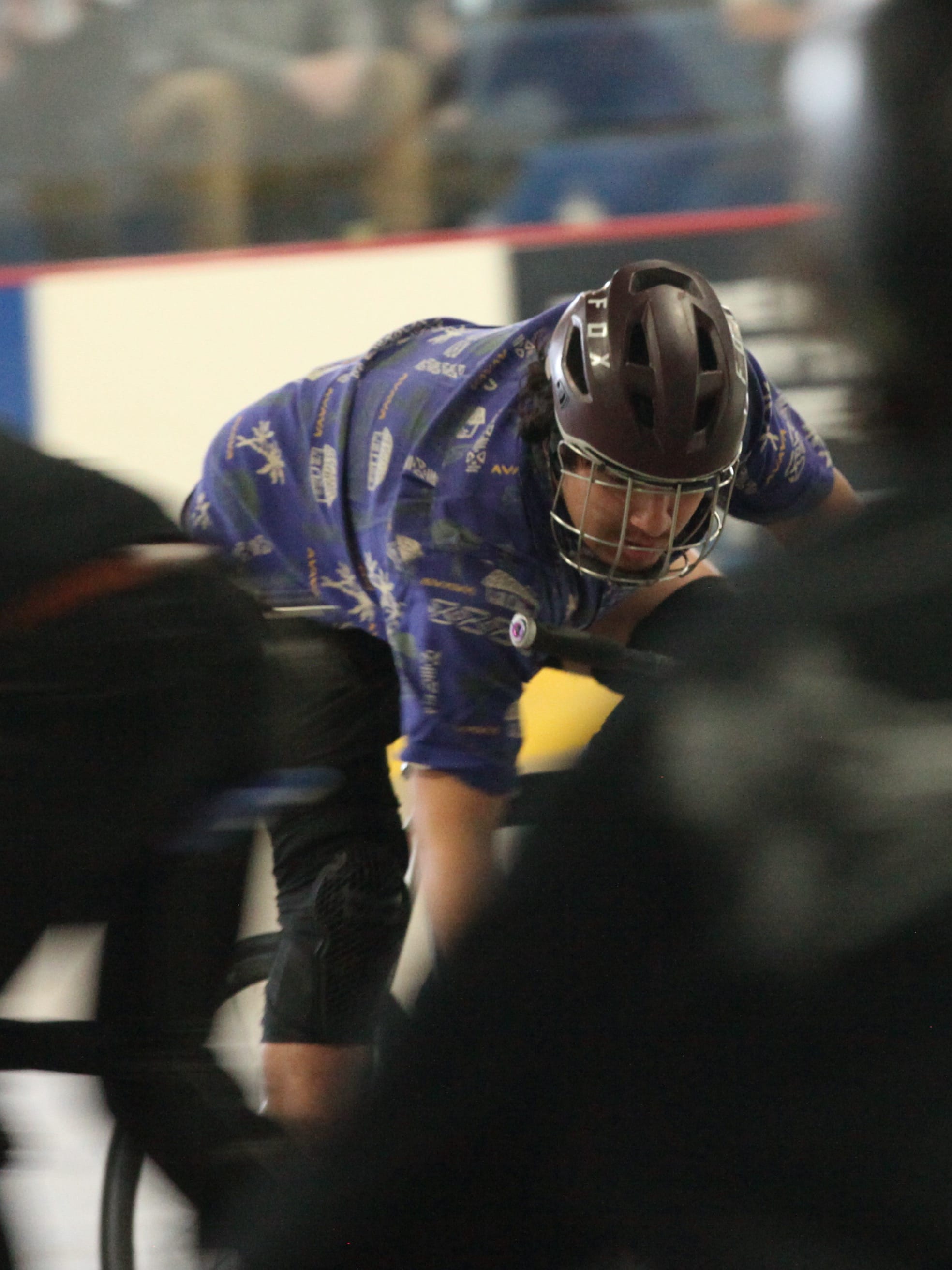
Photos: Hoosier Tenderloin Classic 2026
[Click on any photo, to arrow or swipe through all the images at full-screen size.]

Comments ()