
Bloomington man released from jail after second arrest under Indiana’s new street-camping law
A man arrested for the second time this month under Indiana’s new street-camping law was ordered released from the Monroe County jail Monday. Judge Darcie Fawcett released nine of 13 people appearing from custody during the largely procedural initial-hearing docket.
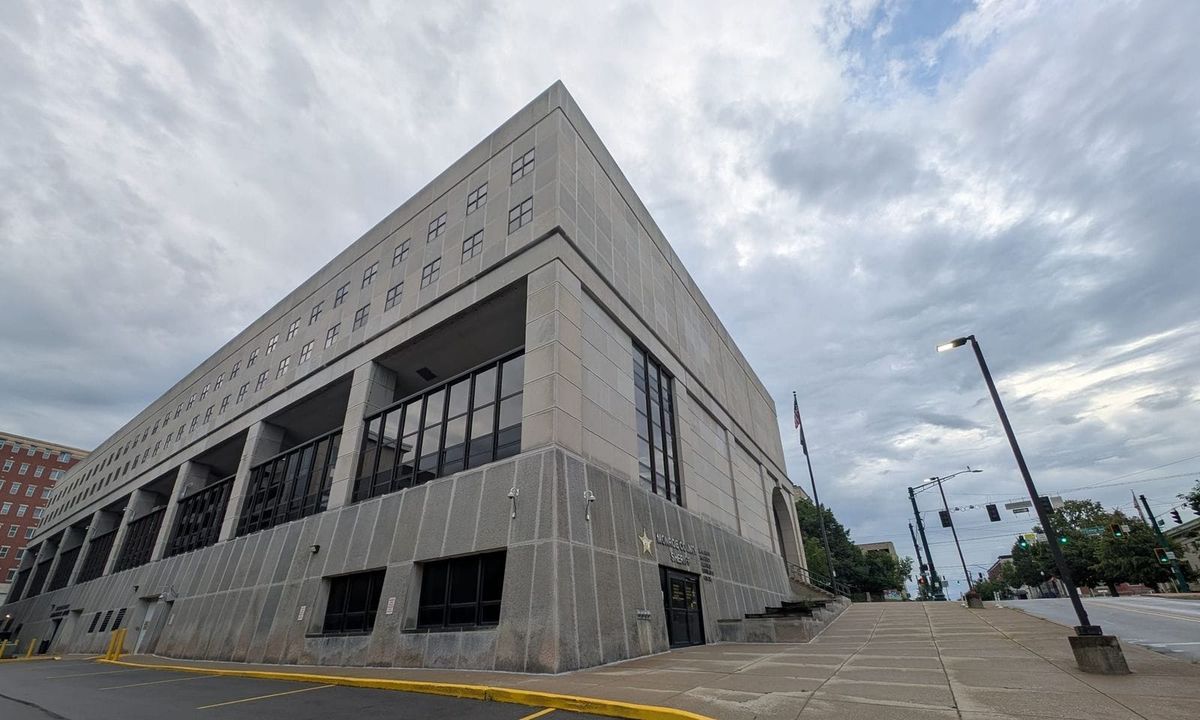
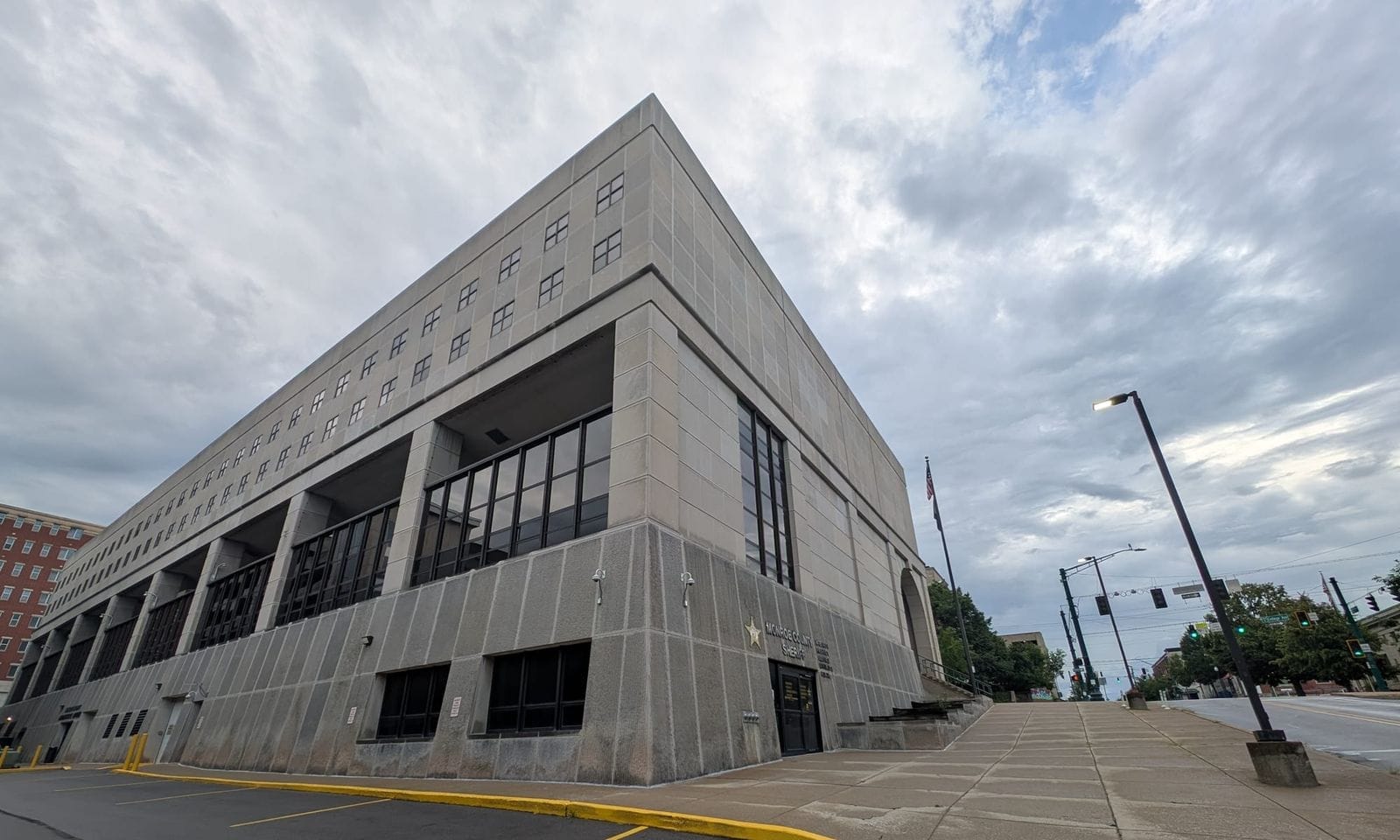
A man was ordered released from the Monroe County jail Monday (Aug. 31), a day after Bloomington police arrested him for the second time this month for violating Indiana’s new street-camping law.
The most recent arrest came at 11:55 a.m. Sunday (Aug. 30) on Westplex Avenue, in the vicinity of Wheeler Mission, according to the Monroe County jail’s daily book-in report. He was booked into the jail about 15 minutes later on a charge of street camping.
His first arrest on the same charge came Aug. 7, also on Westplex Avenue. That time, police arrested him in the 200 block of South Westplex. He was booked into the jail at 9:56 a.m. but released about a half-hour later, according to the jail's daily book-in report.
On Monday afternoon, he appeared from custody before Monroe County Circuit Court Judge Darcie Fawcett for initial hearings on both cases. The earlier case includes two counts of street camping. The new case includes one.
Street camping became a crime in Indiana on July 1 under a law enacted this year as Senate Enrolled Act 285. The new law prohibits camping, sleeping or using state or local government land for long-term shelter unless the land has been authorized for that purpose.
But the law does not require an arrest the first time a law enforcement officer encounters someone sleeping or camping on public property. Among other requirements, the officer has to first issue a warning and provide information about shelter or services. A criminal charge can result, if at least 48 hours have passed and the person is again found camping, sleeping or using public land for long-term shelter within 300 feet of where the warning was issued.
The crime is a Class C misdemeanor. Under state law, a Class C misdemeanor carries a maximum sentence of 60 days in jail and a possible fine of up to $500.
Monday’s exchange between the judge and the man charged with street camping was purely transactional and typical of much of the afternoon’s initial-hearing docket.
Fawcett confirmed that the man understood the charges and his rights, then worked through the questions used to determine whether he qualified for a court-appointed attorney: Was he working? Did he have money saved in the bank? Did he rent or own his home?
His answer to the last question was: “No, I’m homeless.” The jail book-in report gives 620 S. Walnut as his address, which is the location of the Shalom Community Center, which is Beacon’s day shelter. The community center offers mail service for people, which can help them get a job, healthcare benefits, government IDs, and stay in touch with family.
Fawcett appointed the public defender’s office to represent him and ordered him released, with telephonic notifications to remind him of court dates. His next hearing was set for Oct. 15 at 11 a.m. “You’ll be released later today,” Fawcett told him. “Be patient with the jail.”
The final instruction was a frequent admonition on Monday from Fawcett to those who were still prisoners, even though she’d just ordered their release. Of the 13 people who appeared Monday from the jail, nine were ordered released, based on The B Square’s count in the courtroom. An order of release does not necessarily mean someone walks immediately out of the courtroom into the outside world. First, it’s back to the jail, where paperwork has to be processed.
Initial hearings are purely procedural. At the outset, Fawcett told defendants that the purpose was to tell them what charges had been filed, make sure they understood the possible penalties and advise them of their rights. She cautioned them against using the hearing to explain their version of events, because what they said could later be used against them. She also told them to listen to the cases ahead of theirs, because they’d hear mostly the same questions.
The morning also included one proceeding conducted with the help of a Spanish-language interpreter reached by telephone. Fawcett waited while court staff connected to the interpreting service, then instructed the interpreter to translate her questions and only the defendant’s answers.
For the man charged with street camping, the result of the afternoon’s initial hearing was release from jail for now, with the requirement that he appear for a hearing on the merits of his case on Oct. 15 at 11 a.m. That hearing will be in front of judge Christine Talley Haseman.


Comments ()