
Crawford Apartments fail Feb. 9 re-inspection, blocking occupancy permits from Bloomington as lawsuit proceeds
A Feb. 9 re-inspection of Crawford Apartments did not clear the 61-unit supportive housing complex to reopen vacant units, leaving at least 28 apartments empty. Bloomington’s lawsuit remains pending, with a March 30 court conference set as disputes continue over maintenance and support services.
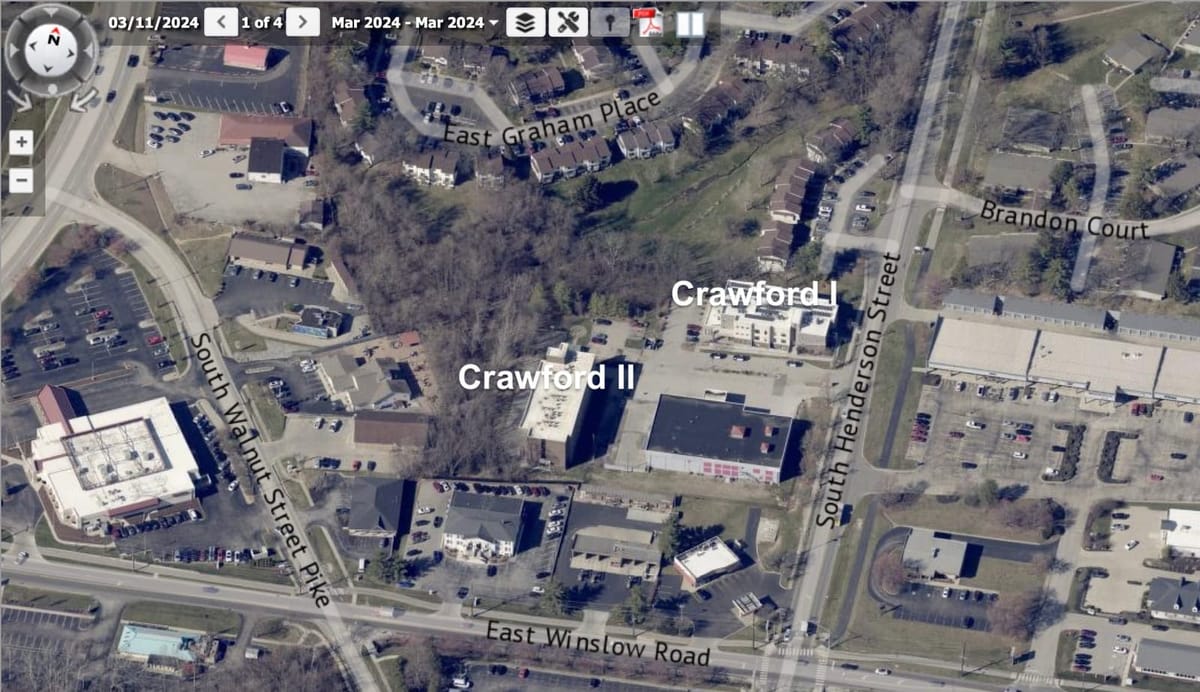
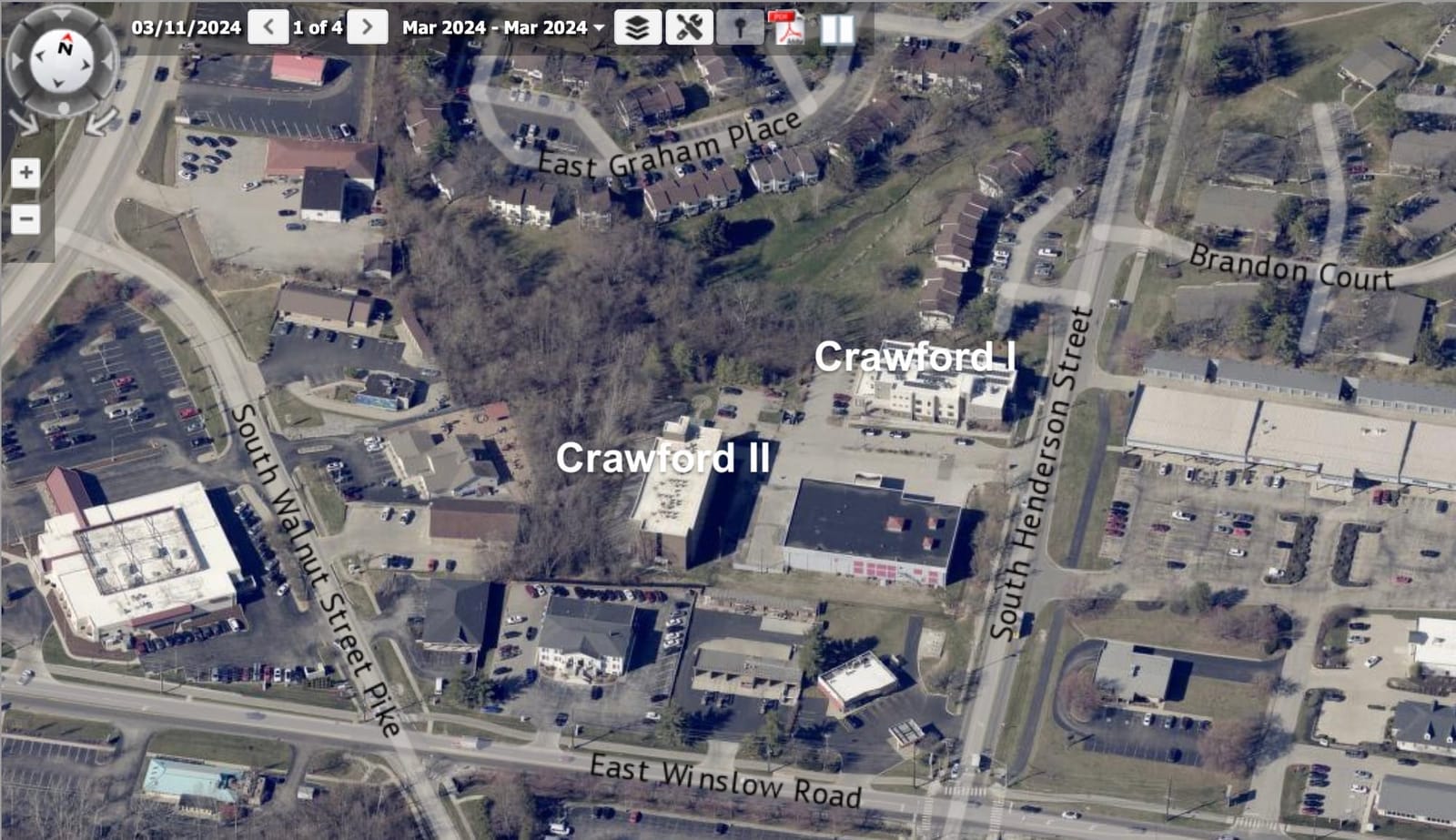
A Feb. 9 re-inspection of Crawford Apartments on Henderson Street in south Bloomington did not clear the way for vacant units to reopen. That leaves the 61-unit permanent supportive housing complex in limbo as a lawsuit filed last fall by the city of Bloomington moves toward a March 30 conference between the attorneys and the judge.
About half of the units in the two buildings are vacant. Crawford is a permanent supportive housing project, which means it combines long-term housing with on-site or closely coordinated supportive services for people who have experienced chronic homelessness or have disabilities, with the goal of helping them maintain stable housing.
Hearing the breach of contract claim in Monroe County circuit court is judge Geoff Bradley. Defendants in the lawsuit include owners of the two buildings (Crawford Apartments and Crawford Apartments II), a limited partner (Cinnaire Corporation), the property management company (Continental Management), and the supportive services provider, local nonprofit Beacon, Inc.
Anna Killion-Hanson, head of the city’s Housing and Neighborhood Development (HAND) department, responded to late-week emailed B Square question by reporting that the buildings did not pass the Feb. 9 re-inspection.
The most recent inspection for each of the two buildings was done on Jan. 15, 2026. [Crawford I inspection report] [Crawford II inspection report]
On their mid-January visits to the two buildings, the city’s inspectors cited repeated life-safety and habitability problems, most notably widespread pest infestations—including roaches and bed bugs in multiple occupied units —along with some units flagged for missing or non-functioning smoke detectors, disabled or improperly wired GFCI outlets, unsecured electrical fixtures, and failed emergency lighting.
If violations had been fixed by Feb. 9, the city had indicated it might issue a temporary three-month certificate of occupancy, consistent with HUD’s quarterly inspection framework, allowing vacant units to return to service.
“While the City is hoping to get the units filled as soon as possible, they did not pass inspection,” Killion Hanson wrote. “There has been a significant effort on the part of Continental [the property manager] to improve the building. Unfortunately, there are still violations that we believe may be remedied with adequate supportive services in conjunction with efforts to correct conditions.”
Killion wrapped up: “Until these violations are corrected, it is the City’s policy not to issue permits.” That leaves at least 28 of the 61 total units in the two buildings vacant.
Ahead of the re-inspection, Bloomington mayor Kerry Thomson wrote in response to emailed B Square questions that the city’s lawsuit is still active.
“We worked in good faith to reach a global settlement agreement, but the City has no clear understanding or agreement regarding how supportive services are provided,” Thomson wrote. “Without that, litigation unfortunately remains the active path unless and until we can reach an agreement that both brings the property into compliance with local code and ensures residents are receiving the services they need.”
Thomson also wrote, “When consistent case management and onsite support aren’t in place, issues that could be addressed early tend to escalate, leading to unsafe conditions and repeated inspection failures.” In those circumstances, she added, the owners have relied on evictions as an immediate response—“something no one wants to see.”
The supportive services are provided at Crawford by Beacon, Inc.
According to Thomson, the city does not have current documentation detailing what supportive services are being delivered onsite, even though service commitments were defined in contracts when Crawford launched.
When Beacon executive director Forrest Gilmore spoke with The B Square last week he indicated frustration with the city’s repeated claim that it lacks “documentation” of supportive services at Crawford.
He said Beacon has already submitted a supportive services plan required by national intermediary CSH (Corporation for Supportive Housing) and by IHCDA (Indiana Housing and Community Development Authority), and that the city has had that plan “for some time.” Beacon, he said, is formally accountable to HUD, IHCDA, and the property manager, not to the city, and has never received city funding for those services.
Gilmore said he is “befuddled” that the city’s enforcement has focused so heavily on Beacon, even though core issues—such as property maintenance and occupancy permits—are primarily the responsibility of the owner and property management, not the service provider.
Gilmore said that, aside from a handful of units tied to recent evictions, most vacant apartments are move-in ready and habitable. In his view, the primary barrier to filling units has been the lack of an occupancy permit, not physical conditions.
Describing Beacon’s supportive services, Gilmore said Beacon provides housing stability case management within a federal permanent supportive housing framework. Staff help tenants maintain housing and connect with outside providers, but are not themselves a clinic or mental health agency.
He described Beacon’s work at Crawford as including: on-site case management aimed at helping tenants manage daily life and remain housed; coordination with providers such as HealthNet that bring medical and behavioral health services onsite; weekly in-unit case management and more structured assessment of whether prospective tenants can safely live independently or require a higher level of care.
Beacon’s permanent support housing program includes 100 units across Bloomington, which includes Crawford plus about 40 “scattered site” units across other locations. According to Gilmore, there are 10 Beacon staff for its permanent supportive housing program, all 100 units combined.
The attempt to get all of Crawford’s units back online is unfolding within the broader “housing first” framework that prioritizes people with the highest needs for limited supportive housing slots. The “housing first” model operates inside a community’s coordinated entry system, which serves as the centralized process for assessing, prioritizing, and referring people to permanent supportive housing and other housing interventions.
Gilmore said Beacon continues to operate under the federal rules, while also conducting more deliberate case conferencing to determine whether some clients require assisted living, group homes or hospitalization. Such options are “very rare to non-existent” locally, he said, leaving agencies to manage high-need tenants in standard apartment settings.
In her response to The B Square, Bloomington mayor Kerry Thomson pointed out that coordinated entry is led by providers, like Beacon, and that admissions decisions flow through service providers based on capacity and client need. Thomson added, “We recognize how complex it is to serve vulnerable populations. But the longer these issues remain unresolved, the longer units sit empty, and the longer people remain on the street despite available housing.”
The city’s lawsuit—filed against the property owner, property manager and Beacon—is still pending. A telephonic conference with the attorneys and judge is scheduled for March 30. That’s a procedural step that could clarify the timeline for motions or potential settlement discussions.
Comments ()