
Monroe County sheriff sues Indiana attorney general over new immigration detainer law
Monroe County sheriff Ruben Marté has sued Indiana AG Todd Rokita in federal court, seeking to block a new state law requiring local jails to honor ICE detainer requests. The lawsuit says the new law would force deputies to violate the Fourth Amendment by detaining people without warrants.
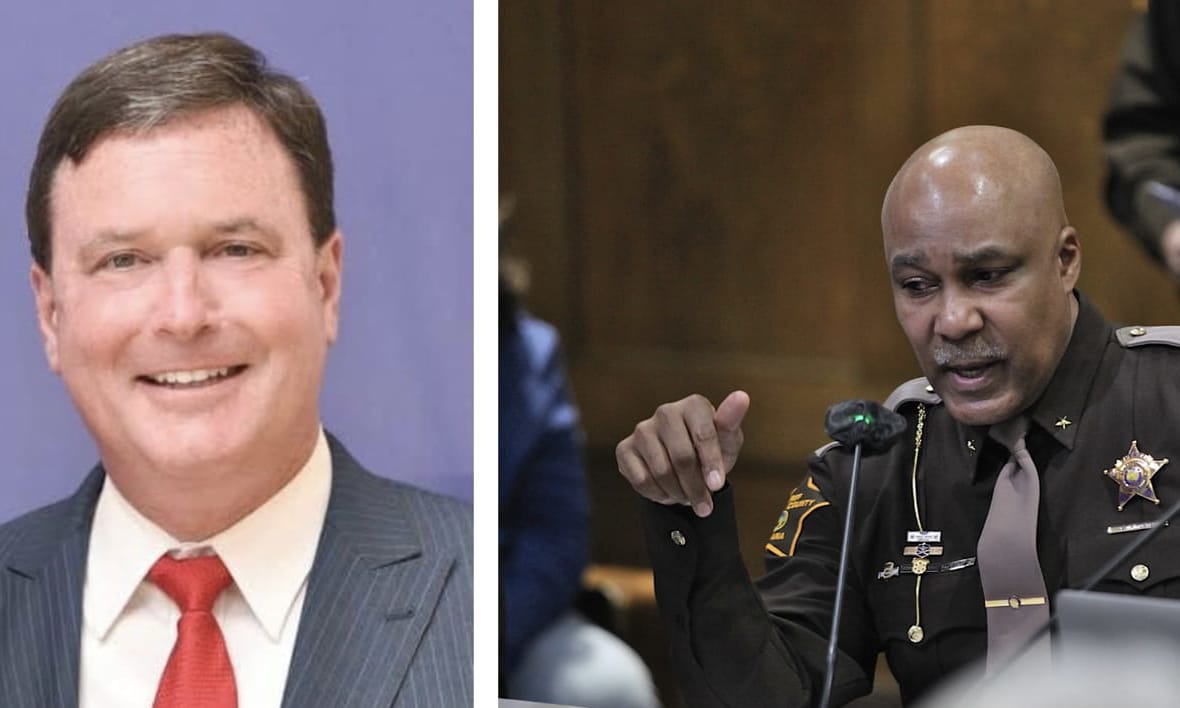
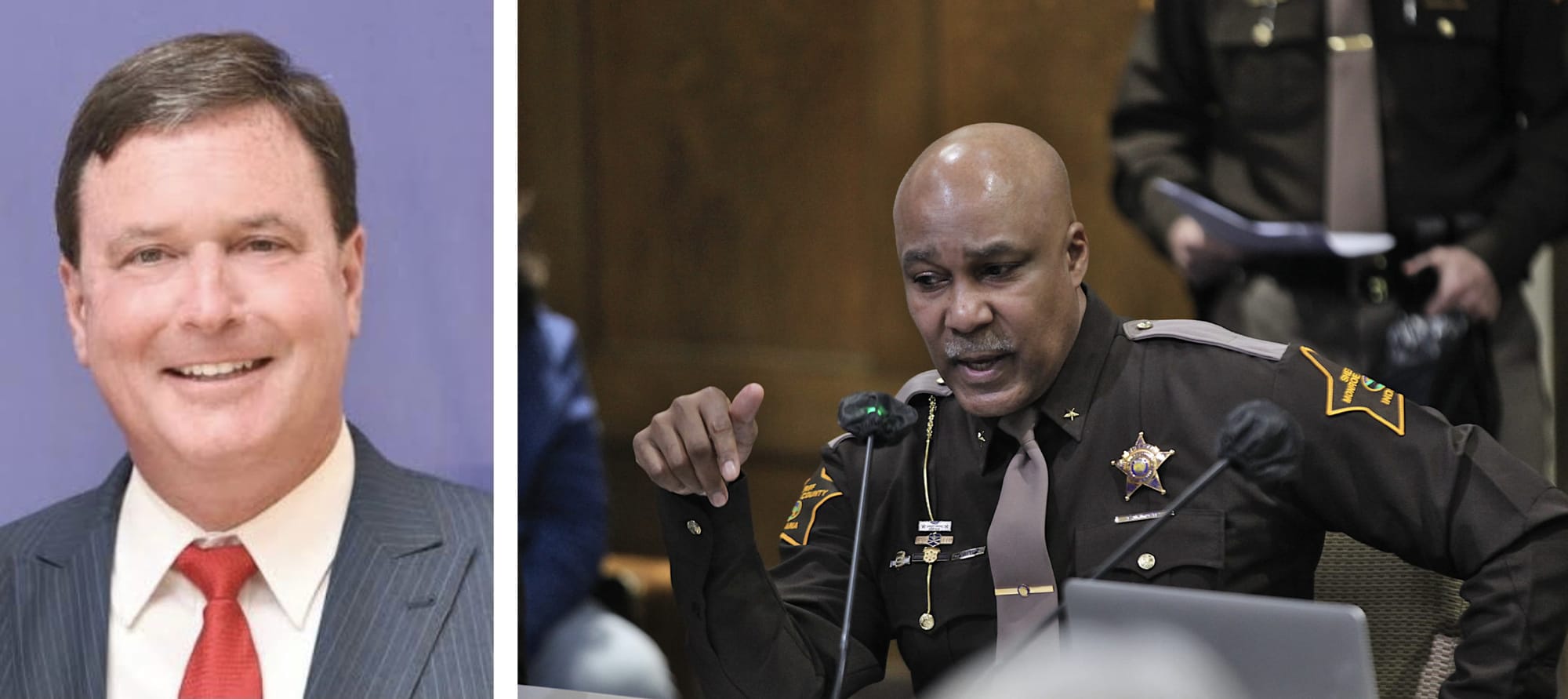
Monroe County sheriff Ruben Marté has filed a federal lawsuit challenging a newly enacted Indiana law that requires local law-enforcement agencies to comply with federal immigration detainer requests.
The lawsuit, filed Wednesday (April 8) in the U.S. District Court for the Southern District of Indiana, names Indiana attorney general Todd Rokita as the defendant and seeks to block enforcement of a provision in Senate Enrolled Act 76 (SEA 76) that is scheduled to take effect July 1.
Marté argues that the law would force the Monroe County sheriff’s office to violate the Fourth Amendment by detaining individuals based solely on immigration detainer requests issued by U.S. Immigration and Customs Enforcement (ICE), even when those requests are not supported by a judicial warrant.
According to the complaint, ICE detainers are requests asking local jails to hold someone for up to 48 hours after they would otherwise be released, so that federal immigration authorities can take custody of the person. The sheriff’s lawsuit contends that honoring such requests without a warrant, or probable cause that a crime has been committed, constitutes an unconstitutional seizure.
The new state law, signed by Gov. Mike Braun on March 5, requires local governmental bodies that have custody of a person subject to an immigration detainer to notify the court and the detainee and “comply with all requests made in the immigration detainer request.”
Marté’s complaint says that mandate puts him in what the filing calls an “impossible situation.” If he orders deputies to comply with detainer requests without judicial warrants, the lawsuit says, the sheriff’s office could face civil liability from people who are unlawfully detained. If he refuses to comply with the law, he risks enforcement action by the attorney general, including civil penalties of up to $10,000 per violation.
A news release issued Thursday by the sheriff’s legal team says the law requires officers to detain people based solely on immigration detainer requests, and therefore forces the sheriff’s office to violate the Constitution’s prohibition on unreasonable seizures.
The lawsuit asks a federal judge to block the law before it takes effect on July 1 and to declare it unconstitutional to the extent it requires compliance with detainer requests that are not accompanied by a judicial warrant.
This week’s lawsuit builds on an earlier legal conflict between Marté and Rokita over the sheriff’s immigration enforcement policy. That case is still open in the Monroe County circuit court.
In 2023, Marté adopted a standard operating procedure directing deputies not to hold individuals beyond their release time based solely on ICE detainer requests unless a judicial warrant accompanies the request. Rokita sued the sheriff in Monroe County Circuit Court in 2024, arguing that the policy improperly limited cooperation with federal immigration enforcement under Indiana law.
Cross-motions for summary judgment in that case are currently pending, with oral arguments set for May 29.
Marté was elected sheriff in 2022 after a 31-year career with the Indiana State Police. He is currently running for re-election by standing as the only candidate for the nomination of the Democratic Party. No Republican candidate filed for the primary, but that does not preclude the filling of that ballot vacancy by the GOP before the deadline of July 3.
Wednesday’s new case was filed by attorneys from the Monroe County legal department together with lawyers from the Institute for Constitutional Advocacy and Protection at Georgetown University Law Center. The ICAP is also helping with Marté’s representation in the lawsuit that Rokita filed him earlier.


Comments ()