
Private roads, public emergency: Snow exposes Monroe County plowing gap
Heavy snow and bitter cold exposed a long-standing Monroe County issue: dozens of subdivisions remain unplowed because their roads are private and not in the county inventory. Councilors and commissioners may be considering emergency options.
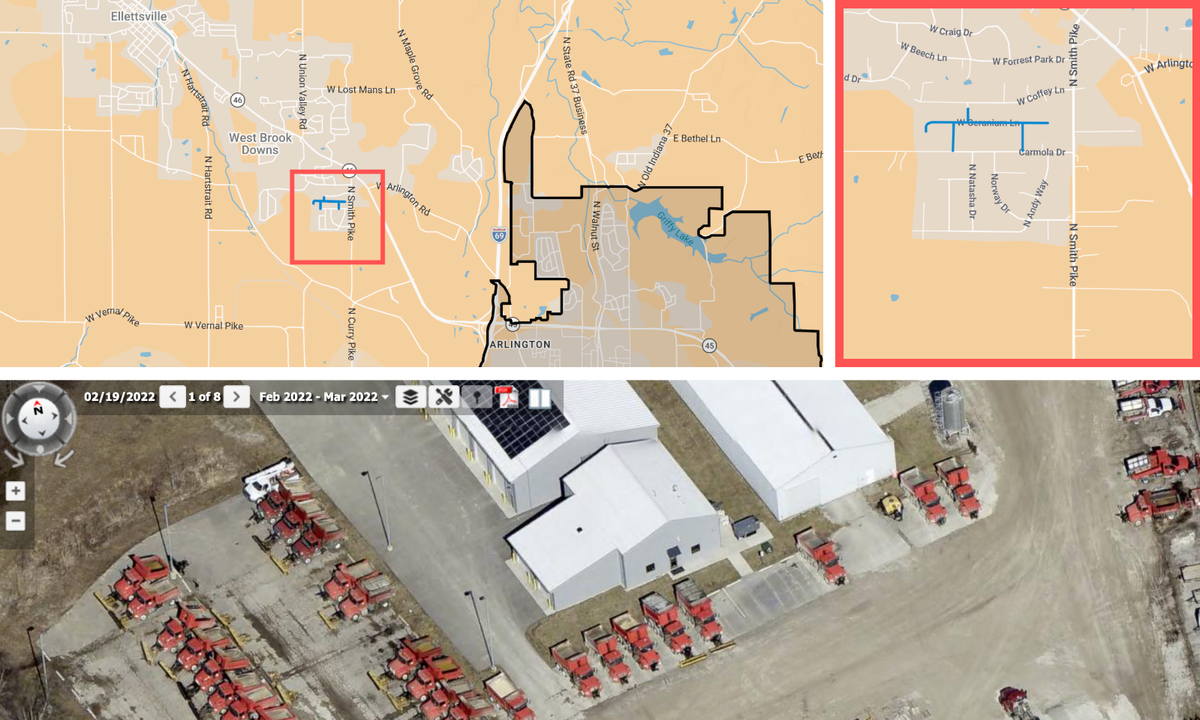
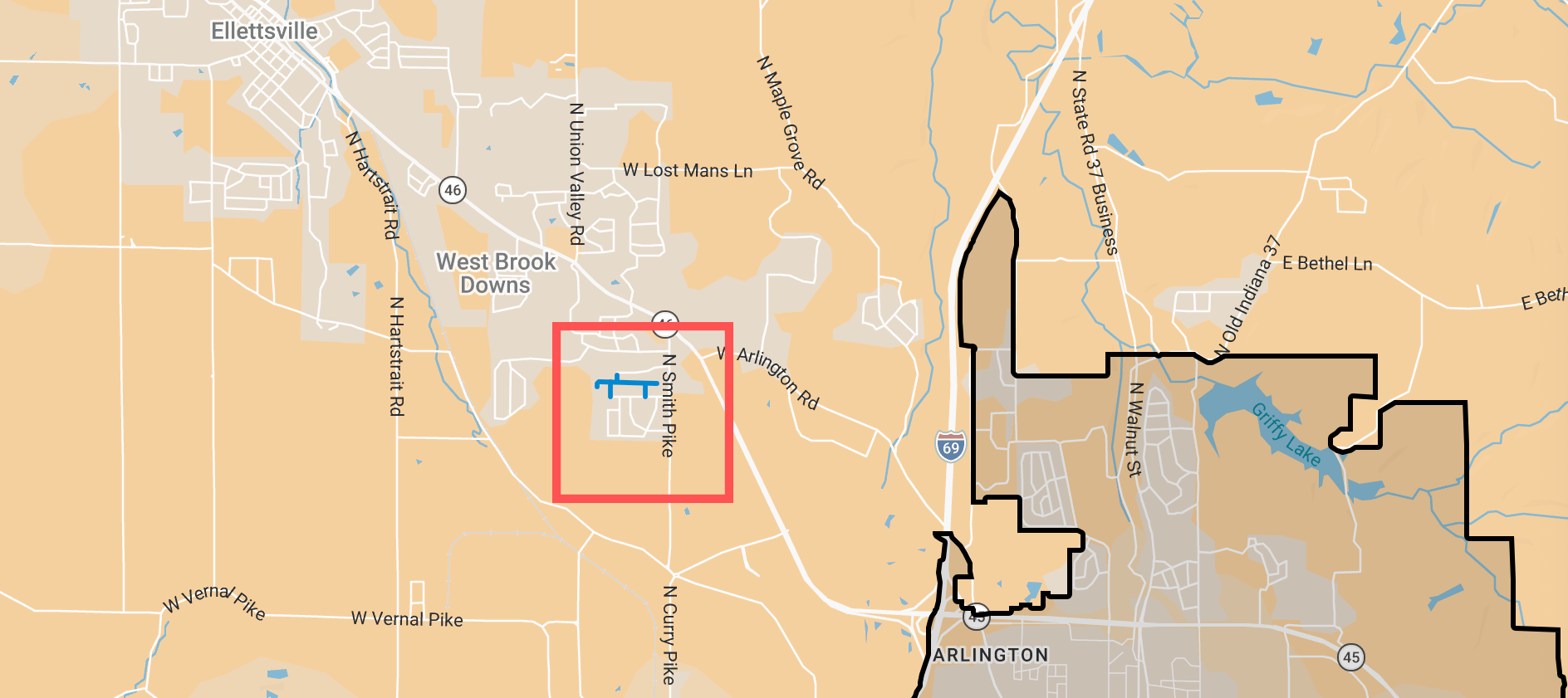
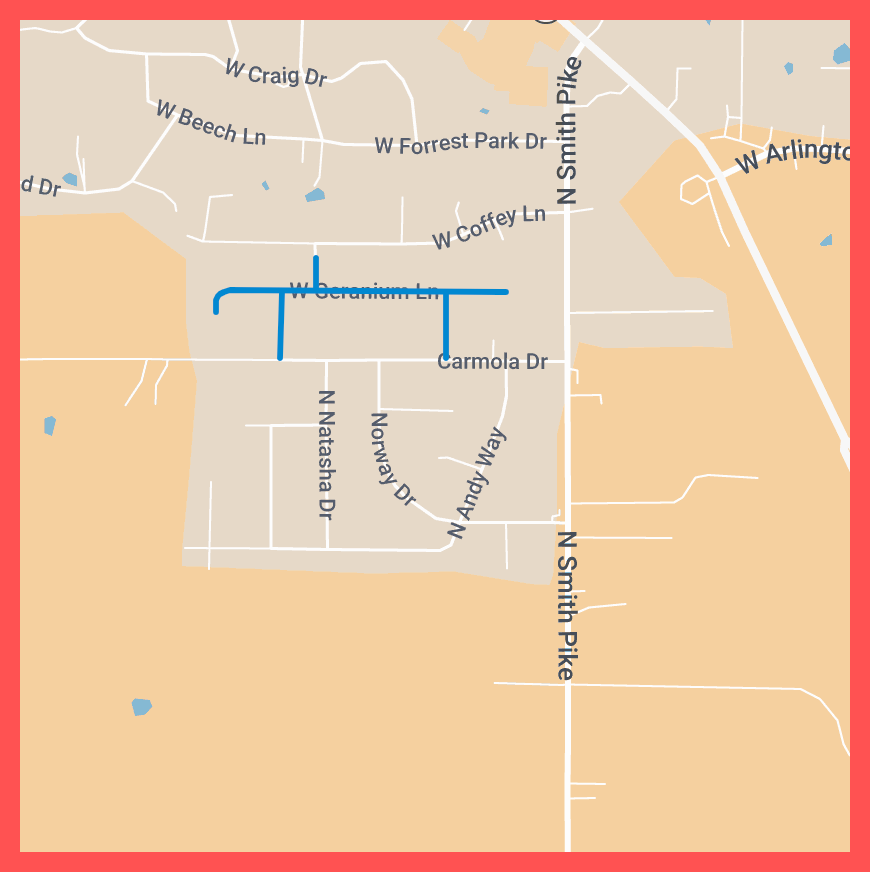
The foot or more snow that fell over the weekend, with the single-digit temperatures that came along with it, put a long-standing county government snow-plowing controversy in sharp focus.
That’s especially after Monroe County councilor Marty Hawk posted a complaint on social media about lack of snow plowing service to a specific subdivision in the county.
From a legal point of view, county plows do not have to plow the roads in that and many other subdivisions, because the streets in question are not a part of the county government road inventory. In many cases, the roads are not in the inventory because of long-simmering disputes with developers about whether the roads were constructed and completed in a way that meets the necessary county road standards to be added to the list of county-maintained roads.
Still, the issue has now been identified as a public-safety matter, because residents who live in the snow-bound subdivisions, now a couple of days after the snow stopped falling, are not able to get out, and it’s not clear that police and fire services would be able to get into those unplowed neighborhoods.
Now, it looks like the regular Thursday meeting of the three Monroe County commissioners could be the occasion when the unplowed private roads in subdivisions sprinkled across the county get some additional scrutiny.
On Tuesday night (Jan. 27) at the Monroe County council’s regular meeting, Skip Daly spoke from the remote public mic “simply as a resident of Monroe County,” and warned that “police, fire and medical professionals cannot easily get to a potential destination. Residents cannot leave their homes, and quality of life is significantly decreased during this emergency.”
After Tuesday’s meeting council president Jennifer Crossley told The B Square that the county council, as the fiscal body, and the commissioners as the combined executive and legislative branch would need to try and figure things out. Crossley said it sounded to her like her colleagues Trent Deckard and David Henry on the county council might be appearing at Thursday’s regular meeting of the commissioners to have that conversation.
During Tuesday’s meeting, Deckard sent an email to the county commissioners asking if it might be possible for the county’s emergency management agency (EMA) to contract with a snow plow operator to get private roads cleared, indicating his willingness as a county councilor to support backfilling the funds that would have to be expended.
For his part, Henry also tied the question to the idea that the situation is a literal emergency, saying that some action might be tied to the county’s emergency powers. County commissioner Jody Madeira wrote a comment on Hawk’s Facebook post indicating that the county has declared a state of emergency—but Henry said at Tuesday’s meeting he had never seen the emergency declaration filed or published anywhere.
The declaration of a local disaster emergency by the commissioners under Indiana state code has to be filed with the county clerk’s office. Henry pointed to the emergency declaration as an important document, saying on Tuesday, “that document is what lifts ordinances out of the way to go do emergency things.”
[Added Jan. 28, 2026 at 3:55 p.m. The B Square has obtained a copy of the emergency declaration from the office of the county commissioners.]
At Tuesday’s meeting county highway director Lisa Ridge gave a response to the general idea that not plowing the roads in some subdivisions of the county was unjust, because the property owners there had paid their property taxes. Ridge broke down how snow plowing gets funded—it’s through the Motor Vehicle Highway (MVH) distribution, Ridge said. That is to say, it’s the gasoline tax that funds snow plowing, not property tax. The formula that the state uses to distribute MVH money is based in part on the number of county‑maintained roads that are reported to the state.
“Private roads do not bring any funding to the county highway department,” Ridge said. “We are very restricted on what our funds can be used for, but most importantly, it must be on county‑maintained roads.”
Ridge described a list of over 60 subdivisions with unresolved issues where developers had not completed required infrastructure—roads, sidewalks, ADA ramps, and other items—leaving streets in “private” status, not in the county’s inventory of maintained roads.
About one of the specific subdivisions in question, Ridge said that the county legal department, planning department, and highway staff had walked through the subdivision with the developer and their attorney last year, documented deficiencies. “[The] developer said he wasn’t going to spend a dime in there. So now there’s litigation,” Ridge said.
The litigation in question is Monroe County, Indiana vs. Donald Grubb. It’s currently set for a bench trial in September.
Ridge said she had sympathy for the plight of homeowners. “I have nothing but sympathy for the homeowners that are not aware that they might be buying a home on a private road.” She added, “We just are not allowed to go in and use our resources to do private roads. Where do you stop? If we go do Geranium, are we going to go do the other 60 subdivisions that have private roads?”
She also warned that stepping in with county plows can “give that developer more incentive just not to finish the improvement because the county has already stepped in.”
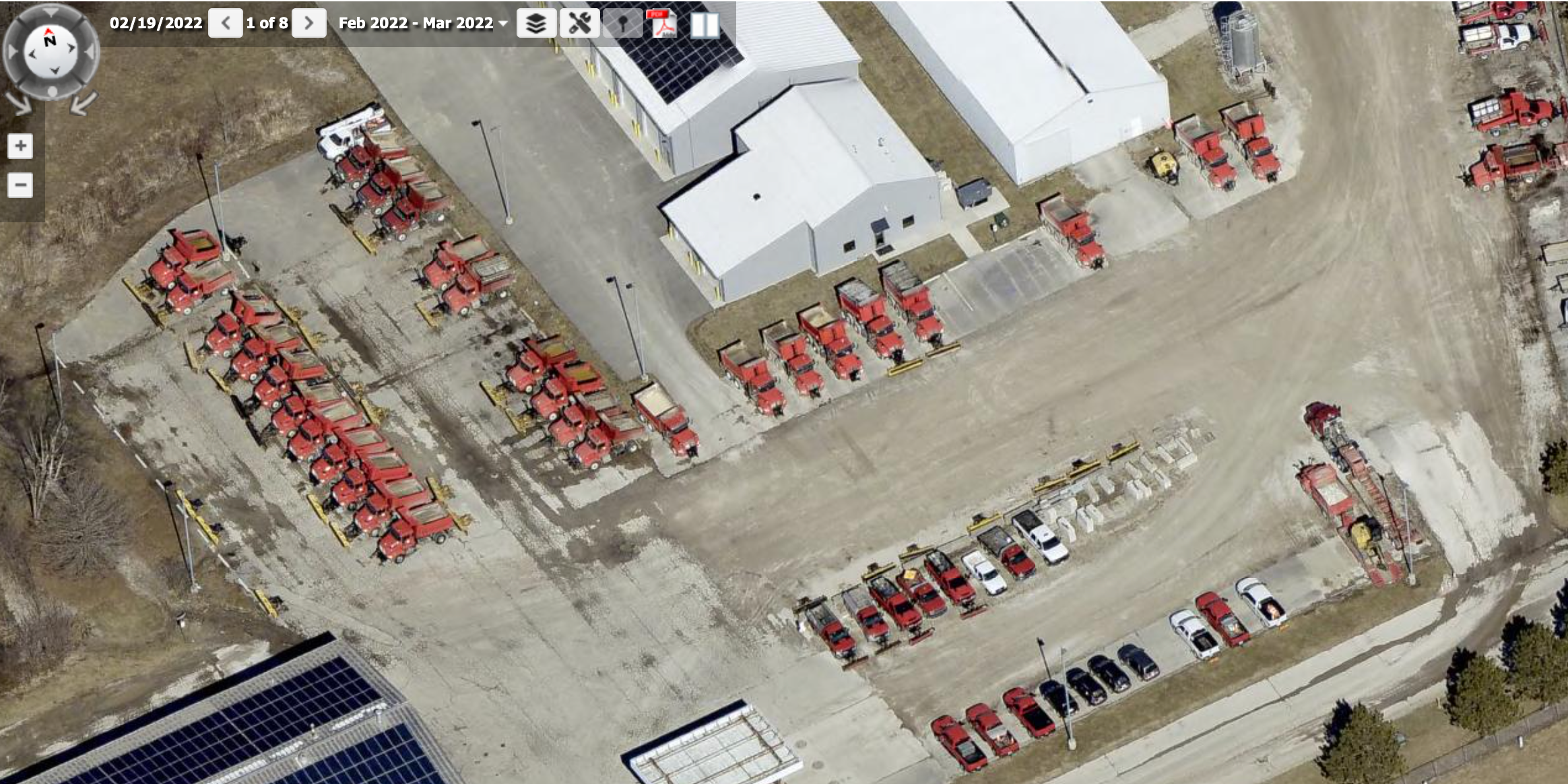
Also at Tuesday’s meeting, Ridge broke down the county highway department’s snow plowing efforts during the recent storm. Crews started at 5 p.m. Saturday (Jan. 24) and worked until 5 p.m. Monday, a 48‑hour operation involving about 45 employees, "from management to mechanics, equipment operators and truck drivers,” Ridge said.
Ridge reported the cost from Saturday to Monday for labor, equipment, and materials as $297,812.07 and said crews would be plowing “all week,” trying to widen the roadways, noting that with forecasted extreme cold temperatures, the melting will be a slow process.
Ridge noted that in a handful of other subdivisions, homeowners formed HOAs, used remaining bond money, hired contractors to complete the work, and then had the county accept the roads into its inventory.
County councilor Liz Feitl described her own neighborhood, which has not yet had its streets accepted into the county road inventory, and does not receive snow plowing service from the county highway department. The neighborhood had eventually convinced the developer that he did, in fact, have responsibility for snow plowing. Feitl said, “The last year or two has been phenomenally wonderful … one of the years we had bulldozers plowing through the neighborhood.”
At Tuesday’s meeting, Hawk underscored that the issue is not the fault of plow operators that some subdivisions are not plowed: “They will plow whatever roads that they are directed to plow.”
At their regular Thursday meeting, county commissioners will likely be expecting some comment from the public mic or from county councilors on the topic of snow plowing.
Responding to a B Square question, Madeira texted, “The commissioners know of this dilemma, and greatly sympathize with affected property owners. Although it is not of the county’s making, it touches county residents’ lives and imposes considerable hardship. We will be diligent in exploring possibilities with other county bodies including county legal and county council.
Commissioners meet next on Thursday (Jan. 29) at 10 a.m.


Comments ()