
Monroe County adds $35K for encampment cleanup, $50K for patrols, $162K for housing
Monroe County commissioners approved more spending tied to homelessness Thursday: $35,000 for Powerline Camp cleanup, up to $50,000 for security patrols, and $162,379 for Heading Home’s direct-to-housing initiative
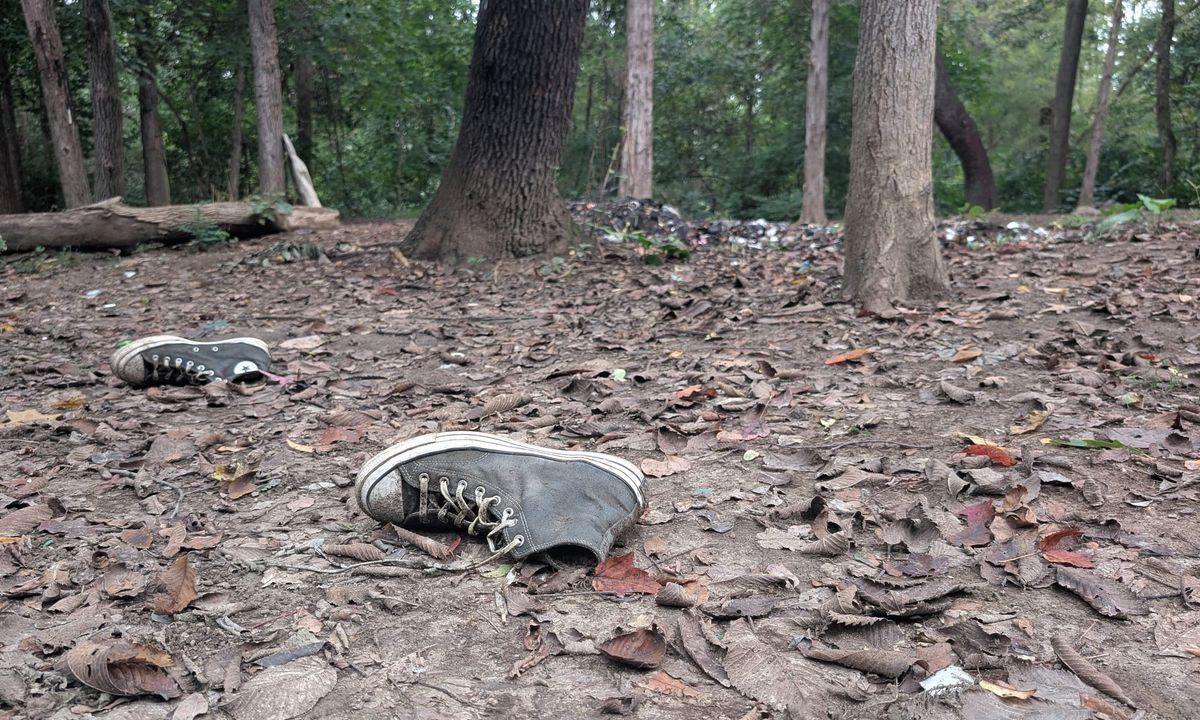
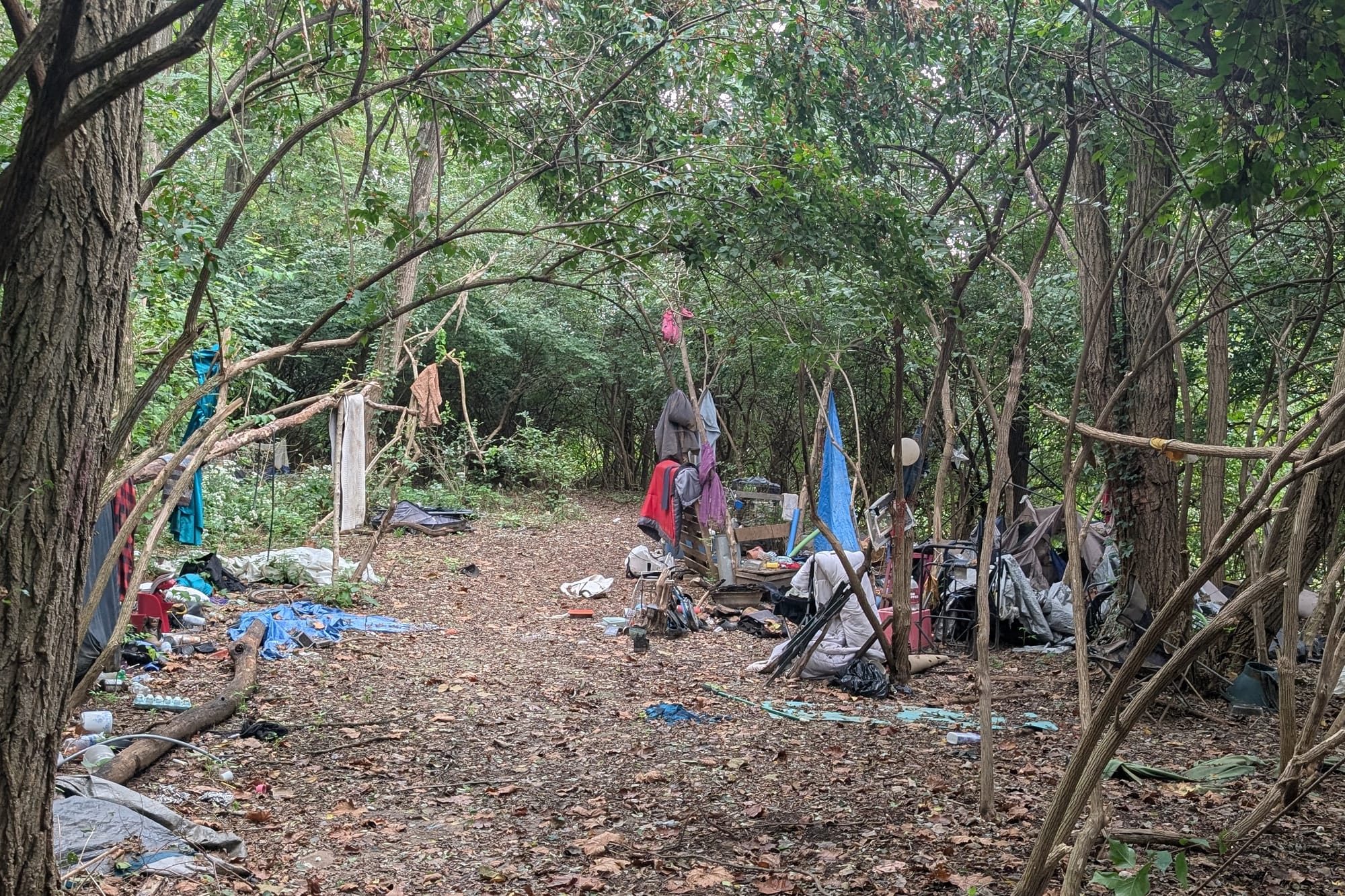
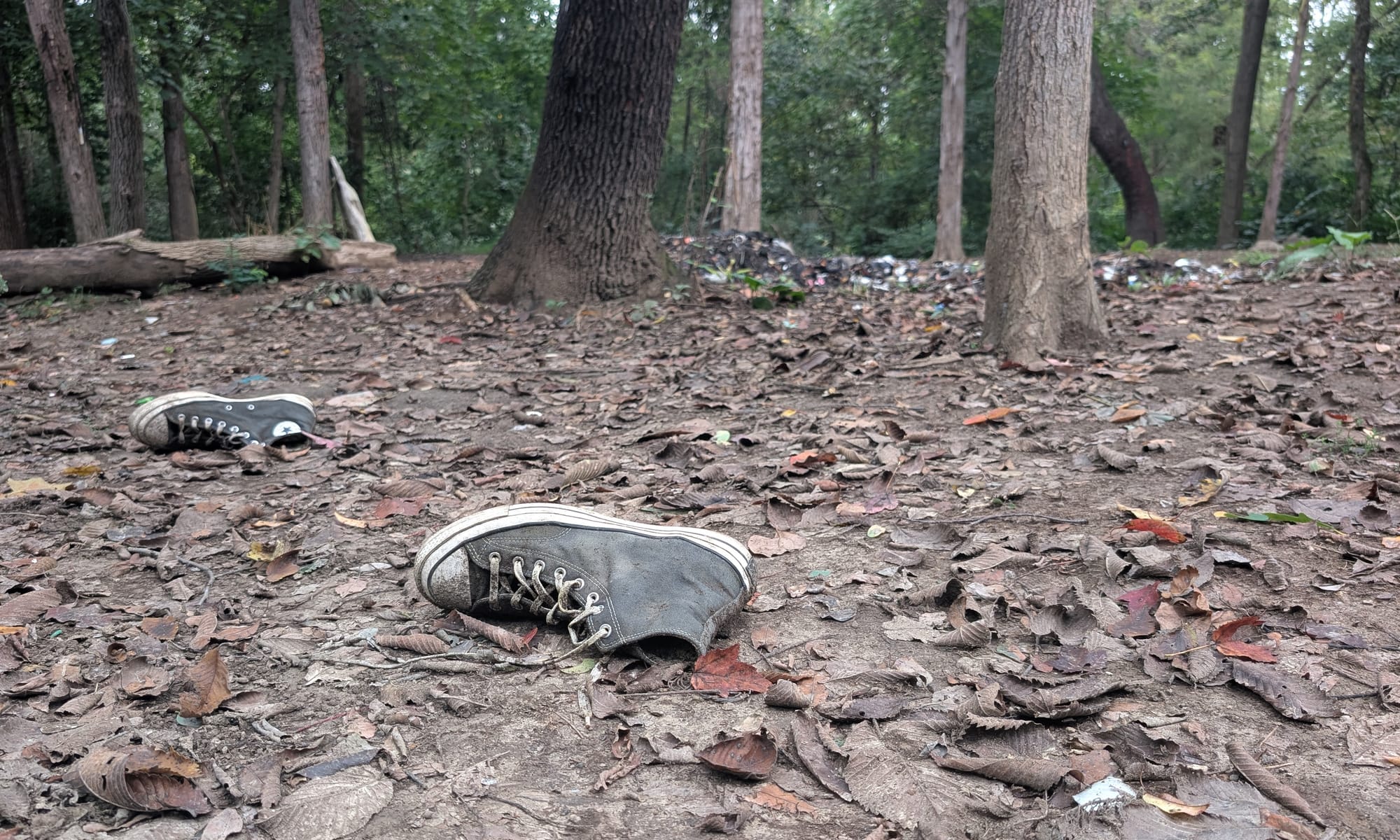
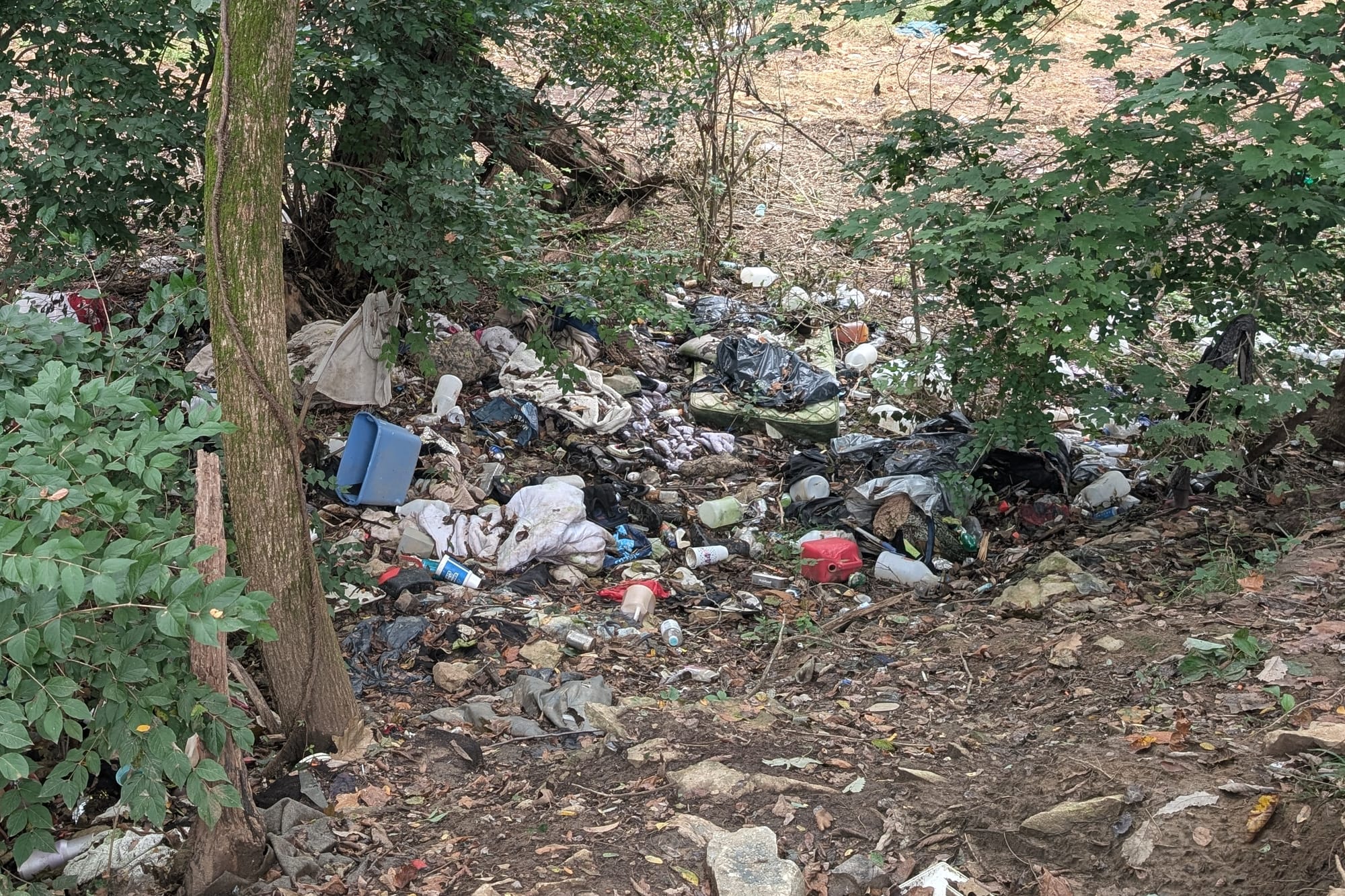
Powerline Camp was cleared a month ago by Monroe County government. Some, but not all of the campsites have been cleaned up. (Dave Askins, Sept. 24, 2026 )
Homelessness was a main theme of the regular Thursday (Sept. 24) meeting for Monroe County commissioners.
They approved another $35,000 to clean up county-owned land where a homeless encampment was located. They also approved $50,000 to secure the land to prevent people from returning to set up camp. Commissioners also approved a change to county code that makes it easier to remove belongings left on county land.
Commissioners also approved about $162,000 to support an initiative by a local nonprofit, which is aimed at moving people who are now sleeping outdoors directly into housing.
The votes were unanimous by the three commissioners, who were all present in person.
The $35,000 for cleanup of the county-owned Thomson property off South Rogers Street came on top of the $70,000 that had already been approved. The $50,000 for security is to cover a contract with Marshall Security, Inc. for patrols at the Thomson property and another county-owned piece of land on West 3rd Street.
In a related move, commissioners also approved $162,379 in funding for Heading Home of South Central Indiana’s Streets to Stability initiative. The program provides a year of rental assistance and intensive case management to people who are currently living unsheltered.
Powerline Camp cleanup, security
Commissioners approved an additional 10 days of work by Bio-One to continue hazardous-material cleanup at the Thomson property off South Rogers Street, commonly known as the Powerline Camp. The work is priced at $3,500 a day, for a maximum of $35,000.
That comes on top of a $70,000 contract that commissioners approved on Aug. 13 for up to 20 days of cleanup, at the same daily rate. That puts the total maximum Bio-One cleanup cost at $105,000.
The county cleared the encampment a month ago, on Aug. 25, when sheriff’s deputies arrived early in the morning. An estimated 40 to 50 people were living on the property. Several had lived there for well more than a year.
On Thursday, commissioner Julie Thomas said the additional contract was needed because conditions at the property were “obviously pretty bad.” On a visit to the property after the commissioners meeting, The B Square confirmed that while some of the individual campsites were cleaned up, there was still a substantial amount of trash in surrounding ravines. Cleanup did not appear to have started on some of the campsites.
To prevent people from returning to the wooded area to set up camp, at their Thursday meeting commissioners also approved a contract with Marshall Security LLC worth up to $50,000. Under the agreement, the company will make two patrols a day at the Thomson property and one patrol a day at another county-owned, seven-acre parcel near the At Home store on West 3rd Street. Each patrol costs $35, with time-and-a-half rates on specified federal holidays. The contract runs through Dec. 31, 2027, and allows the county to adjust the frequency of patrols.
When commissioner Jody Madeira asked whether the patrols would extend into the properties rather than simply around their edges, county building and fleet director Richard Crider confirmed they would.
Crider said the county parks department has also cut new trails through the thickly wooded areas, making it possible to drive through them. Madeira said that access would be important for maintaining security at the sites.
The West 3rd Street property has already generated substantial county government spending connected to homelessness. In June 2022, Monroe County cleared several encampments from the wooded county-owned land behind the At Home store at 3175 W. 3rd St., displacing at least 17 people, according to a census by Beacon Inc.
That cleanup four years ago grew considerably beyond the original scope that was specified in a five-day Bio-One contract. Commissioners ultimately authorized up to $70,000 for Bio-One to remove trash and hazardous material. They also declared an emergency so the county could quickly hire a contractor to clear undergrowth and smaller trees, improving sight lines into the property. At the time, county officials estimated the combined work could cost as much as $200,000
Changes to rules for property left behind
At their Thursday meeting, commissioners also changed county rules regulating personal property left on county land, which county attorney Jeff Cockerill connected to the ongoing cleanup of the Powerline Camp.
Cockerill said the existing code generally required a three-day notice before the county could remove property. That had created a problem at the Thomson site, because new belongings could be placed on the property, even while crews were still trying to clean it up.
Under the ordinance approved Thursday, county officials will no longer always have to wait three days before removing property. The county will still have to provide information about how belongings can be recovered. And property that is removed generally will have to be kept for seven days before being considered abandoned.
Cockerill said the immediate-removal authority could also make the rules more sensible for ordinary lost property. For example, it allows the county to pick up a wallet rather than technically leaving it in place for three days. Commissioners stressed that the change would not apply to an obviously legitimate use such as a bicycle locked to a bike rack.
$162,379 for direct-to-housing effort
Later in Thursday’s meeting approved an agreement that will use $162,379 from the county’s Local Assistance and Tribal Consistency Fund to support the Streets to Stability initiative that Heading Home of South Central Indiana has launched. The item did not appear on the posted agenda. Commissioners added it during the Thursday meeting. The Monroe County council had previously approved the appropriation.
Because the LATCF money is federal, the agreement is formally between Monroe County and the Community Foundation of Bloomington and Monroe County, which will oversee documentation and compliance associated with the grant. But the money will be used for Heading Home’s Streets to Stability program.
Streets to Stability was announced in early summer as a “direct-to-housing” approach. Instead of moving people from an encampment into an emergency shelter and then trying to find permanent housing, the program works through one geographic zone at a time and tries to move participants directly into leased apartments.
On Thursday, Heading Home executive director Mary Morgan told commissioners that approval of the LATCF money made Monroe County the first governmental entity to provide direct financial support for Streets to Stability.
Participants receive a 12-month rental subsidy and intensive case management that is intended to put them in a position to remain housed after the subsidy ends.
Morgan said the initiative’s first phase has already housed 13 people. Housing for two additional people is in the works. In addition, one person was reunited with family in another state. Three or four others are considered “complex needs” cases for whom ordinary housing may not be sufficient, Morgan said.
Heading Home is bringing together service providers, IU Health, Centerstone, HealthNet and people from the criminal justice system to work on those more difficult cases, Morgan said.
Heading Home estimates about 150 people are sleeping outside, in vehicles or in other places not fit for habitation in Monroe County. Morgan told commissioners the organization now estimates Streets to Stability would require about $4 million over multiple years to address that population.
The first phase received about $350,000 from Community Solutions, a national nonprofit that has supported Heading Home’s work through the Built for Zero program. Morgan said Community Solutions is also providing consulting assistance through Clutch Consulting.
Morgan told commissioners that the $162,379 they were approving that morning will primarily support rental subsidies. Morgan said Heading Home budgets about $1,300 per month per participant for rent and utilities. Participants also get furniture and basic household supplies when they move in. Case managers, whose caseloads are being kept at 15 people or fewer, then work on needs that can include food assistance, benefits, transportation, employment, substance-use or mental-health treatment and household budgeting.
Morgan told commissioners that the Clutch Consulting model that Heading Home is following has a success rate of 85% to 90%. That’s the percentage of people staying housed after the initial 12-month period. She said Heading Home expects to begin another phase, in another zone, of the local initiative in October.
Morgan said Heading Home is also expecting support through the city of Bloomington’s tenant-based rental assistance program, which she pegged at about $300,000. The details of that are still undergoing city legal review. Other potential sources include Community Foundation grants, private foundations and the business community.
Thursday’s county action comes two days after the Monroe County council added $1 million to its proposed 2027 budget to help out with Beacon Inc.’s planned housing and shelter complex on West 3rd Street.
Morgan pointed to the juxtaposition of the LATCF award with the encampment cleanup and security items on the agenda. “Homelessness is going to be an impact on the community in some way,” she told commissioners. “We feel like housing is a better investment if possible.” [Added Oct. 2, 2026. On Oct. 2, 2026, Heading Home issued a news release about its Streets to Stability initiative.]
Madeira made a similar point, saying local government ultimately pays in one form or another, through encampment cleanup, health care or other services. “I’d rather invest in humans than pay it on the back end,” Madeira said.
[Editor’s note: The reporter is the spouse of Mary Morgan, executive director of Heading Home of South Central Indiana.]



Comments ()