
Jail-capacity figure struck from overcrowding resolution by Monroe County commissioners
Monroe County commissioners ratified a resolution declaring a jail-overcrowding emergency after removing the sheriff’s 186-bed functional-capacity figure. They accepted Clark Johnson & Knight’s representation letter to defend them and sheriff Ruben Marté in the new jail-conditions lawsuit.
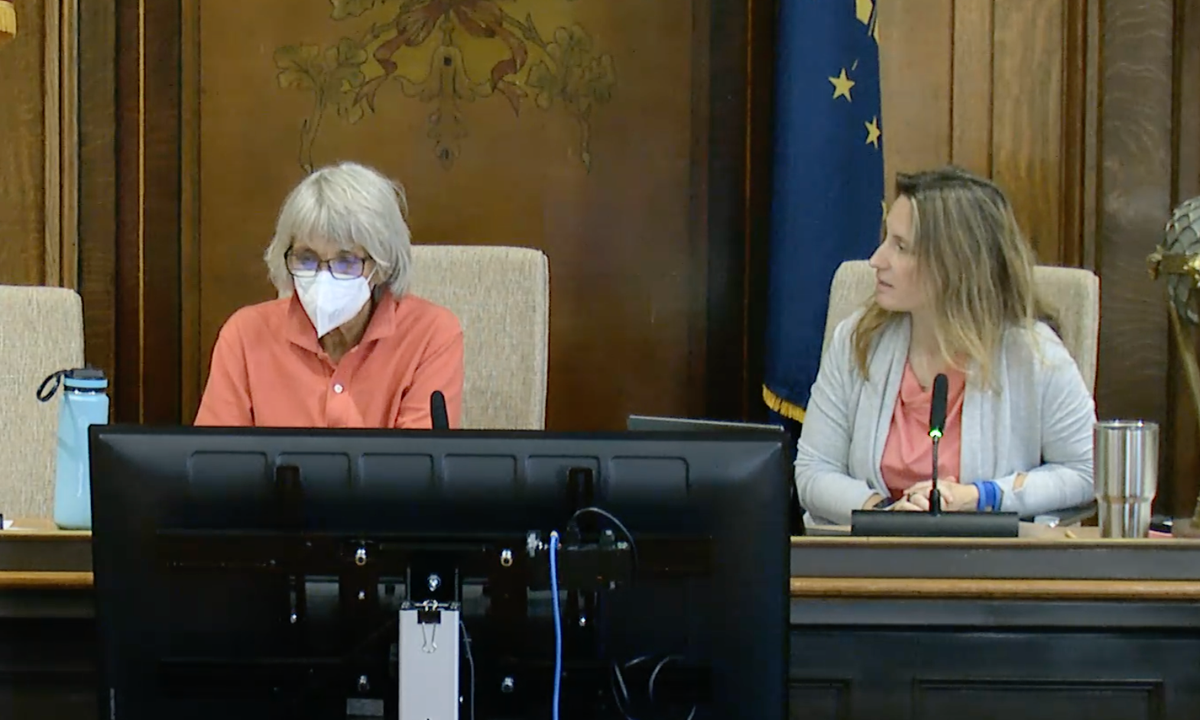
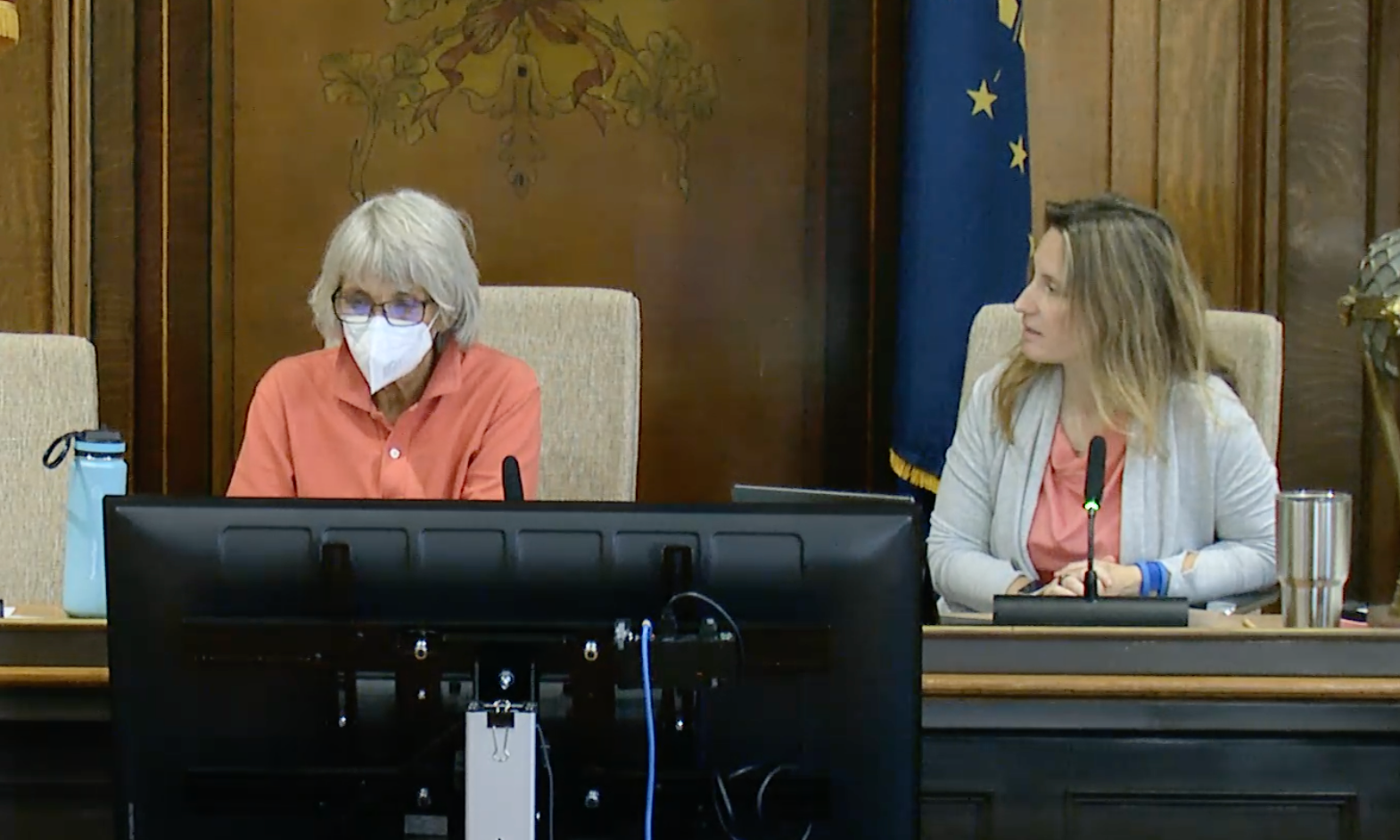
On Thursday morning (July 16), Monroe County commissioners ratified a resolution they had passed at their work session last week declaring a jail-overcrowding emergency. But that came only after striking the resolution’s specific population benchmark for functional capacity of the jail.
Also related to the jail, commissioners also approved an engagement letter that will put the same outside law firm to work to defend both the commissioners and the sheriff, in the new lawsuit over jail conditions that was filed last Friday (July 10).
The amendment of the resolution indicates county commissioners are supporting sheriff Ruben Marté’s emergency plan, without assuming direct responsibility for technical judgments about jail capacity.
The emergency resolution was first approved on July 9 in a work session, after Marté laid out a plan to prepare for moving 50 to 100 inmates to other county jails. His 16-page report concluded that while the downtown jail lists 294 beds, only 233 are available for general housing. His report concluded that a realistic “functional capacity” for safe operations is 80% of that, or 186 beds. Against that benchmark, the jail averaged 244 inmates from January through June, with a June average of 260 and a peak of 275. That’s about 90 people above the sheriff’s functional-capacity figure.
A competing figure for “functional capacity” came from the lawsuit filed by the ACLU last Friday (July 10).
According to the ACLU’s complaint, the jail opened in 1984 with an original capacity of 128. But it now contains about 287 permanent beds—253 beds in one- or two-person secure cells and 34 bunk beds in two dormitory blocks. Five segregation cells and two holding cells are not included in the total, because they are not permanent housing.
Applying an 80% operational threshold, which is intended to preserve space for separating prisoners by security classification, sex, medical condition and other needs, the lawsuit calculates the jail’s functional capacity at slightly more than 229. Between June 2 and July 3, the complaint says, the total population averaged just under 260.
Thursday’s vote brought the July 9 emergency resolution back for formal ratification, because the earlier action was taken during a work session and was not listed on the work session’s agenda. Instead of reciting any specific number, the second point in the resolution now reads “The board acknowledges the sheriff’s office’s determination that the current population of the Monroe County jail exceeds its functional capacity.”
Commissioner Julie Thomas said that the change was intended to make the resolution more general because commissioners are not the experts on bed counts or functional capacity. “We’re not the experts in determining functional capacity, bed counts, all of that. That’s not our business,” she said at Thursday’s meeting.
After the meeting Thomas told The B Square that commissioners now understand the resolution is not a legal prerequisite for Marté to seek support from the board of judges for his plan, even though they initially believed it was a required step. That discovery, Thomas said, gave them more freedom to keep the wording of the resolution more general, instead of tying the commissioner to a specific number that might later be disputed or revised. Thomas said the specific number should not have been included in the resolution.
During Thursday’s meeting, commissioner Jody Madeira described the wording as “largely a technical and rather general vote of confidence in our sheriff.” She added, “It’s scarcely controversial to say the jail is overcrowded.” Madeira also said, “So what we intend to say is that we know the jail is overcrowded. … And we know this is going on to others who will vet it more closely, like the board of judges and the [county] council.”
Thomas said after Thursday’s meeting that commissioners do not want the resolution to become a point of dispute over whose count is correct. Madeira added that removing the functional-capacity number also keeps the resolution from becoming outdated.
The July 9 emergency action by commissioners was prompted by Marté’s written report as well as a description during the work session from jail commander Kyle Gibbons, about temperatures reaching 85F° to 90F° degrees, which forced staff to prop open cell doors and deploy fans and ice. At last week’s work session, Thomas stressed that the emergency declaration was not merely about a heat wave, but about chronic overcrowding and the structural condition of the facility, and that the emergency would persist until a replacement jail is built.
The emergency declaration also follows the dismissal of a long-running federal lawsuit filed in 2008 over jail conditions. That dismissal that cleared the way for the new litigation filed last week over current conditions.
That new litigation was the subject of the second jail-related item the commissioners handled Thursday. They approved an engagement letter and conflict analysis from the law firm Clark Johnson & Knight. The same firm had been approved a week earlier to represent the commissioners in an ACLU lawsuit over jail conditions. The new letter adds the sheriff as a client, analyzes potential conflicts of interests and spells out the firm’s rates.
The letter says the interests of the Monroe County and sheriff in the jail-overcrowding lawsuit appear “generally aligned,” allowing the firm to represent both without a conflict of interest. The firm proposed discounted hourly rates of $225 for partners, senior associates and of-counsel attorneys and $195 for associates, with joint work split evenly between the commissioners and sheriff.
On the question of why outside counsel is being hired, county attorney Jeff Cockerill told commissioners that the legal department has the responsibility of representing the county as a whole. The county’s legal staff have concluded they cannot ethically represent all three key players named in the suit: the commissioners, the sheriff and the county council.
“We represent the entire county, and we have three different members of the county who have been named in this lawsuit,” Cockerill said. “We’re positive we couldn’t ethically represent each party to their satisfaction. He added: “We do not believe that this conflict is a waiveable one.”
The county council, which is the first named defendant in the new litigation, is not covered under the representation letter. That doesn’t mean the council plans to head into the lawsuit without outside legal representation. In late April, the council approved a $30,000 appropriation for its own legal representation.
Cockerill said the county has contacted its insurance carrier and expects a decision within a week or two on whether the insurer will pay for the outside legal representation. He told commissioners that the insurer had indicated Clark Johnson & Knight is the firm it would recommend and appoint, if coverage is provided.



Comments ()